Gray Hair Care: Softer, Brighter, Never Yellow
Gray hair care made simple: stop yellow tones, soften wiry strands and boost shine with a weekly routine and one smart shampoo trick. Start this week!
In this article
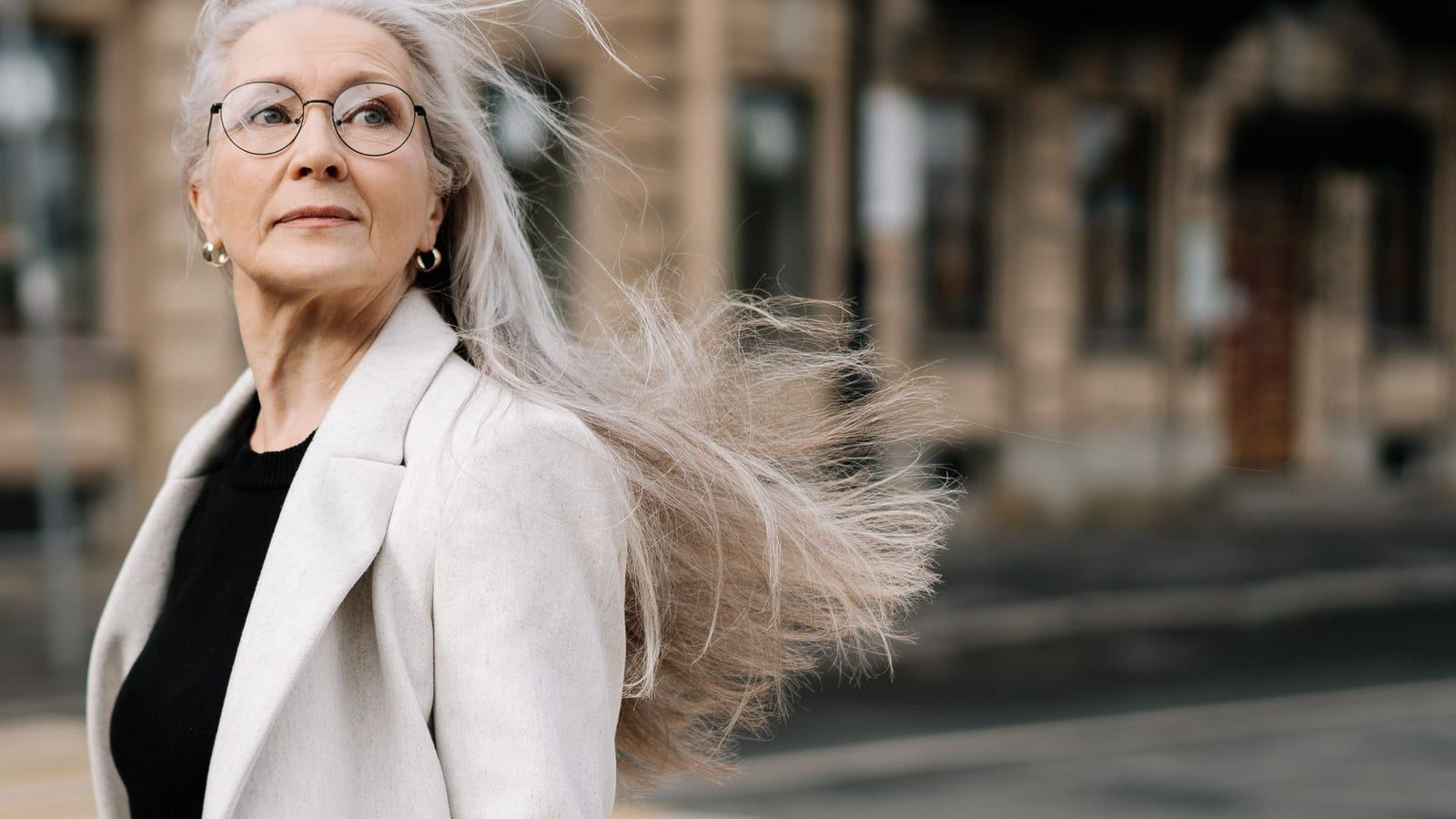
Gray hair can feel like a brand-new hair type: wiry, dry, harder to style and, by the end of summer, a little yellow. The good news is that gray hair care is simple once you know what changed. Below you’ll find a weekly routine, the shampoo trick that keeps silver bright, and the habits that make gray strands soft and shiny again.
Key takeaways
- Gray hair has little or no pigment, so it shows dryness, sun damage and yellow tones faster than pigmented hair.
- Use a violet or blue-violet shampoo about once a week to cancel brassy yellow. More is not better.
- Softness comes from moisture: conditioner every wash, a weekly mask and a few drops of oil on dry ends.
- Sun, heat and mineral-heavy water are the top three reasons gray turns yellow, and each has an easy fix.
- Regular trims and a blunt, polished cut make gray look bright and intentional.
Why Gray Hair Feels Different
Hair gets its color from melanin, a pigment made by cells at the base of each follicle. Over time those cells make less of it, and new strands grow in silver, white or somewhere in between. Genetics largely decide when that starts, and no shampoo can reverse it. What you can control is how the hair feels and looks.
Did you know?
“Gray” hair isn’t really gray. Strands without pigment are colorless and look white or silver. The gray you see is usually a mix of white and still-pigmented strands.
Many people notice three changes at once.
| What you notice | Why it happens | What helps |
|---|---|---|
| Wiry, coarse texture | Strands can feel rougher, and scalp oil tends to slow with age | Conditioner every wash, weekly mask, light oil |
| Yellow or brassy tint | No pigment to hide sun, smoke, heat and mineral residue | Violet shampoo, UV protection, clarifying |
| Dull, flat shine | Rough cuticle scatters light instead of reflecting it | Cool rinse, gloss treatment, regular trims |
Gray Hair Care: A Simple Weekly Routine
You don’t need ten products. You need a few steps done consistently, on a schedule you can actually keep.
| How often | Step | Why it matters |
|---|---|---|
| Every wash | Gentle shampoo on the scalp, conditioner on mid-lengths and ends | Cleans without stripping, then adds slip and softness |
| 2 to 3 times a week | Wash day (daily only if your scalp is very oily) | Dry, coarse hair does better with fewer washes |
| Once a week | Violet shampoo in place of regular shampoo | Cancels yellow before it builds up |
| Once a week | Conditioning mask for 5 to 10 minutes | Rebuilds softness and manageability |
| Every styling day | Heat protectant, then a few drops of oil on dry ends | Reduces heat yellowing and frizz |
| Every 8 to 12 weeks | Trim | Removes split, dull ends |
| Once a month | Clarifying shampoo | Clears buildup and mineral residue |
New to adjusting your wash day? Our guide to how to wash hair correctly covers water temperature, lathering and conditioner placement step by step.
How to Stop Gray Hair From Turning Yellow
Yellow is rarely one problem. It’s usually a few small ones stacking up, and each has its own fix.
| Cause | What it does | The fix |
|---|---|---|
| Sun | UV light dulls and yellows unpigmented strands | Wear a hat, or use a UV-protective hair spray |
| Heat styling | Hot tools can scorch pale hair to a yellow cast | Heat protectant, lower heat, fewer passes |
| Hard water | Minerals leave a film that dulls color | Shower filter and a monthly clarifying shampoo |
| Smoke and pollution | Residue clings to the hair | Rinse or shampoo after heavy exposure |
| Product buildup | Silicone and oil layers turn dingy | Clarify monthly, use less product |
Not sure about your water? Your utility’s yearly water quality report often lists hardness, and the USGS explains how water hardness is measured.
Did you know?
Melanin absorbs UV light, so it works like a built-in shield for the hair shaft. Strands without it are more exposed, which is why gray and white hair can dry out and yellow faster in strong sun.
How to Use Violet Shampoo
Violet shampoo is the quickest fix for a brassy cast, and the technique matters more than the brand. For timing by shade and what to do if it goes too lilac, see our purple shampoo guide.
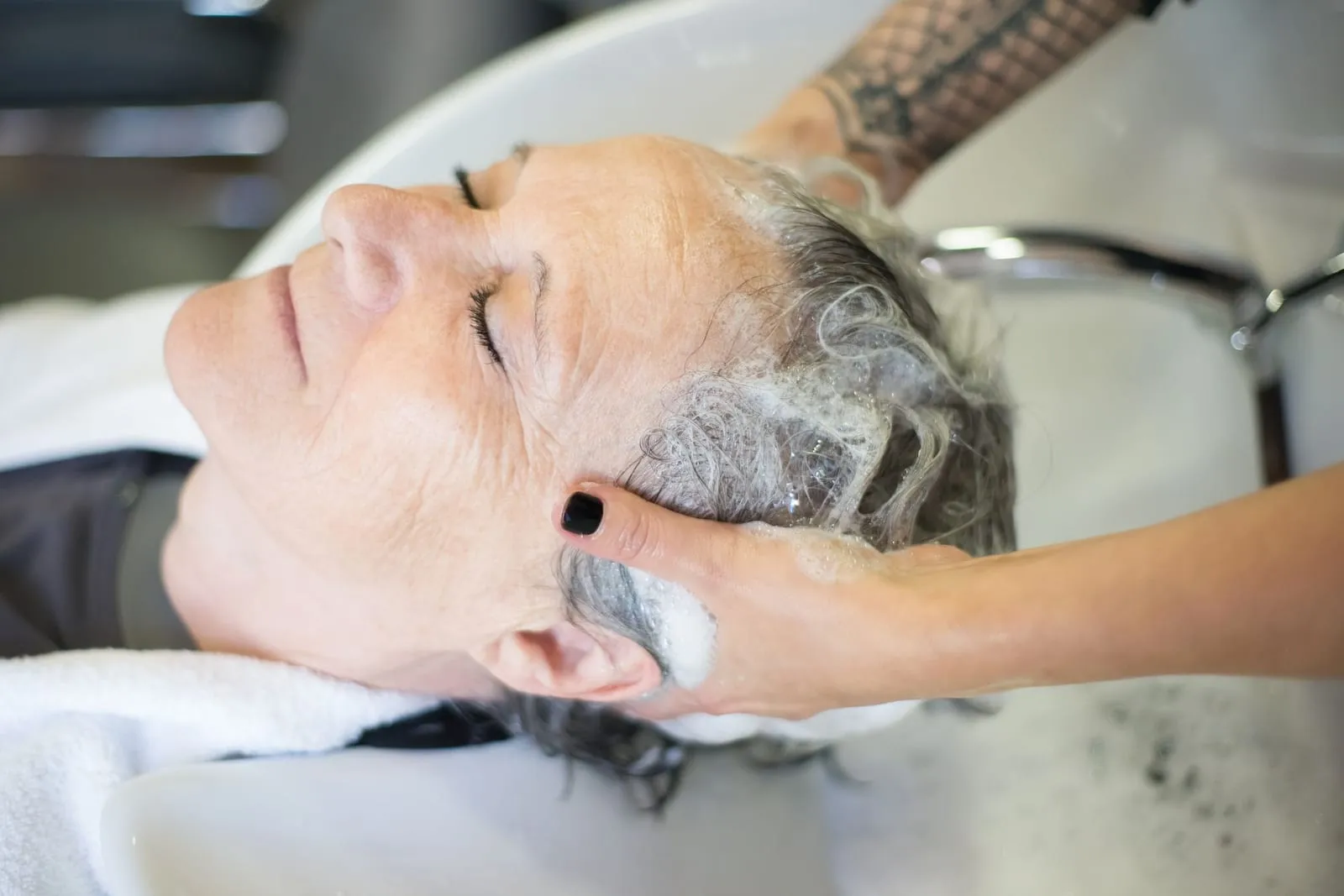
- Wet your hair thoroughly. Soaking-wet hair helps the pigment spread evenly.
- Use a quarter-size amount of violet shampoo. Lather it in your palms first, then work it through damp hair from roots to ends.
- Leave it on for 1 minute the first time. Gray and white hair can grab pigment quickly, so build up to 3 minutes only if you need to.
- Rinse until the water runs clear, then condition as usual.
Why it works
Violet and blue-violet pigments sit opposite yellow on the color wheel, so a small deposit cancels brassy tones instead of adding color.
Want a gentler version?
Dilute it for a softer tone
Mix a quarter-size dollop of violet shampoo into your regular shampoo, or stir it into a palmful of conditioner and leave it on for 5 minutes. You get a gentler, more even tone, and it’s much harder to overdo.
Soften Wiry Gray Hair With Moisture and Shine
Softness is mostly a moisture game. Think in layers: conditioner every wash, a mask once a week, and a light oil or serum on dry hair to seal it all in.
Matching the fix to the feeling saves guesswork.
| If your gray hair feels… | Try this |
|---|---|
| Wiry and rough | A richer conditioner or mask, left on 10 minutes |
| Frizzy | A leave-in and a few drops of oil on damp ends |
| Limp and flat | A lightweight conditioner on ends only, and less oil |
| Dull but healthy | A gloss treatment and a cool rinse |
| Coated or heavy | A clarifying shampoo, then fewer products |
Choose products by porosity
Porosity is how easily your hair absorbs and holds moisture, and it decides whether light or rich products work best. The 1-minute hair porosity quiz tells you which way to go.
A kitchen mask is an easy place to start, and our DIY hair masks include a few gentle recipes. For oils, pick by hair texture with our guide to the best hair oils for every hair type.
Finish with a cool rinse
After conditioning, rinse with cool water for 10 to 15 seconds. It helps the outer cuticle lie flatter, so the hair reflects more light and looks shinier.
Friction counts too. Cotton pillowcases add friction overnight, and a satin or silk one is gentler on dry strands. See how they compare in our silk vs cotton pillowcase guide.
Cut, Heat and Styling Tips for Gray Hair
Gray hair rewards a sharp shape. Split, frayed ends look more noticeable against silver, so trim on a regular schedule, and our hair trim schedule shows how often your hair type needs it. A blunt cut, a soft long bob or face-framing layers all keep gray looking polished.
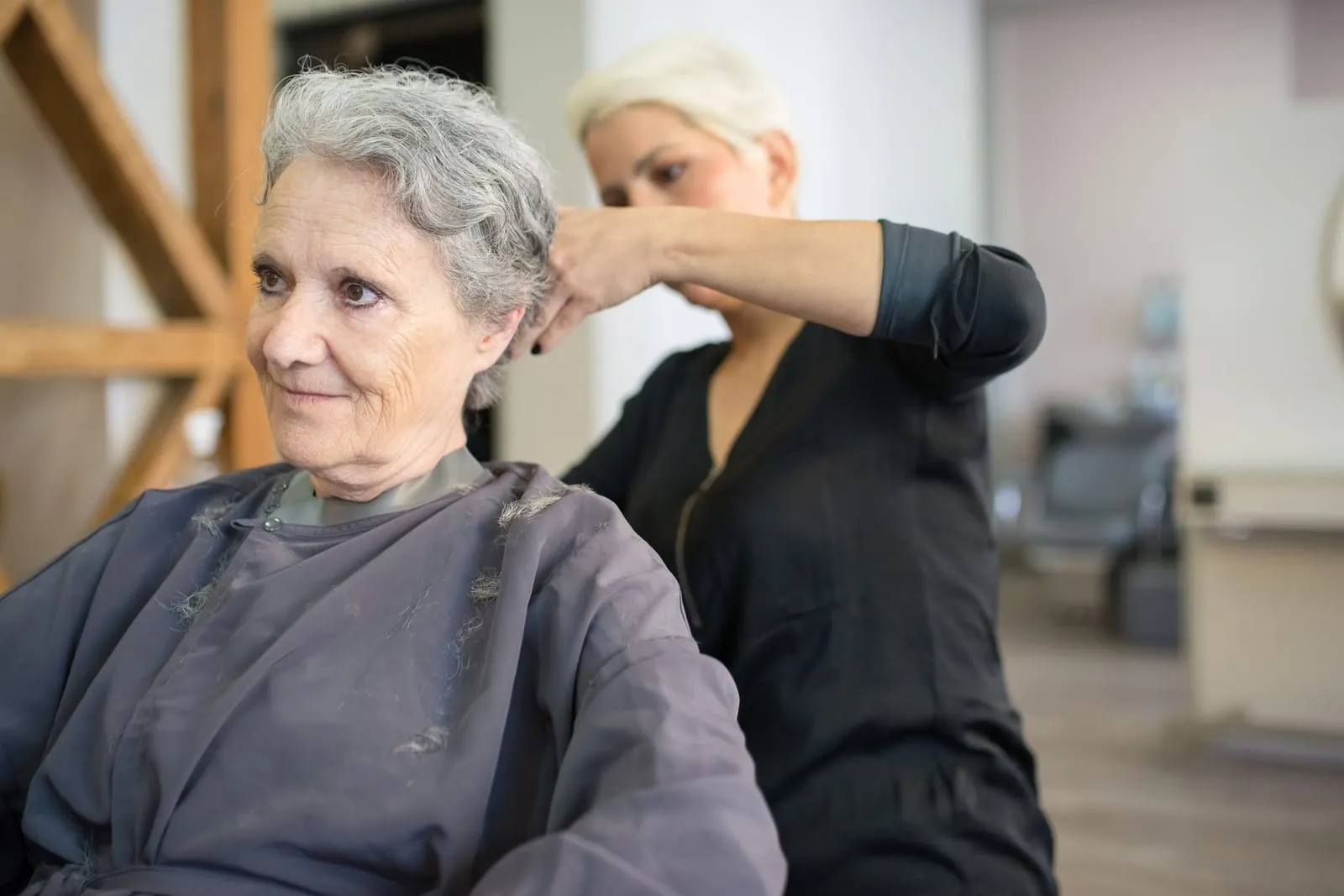
Go easy on heat. Pale hair can take on a yellow cast if the tool is too hot, so use heat protectant and the lowest setting that works. Our heat protectant guide explains what to look for on the label. And if your gray is naturally curly, the advice here still applies; start with the curly hair mistakes checklist.
Myths About Gray Hair
| Myth | Fact |
|---|---|
| Plucking one gray hair makes two grow back | Each follicle grows a single hair, so plucking doesn’t multiply them |
| Purple shampoo is only for blondes | It works on gray, white and silver hair too |
| Hair can turn gray overnight | Color is set as the hair grows, so strands that have already grown out can’t change overnight |
| A shampoo or mask can restore your original color | No product restores pigment; products only change how the hair looks |
| Yellow gray hair is dirty | It’s usually caused by sun, heat, minerals or buildup |
Troubleshooting: If Your Gray Hair Isn’t Cooperating
It Looks Lavender, Gray or Dull
You’ve deposited too much pigment. Wash with a clarifying shampoo, skip violet shampoo for a couple of weeks, then return with a diluted mix or a shorter time.
It’s Still Yellow
Look at the cause before adding more product. If the water is hard, add a shower filter. If you use hot tools, turn the heat down. If the hair is dry and frayed at the ends, trim it, since porous, damaged hair picks up residue more easily.
It Feels Wiry or Frizzy
Add one moisture step, not five. Try a weekly mask first, then a few drops of oil on dry ends. Our frizzy hair fixes list more ideas.
Your Scalp Is Itchy or Flaky
A drier scalp is common with age, so gentle care helps. Our scalp care guide walks through the basics. If you notice sudden thinning, patchy hair loss or a scalp that stays irritated, see a dermatologist or check the American Academy of Dermatology for hair care guidance.
Your Next Step
This week, swap one regular wash for a violet shampoo wash, and set aside 10 minutes this weekend for a conditioning mask. Pick up a hat or UV spray if you spend a lot of time in the sun. Then fine-tune your oils with our guide to the best hair oils for every hair type.
Frequently Asked Questions
Why does gray hair turn yellow?
How often should I use purple shampoo on gray hair?
Why is my gray hair so dry and wiry?
Can I stop my hair from going gray?
You might also like
More in Hair Care →
How to Use Purple Shampoo (Without Turning Your Hair Lilac)
Learn how to use purple shampoo to cancel brassy yellow tones, with a chart for how often and how long by hair shade. Skip the lilac tint. Read on!

How to Make Hair Color Last Longer: 12 Fade-Proof Habits
Want to make hair color last between salon visits? These 12 fade-proof habits cover washing, water temperature, heat and sun. Start with habit one!

Gel vs Mousse vs Cream: Which Curl Product Should You Use?
Gel vs mousse vs cream: find the curl product that suits your pattern, from 2A waves to 4C coils, with a side-by-side chart and how to apply each. Pick yours!