Best Hair Oils for Every Hair Type (and How to Use Them)
Find the best hair oils for your hair type, from fine and oily to thick and coily. Compare 7 oils, learn how much to use and avoid greasy hair. Start here!
In this article
You bought a bottle of oil to get shiny, smooth hair, and instead you got greasy roots or hair that still feels dry. The problem is rarely the oil itself. It is the match between the oil, your hair type and how much you use. This guide pairs seven popular hair oils with fine, thick, curly, dry and oily hair, then shows how much to apply and when.
Key takeaways
- Oil seals moisture in. It does not add water, so apply it to damp hair or after your leave-in.
- Fine or oily hair does best with light oils: jojoba, grapeseed or argan. Thick or coily hair can handle heavier oils: olive, castor or coconut.
- Use a drop or two, not a palmful. You can always add more.
- Keep oil off oily roots, and always patch test a new oil on your inner arm first.
- Oil does not make hair grow faster. Its job is shine, softness and less breakage.
What Hair Oils Actually Do
Healthy hair is coated by a thin layer of natural oil called sebum, but it travels poorly down long, curly or textured strands. Ends end up the driest part of the head. A plant oil acts like a flexible seal over the surface, which smooths the cuticle, cuts down on friction and reduces frizz.
Did you know?
Coconut oil is one of the few oils studied for its ability to enter the hair shaft. A well-known 2003 lab study published in the Journal of Cosmetic Science found that coconut oil reduced protein loss in hair when used before washing, while the mineral oil it was compared against did not.
That does not mean heavy oils are best for everyone. Weight is the main trade-off. If your hair is fine and an oil sits on top, it will look flat and greasy by lunchtime.
Matching Hair Oils to Your Hair Type
Use this table as a starting point, then adjust to how your hair responds.
| Oil | Weight | Best for | Skip if |
|---|---|---|---|
| Argan oil | Light to medium | Frizz, shine, most hair types | You are allergic to tree nuts |
| Jojoba oil | Light | Fine, oily or sensitive scalps | You want a heavy seal |
| Grapeseed oil | Very light | Fine or oily hair | You need heavy moisture |
| Sweet almond oil | Medium | Normal to dry hair | You have a nut allergy |
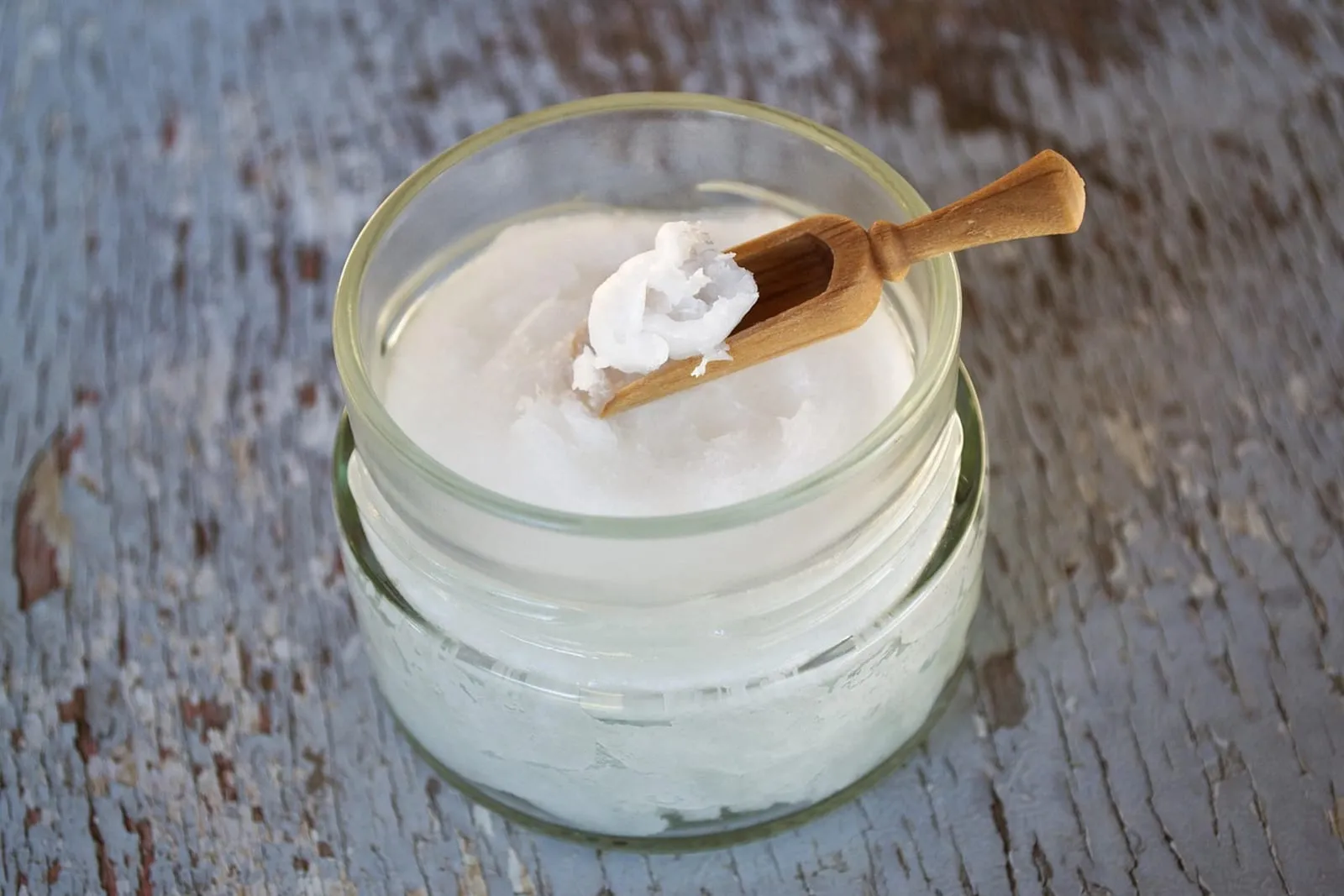
| Coconut oil | Medium to heavy | Thick or coarse hair, pre-wash treatment | Your hair is fine or low porosity |
| Olive oil | Heavy | Thick, dry or coily hair | Your hair is fine |
| Castor oil | Very heavy | Thick, coily ends and edges | Your hair is fine or you dislike thick texture |
Not sure what your hair needs? The 1-minute hair porosity quiz tells you whether your hair drinks up moisture or repels it, which helps you choose a weight.
A quick note on jojoba
Jojoba is technically a liquid wax ester, not a true oil, and its structure is close to the sebum your scalp makes. That is why many people find it lightweight and easy to tolerate.
Best Hair Oils by Hair Type
Fine or Straight Hair
Choose jojoba, grapeseed or a few drops of argan. Warm a single drop between your palms and glide it over the last two inches of your hair. Skip the roots, or you will lose volume.
Thick or Coarse Hair
Thick hair can handle more weight. Argan, almond or olive oil works well on the lengths, and a small amount of castor oil on the ends adds a stronger seal.
Curly or Coily Hair
Oil is great for sealing after a water-based leave-in, a method often called “LOC” (liquid, oil, cream). If you are building a routine, our curly girl method for beginners and the weekly curly hair routine show where each step goes.
Wavy Hair
Wavy hair gets weighed down easily. Use a lighter oil such as argan or grapeseed, a drop at a time, in the middle of a style routine. Our wavy hair routine covers the order of steps.
Oily Scalp With Dry Ends
Keep oil only on the ends. If your scalp is oily, a lightweight formula like jojoba is the safest choice on the lengths, and anything heavy should be skipped from the roots.
How to Use Hair Oil: 4 Ways
- As a pre-wash treatment. Apply oil to dry lengths 30 minutes before shampooing, then wash out. Thick or coarse hair benefits most.
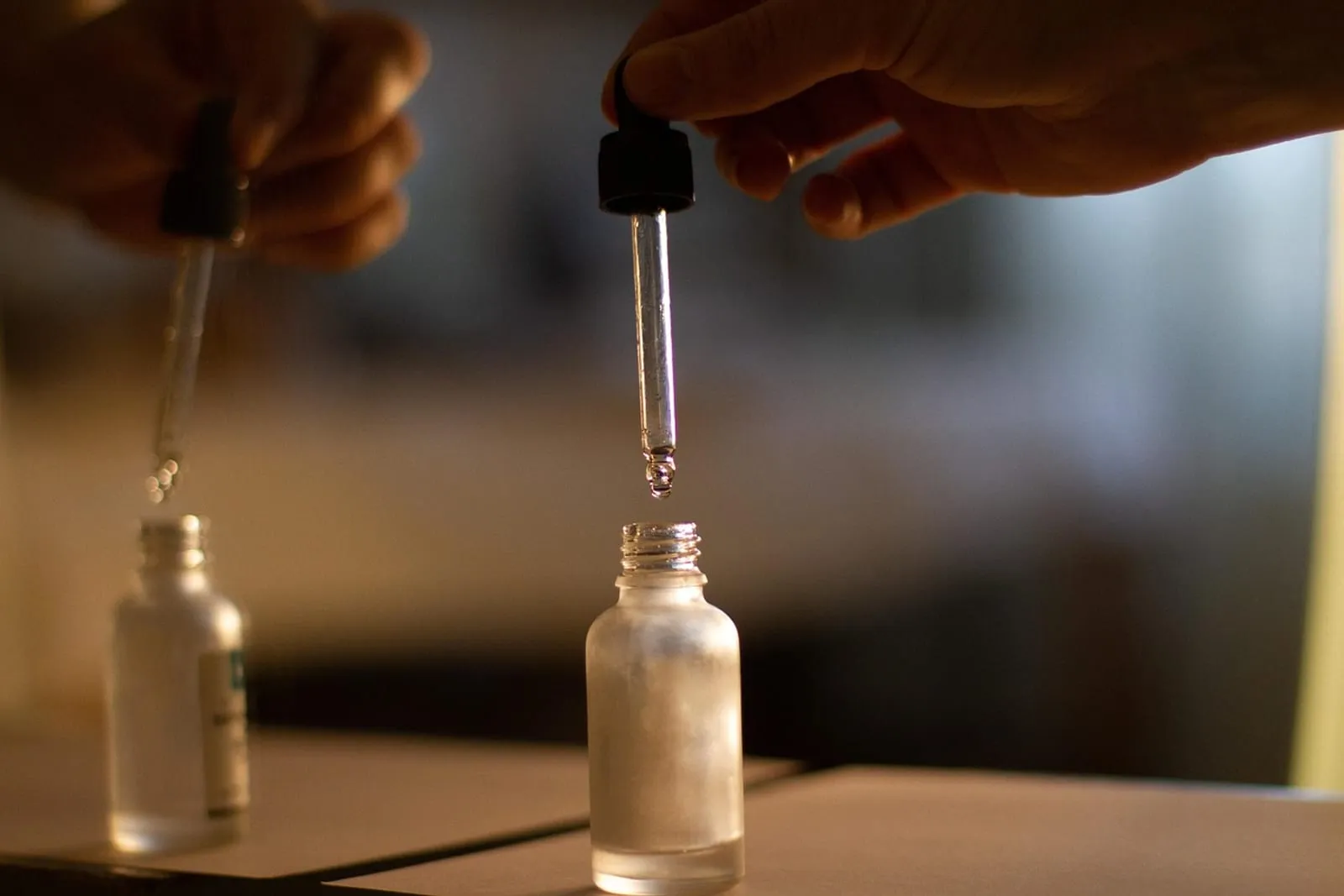
- As a sealant on damp hair. After your leave-in, smooth 1 to 3 drops over the lengths to hold moisture in.
- As a finisher. Put one drop between your palms and smooth over dry hair to tame flyaways and add shine.
- As a scalp treatment. Warm a teaspoon, massage it in for a few minutes and leave it for 30 minutes before washing. Skip this if your scalp is oily or flaky.
How Much to Use
| Hair length | Fine hair | Thick or coily hair |
|---|---|---|
| Chin-length | 1 drop | 2 to 3 drops |
| Shoulder-length | 2 drops | 4 to 5 drops |
| Past the shoulder | 3 drops | 5 to 8 drops |
Warm it first
Rub the oil between your palms before touching your hair. Warm oil spreads thinly and evenly, which prevents the sticky streaks that make hair look dirty.
Use the “prayer hands” method
Instead of rubbing oil into one spot, press your palms together around a section, then slide them down the length. It distributes oil evenly without disturbing curl clumps.
Mistakes That Make Hair Greasy
- Using too much. More oil does not mean more shine. Start with one drop.
- Applying to the roots. Unless you are treating the scalp on purpose, keep oil off the first inch or two.
- Applying to dry, dirty hair. Product buildup plus oil makes hair look heavy.
- Using a heavy oil on fine hair. Match the weight, not the trend.
If hair feels coated and dull, a gentle clarifying wash can reset it. Our curly hair mistakes guide covers more habits that quietly weigh hair down.
Troubleshooting: If Oil Isn’t Working
Your Hair Looks Greasy
You used too much or applied it too close to your roots. Wash with a clarifying shampoo, then try half the amount next time.
Your Hair Still Feels Dry
Oil seals moisture in but does not add it. Apply to damp hair after a leave-in or conditioner, and consider a deep conditioning day. Our deep conditioning guide shows how.
Your Scalp Itches or Breaks Out
Stop using oil on your scalp and keep it to the lengths. Persistent itching, flaking or sudden hair loss calls for a visit to a dermatologist, so see the American Academy of Dermatology for guidance.
The Oil Smells Strange
Natural oils can go rancid over time. Store them in a cool, dark place and toss any bottle that smells sharp, like old crayons.
Your Next Step
Pick one oil from the table above, buy the smallest bottle and try it as a single-drop finisher for a week. Not sure your routine has the basics right? Read our DIY hair masks from your kitchen next for a gentle way to add moisture before you seal it in.
Frequently Asked Questions
Should I put oil on wet or dry hair?
Which hair oil is best for fine hair?
Can hair oil make hair grow faster?
How often should I oil my hair?
You might also like
More in Hair Care →
Scalp Care 101: Fix an Itchy, Oily or Flaky Scalp
Scalp care made simple: learn what causes an itchy, oily or flaky scalp, what to wash with, and when to see a dermatologist. Calm your scalp today!

Silk Pillowcase Hair Benefits: Silk vs Cotton Compared
Silk pillowcase hair benefits, compared with cotton: friction, frizz, moisture, price and care. See which suits your hair type and try cheap hacks first.

Apple Cider Vinegar Hair Rinse: Does It Work?
Does an apple cider vinegar hair rinse really make hair shinier? See the science, the safe ratio, how often to rinse and who should skip it. Try it once!