Scalp Care 101: Fix an Itchy, Oily or Flaky Scalp
Scalp care made simple: learn what causes an itchy, oily or flaky scalp, what to wash with, and when to see a dermatologist. Calm your scalp today!
In this article
An itchy scalp in the middle of a meeting. Roots that go greasy by lunch. White flakes on your dark sweater. Different symptoms, but they all start in the same place, and the fix is usually simpler than another new shampoo. This scalp care guide helps you work out what your scalp is telling you and gives you a gentle routine to try.
Key takeaways
- Oily, itchy and flaky scalps have different causes, so they need different fixes.
- Rinse thoroughly: leftover shampoo, conditioner and styling product is a common reason for itch and flakes.
- Use fingertips, never nails, and treat your scalp like the skin on your face.
- Give a new routine 3 to 4 weeks before you judge it, and change one thing at a time.
- See a dermatologist for sores, patches, burning, sudden hair loss or a rash that won’t settle.
Scalp Care Basics: Why Your Scalp Matters
Your scalp is skin, and it has plenty of oil glands. Each hair follicle has a gland attached that releases sebum, the oil that coats hair and helps protect the skin. That is a good thing until the oil builds up, mixes with sweat and product, and starts to itch or smell.
Did you know?
Dandruff is linked to a yeast-like fungus called Malassezia, which lives on most adults’ scalps. For some people it triggers irritation and flaking. That is why many dandruff shampoos contain an anti-fungal ingredient.
Healthy hair starts at the root, so a calm scalp is a good first step before you spend money on lengths-only products. Our guide on how to wash your hair correctly covers the full wash routine. This article focuses on the skin underneath.
What Is Your Scalp Telling You? A Symptom Chart
Start with the main symptom and find the most likely cause. These are common patterns, not a diagnosis.
| What you notice | Common causes | What to try first |
|---|---|---|
| Greasy roots within a day | Naturally oily skin, heavy conditioner near roots, infrequent washing | Wash more often, keep conditioner below the ears |
| Tight, itchy skin with small white flakes | Dry scalp, hot water, harsh cleansing | Lukewarm water, a gentle shampoo, less frequent washing |
| Larger, greasy or yellowish flakes, redness | Dandruff | Dandruff shampoo with an active ingredient |
| Itch plus a coated feeling | Product buildup | Rinse longer, use a clarifying shampoo every 2 to 4 weeks |
| Burning, stinging or itching right after a new product | Sensitivity | Stop the product, rinse well |
| Thick, scaly, painful or spreading patches | Could be a skin condition | See a dermatologist |
The Itchy Scalp Fix
Itching usually comes from dryness, buildup or a reaction to a product. Work through these in order.
- Rinse longer. Spend a full minute rinsing after shampoo and again after conditioner.
- Lower the water temperature. Hot water can leave skin feeling dry and irritated.
- Check the label. Fragrance, dyes and strong styling products can bother a sensitive scalp.
- Wash after sweating. Salt and oil from a workout can irritate the skin.
Don’t scratch with your nails
Scratching can damage the skin and cause small cuts, and cuts can become sore or infected. Press with your fingertips or tap the spot instead, and talk to a dermatologist if the itch persists.
The Oily Scalp Fix
An oily scalp is mostly about frequency and technique. Shampoo is meant to remove excess oil, so if your roots feel greasy, you may simply need to wash a little more often.
- Shampoo the scalp twice if it’s very oily, the first round to break up oil, the second to clean.
- Keep conditioner on the lengths. Product on the roots weighs hair down.
- Skip heavy oils and butters near the scalp.
- Touch your hair less, because oil from your hands transfers.
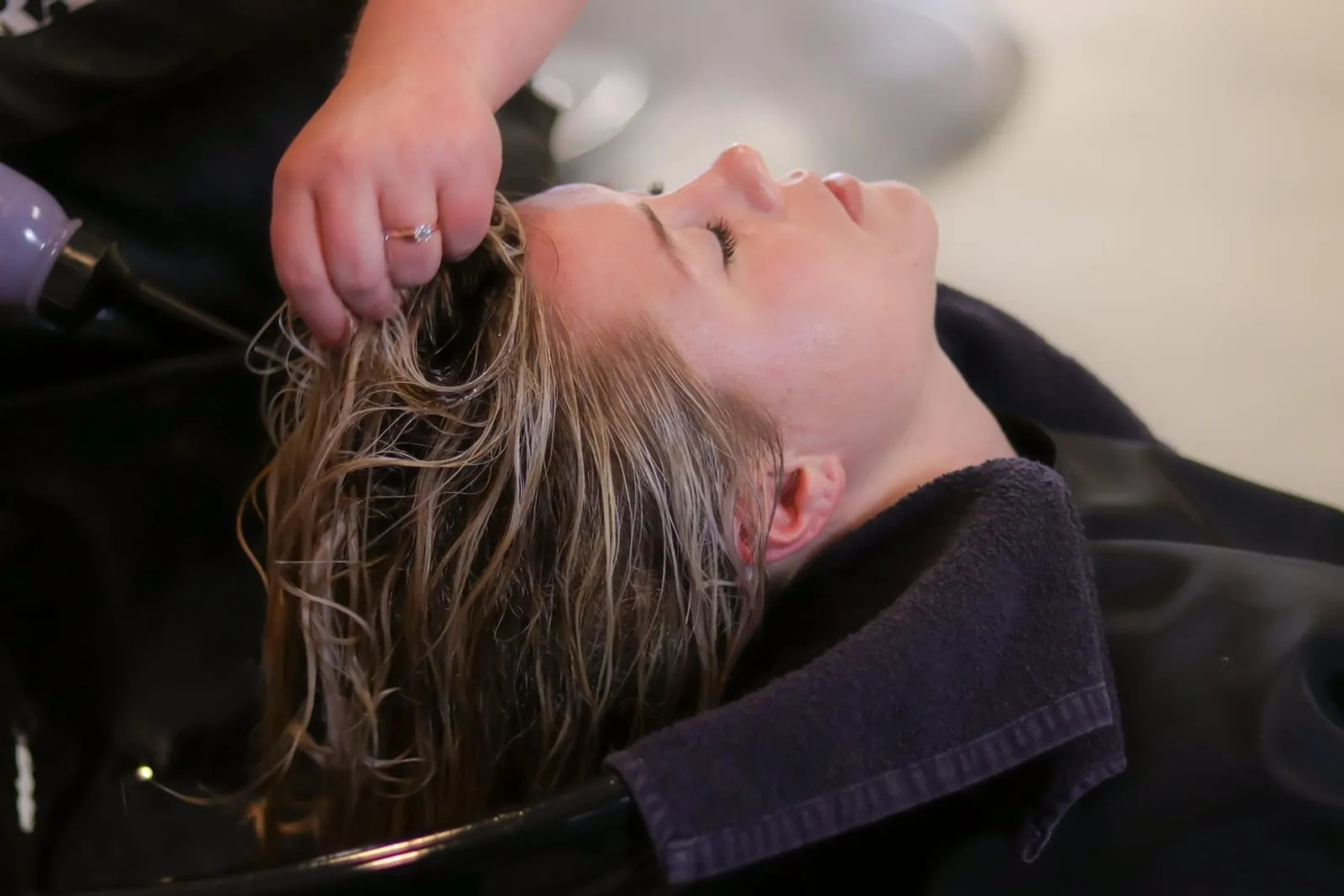
Many people worry about over-washing. If your hair gets oily by evening, washing daily with a gentle shampoo is a reasonable choice, as long as your scalp doesn’t feel tight or irritated afterward.
Rinse with a cooler splash
Finish your wash with a short rinse of cooler water. Very hot water can leave the scalp feeling dry and irritated, so a lukewarm-to-cool finish is gentler on the skin.
Reset your brush
Old oil, dust and product collect on brushes and combs and get redistributed to clean hair. Soak them in warm water with a few drops of shampoo for 10 minutes, rinse and air-dry every week or two.
The Flaky Scalp Fix
First figure out whether it is dry scalp or dandruff, because treatments differ.
- Dry scalp flakes are small and white, and the skin often feels tight. Use a gentle shampoo, lukewarm water and a lightweight scalp moisturizer.
- Dandruff flakes tend to be larger and oily, often with redness. Use a dandruff shampoo that contains an active such as zinc pyrithione, ketoconazole or selenium sulfide.
Dandruff shampoo works best if you follow the label: massage it into the scalp, leave it for the time listed (often several minutes) and rinse well. Many people use it a couple of times a week and then less often once flaking improves. The American Academy of Dermatology has an overview at aad.org if you want to read more about dandruff.
Rotate if it stops working
If a dandruff shampoo works for a while and then seems to stall, alternate it with a second shampoo with a different active ingredient.
A Simple Weekly Scalp Care Routine
You don’t need ten products. This routine works for most people with a normal-to-oily scalp, and you can tweak it for dryness.
| When | What to do |
|---|---|
| Every wash | Shampoo the scalp with fingertips, rinse for a full minute |
| Once a week | Scalp massage with shampoo for 2 to 3 minutes |
| Every 2 to 4 weeks | Clarifying shampoo to remove buildup |
| Every week or two | Clean brushes and combs |
| Weekly | Change pillowcase, or use a clean one |
Pillowcases collect oil, so a fresh one helps. We compare materials in silk vs cotton pillowcase for hair.
How to Do a Scalp Massage
A scalp massage is one of the easiest habits to add. It feels good, helps loosen buildup and gives you a chance to spot changes in your scalp.
- Apply shampoo to wet hair as usual.
- Use the pads of all ten fingers, not your nails.
- Start at the hairline and make slow circles, moving toward the crown.
- Work down the sides and over the back of the head.
- Keep it up for 2 to 3 minutes, then rinse well.
Keep the pressure light. If your scalp is sunburned, sore or broken out, skip it that day.
Did you know?
Losing 50 to 100 hairs a day is normal, according to the American Academy of Dermatology. Don’t panic when you see strands in the brush or the shower drain during a massage.
Troubleshooting: If Your Scalp Isn’t Improving
Nothing Changes After 4 Weeks
Switch one variable at a time, such as the shampoo, the water temperature or the rinse time. Changing everything at once makes it hard to tell what worked.
The Itch Gets Worse After a New Product
Stop using it and rinse your hair well. Patch-test new products behind your ear before using them on your whole scalp.
You See Redness, Sores or Thick Scales
Book an appointment with a dermatologist. Conditions such as psoriasis, seborrheic dermatitis and eczema can look similar to dandruff but need a different treatment.
Your Hair Is Falling Out More Than Usual
A sudden increase, bald patches or a widening part are worth getting checked.
You Have Curly Hair and a Dry Scalp
Wash less often but never skip the scalp. Our curly hair mistakes guide covers the habits that dry out curls and scalp together.
Your Next Step
Pick the one symptom that bothers you most and follow its fix for the next four weeks. Rinse for a full minute every time, keep notes of what changes, and see a dermatologist if there is no improvement. For the full wash routine, head to how to wash your hair correctly.
Frequently Asked Questions
What causes an itchy scalp?
Is dandruff the same as a dry scalp?
How often should I exfoliate my scalp?
Can a scalp massage help my hair grow?
You might also like
More in Hair Care →
Best Hair Oils for Every Hair Type (and How to Use Them)
Find the best hair oils for your hair type, from fine and oily to thick and coily. Compare 7 oils, learn how much to use and avoid greasy hair. Start here!

Silk Pillowcase Hair Benefits: Silk vs Cotton Compared
Silk pillowcase hair benefits, compared with cotton: friction, frizz, moisture, price and care. See which suits your hair type and try cheap hacks first.

Apple Cider Vinegar Hair Rinse: Does It Work?
Does an apple cider vinegar hair rinse really make hair shinier? See the science, the safe ratio, how often to rinse and who should skip it. Try it once!