DIY Hair Masks From Your Kitchen: 6 Easy Recipes
Make a DIY hair mask from your kitchen with 6 easy recipes for dry, frizzy, oily or dull hair. Get amounts, timing and a patch-test tip. Mix one tonight!
In this article
Your hair is dry, the salon-style masks cost more than your lunch, and you have a kitchen full of food. A DIY hair mask can soften and smooth hair using things like honey, avocado, oats and yogurt. Below are six easy recipes with real amounts, who each one suits, and how to rinse them out without lumps.
Key takeaways
- Pick a mask for your goal: moisture (avocado, honey), shine (banana, honey), light conditioning (yogurt, oats) or a light, non-greasy feel (oats, plain yogurt).
- Blend everything until smooth. Lumps are the number-one rinse-out problem.
- Leave a mask on for 15 to 30 minutes and rinse with lukewarm water, never hot.
- Patch test any new ingredient on your inner arm, especially honey, eggs, nuts and oils.
- Masks make hair feel softer; they do not repair damage or speed up growth.
What a Kitchen Hair Mask Can (and Can’t) Do
A mask works on the surface of the hair strand. Fats like avocado and olive oil coat and soften it, sugars like honey draw in moisture, and proteins like yogurt and egg can leave strands feeling stronger for a while.
Did you know?
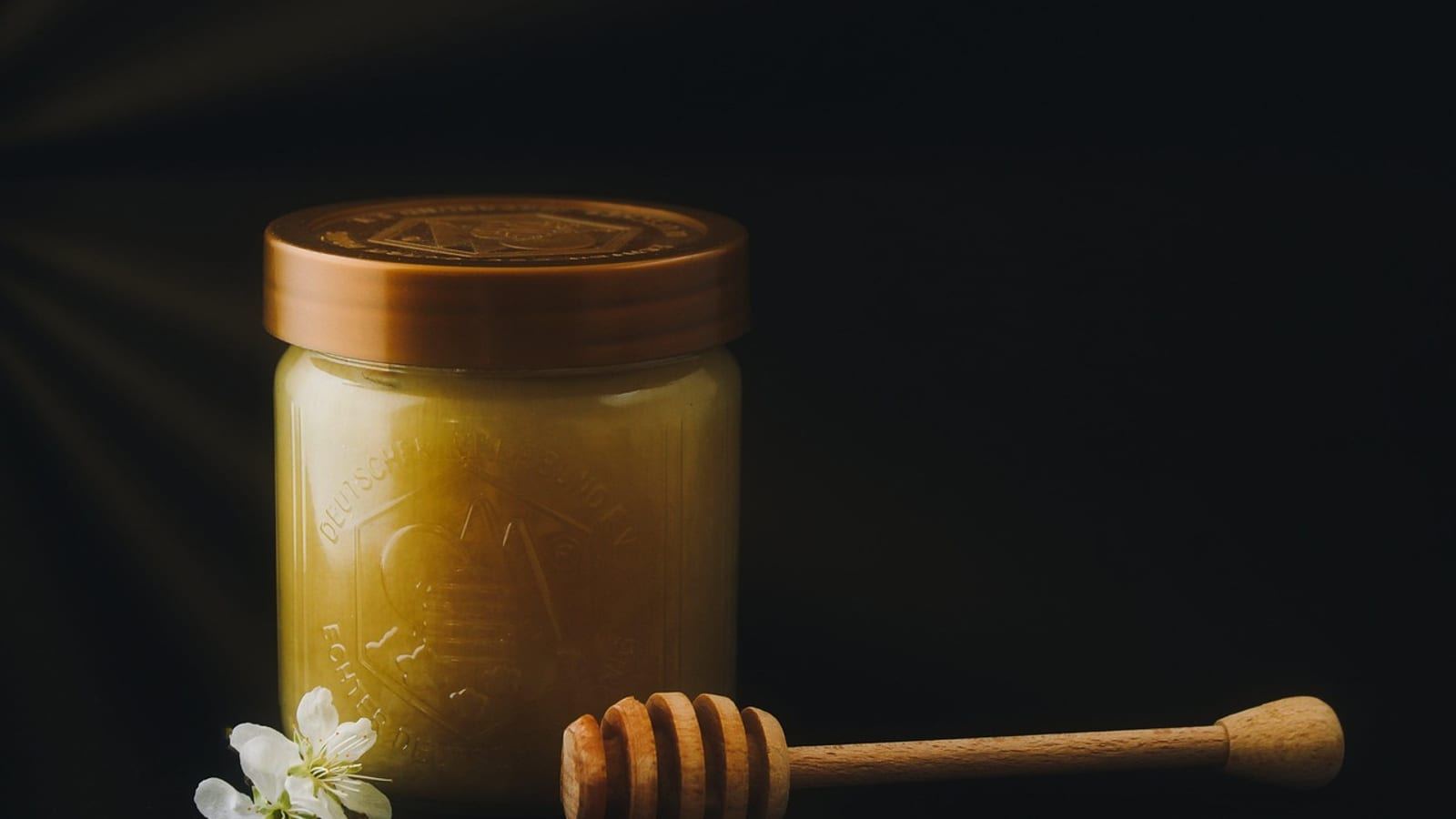
Honey is a humectant, which means it attracts and holds on to water. That is why it shows up in many store-bought moisturizers and conditioners.
What a mask cannot do is rebuild damage. Each strand of hair is dead keratin above the scalp, so the goal is better feel and shine, not repair. See the American Academy of Dermatology if you are worried about hair loss or scalp problems.
Which DIY Hair Mask Is Right for You?
| Your hair | Try this mask | Why it helps |
|---|---|---|
| Very dry or coarse | Avocado and olive oil | Rich fats coat and soften |
| Frizzy | Banana and honey | Moisture plus a smooth finish |
| Dull | Honey and yogurt | Gentle conditioning, extra shine |
| Fine or oily | Plain yogurt and oats | Light, non-greasy feel |
| Curly | Coconut oil and honey | Moisture that clumps curls |
| Dry scalp feel | Oat and water paste | Soothing and easy to rinse |
If you are not sure how thirsty your hair is, take the 1-minute hair porosity quiz first.
6 Easy DIY Hair Mask Recipes
Each recipe covers shoulder-length hair. Use half for chin-length hair and double it for long hair.
1. Avocado and Olive Oil (for Dry Hair)
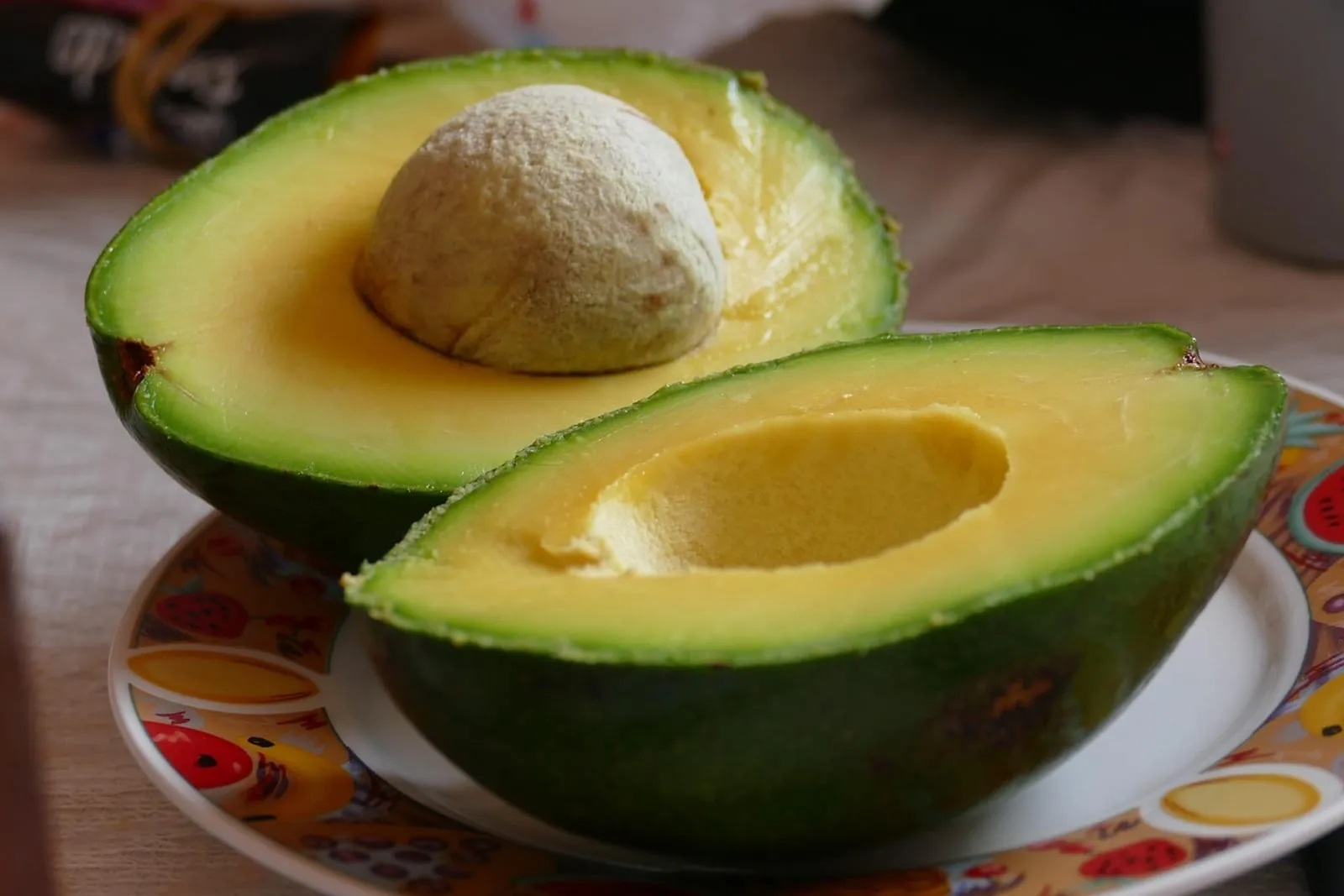
Mash half a ripe avocado until completely smooth, then stir in 1 tablespoon of olive oil. Work it through damp lengths and ends, cover and leave 20 minutes. This is the richest mask on the list, so skip it if your hair is fine.
2. Banana and Honey (for Frizz)
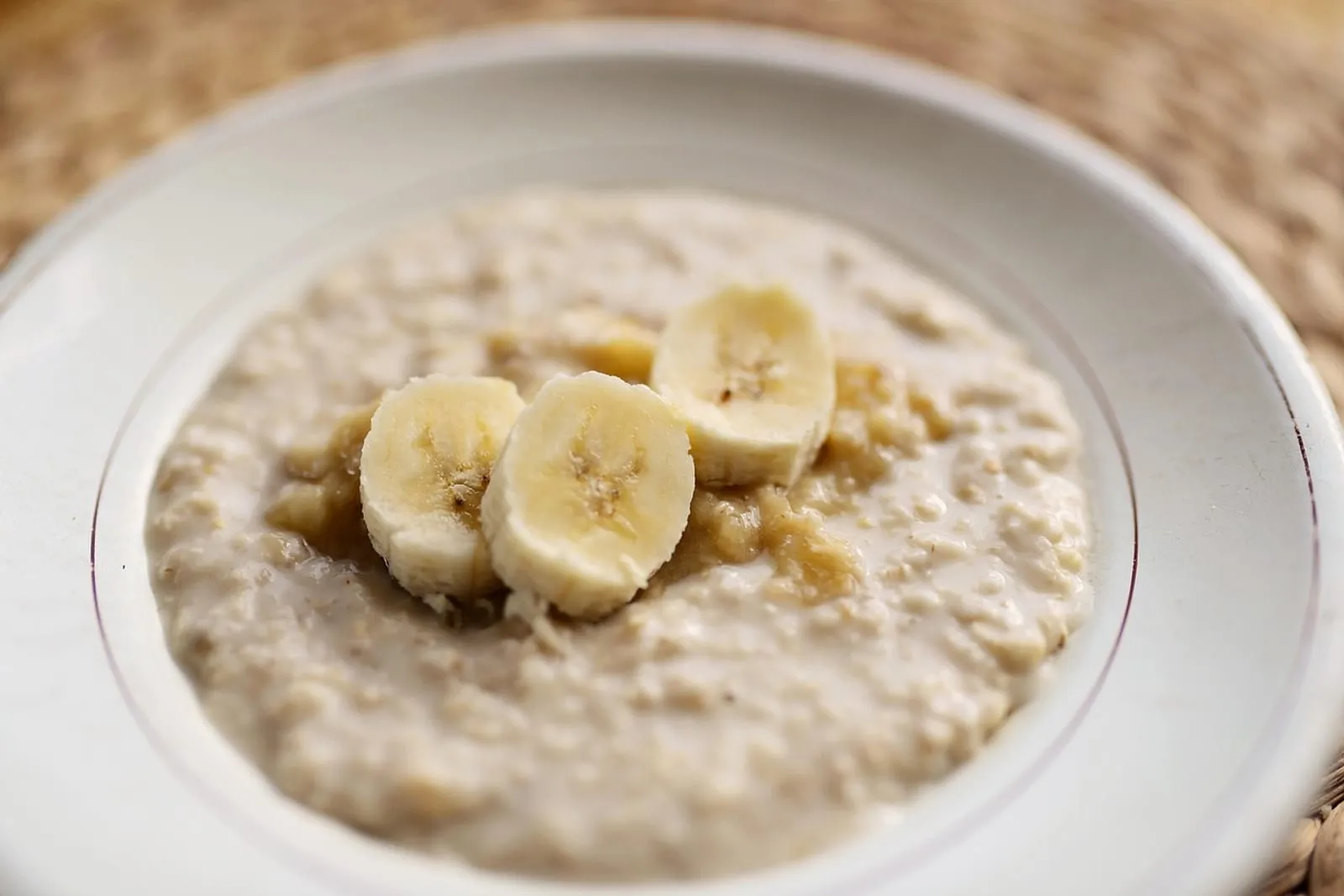
Blend 1 ripe banana with 1 tablespoon of honey until there are no chunks at all. Smooth through damp hair and leave 15 to 20 minutes. Rinse thoroughly, because banana bits are stubborn if you skip the blender.
3. Honey and Yogurt (for Dullness)
Mix 2 tablespoons of plain yogurt with 1 tablespoon of honey. Apply to damp hair, leave 20 minutes and rinse. Use plain, unsweetened yogurt, since flavored kinds add sugar and color.
4. Oats and Yogurt (for Fine or Oily Hair)
Grind 2 tablespoons of oats into a powder in a blender, then stir in 3 tablespoons of plain yogurt. It is a light mask that rinses easily. Leave 15 minutes.
5. Coconut Oil and Honey (for Curls)
Warm 1 tablespoon of coconut oil until just liquid and stir in 1 tablespoon of honey. Smooth over damp curls and leave 20 to 30 minutes with a shower cap. Our guide to deep conditioning curly hair shows how to work a mask through curls in sections.
6. Egg and Olive Oil (for Strength Feel)
Whisk 1 egg with 1 teaspoon of olive oil. Apply to damp hair, leave 10 to 15 minutes and rinse with cool water. Hot water will scramble the egg in your hair, so this is the one mask where the temperature matters most.
Skip raw egg if you have any doubts
Raw eggs can carry bacteria. Keep the mask away from your mouth, wash your hands afterward and skip this recipe if you have an egg allergy or a cut on your scalp.
How to Apply a DIY Hair Mask
Good technique makes a bigger difference than the recipe itself.

- Detangle first with a wide-tooth comb.
- Start with damp hair. Squeeze out extra water so the mask does not drip.
- Section your hair into 4 parts and apply from mid-lengths to ends, then add a little on the roots only if your scalp is dry.
- Cover with a shower cap or warm towel to keep the mask from drying.
- Wait 15 to 30 minutes.
- Rinse with lukewarm water until your hair feels slippery, not coated, then shampoo only if needed.
Warm it up
Wrap a towel warmed in the dryer around your shower cap. A little warmth helps oils and honey spread more easily, and it makes a mask feel more like a spa treatment.
Blend, then strain
For banana or avocado masks, push the mixture through a fine kitchen strainer. Lumps stay in the strainer instead of ending up in your hair.
Ingredients to Skip
- Lemon juice and undiluted vinegar: very acidic, and they can irritate the scalp and dry out hair. If you want a safe acidic option, read our apple cider vinegar hair rinse guide first.
- Baking soda: it is alkaline and can leave hair rough and tangled.
- Cinnamon, cayenne and other spices: they can burn skin.
- Anything you are allergic to: always patch test.
Troubleshooting: If Your Mask Isn’t Working
It Won’t Rinse Out
Lumps usually mean the mask was not blended smooth. Rinse with lukewarm water, scrub gently with your fingertips and use a wide-tooth comb under the water to lift bits out.
Your Hair Feels Greasy
You used too much oil or left it on too long. Shampoo once after the mask, and halve the oil next time.
Your Hair Feels Stiff or Dry
Some protein masks, such as egg, can feel stiff on dry or porous hair. Follow with a moisturizing conditioner and use a moisture-only mask like avocado or honey next time. Our frizzy hair fixes explain more about dryness and frizz.
Your Scalp Itches
Rinse right away and skip the ingredient next time. See a dermatologist if irritation persists.
Mask Day Schedule and Storage
A mask works best when it fits a simple rhythm instead of becoming a daily chore. Here is an easy way to plan it.
| Hair need | How often | Best time |
|---|---|---|
| Very dry or curly | Once or twice a week | Before shampooing, on wash day |
| Normal | Once a week | Wash day |
| Fine or oily | Every 1 to 2 weeks | Wash day, mid-lengths and ends only |
| Heat-styled or color-treated | Once a week | After a clarifying wash |
Make each mask fresh and use it the same day. Fruit, yogurt and eggs spoil quickly, so do not save leftovers for next week. If you have a little mask left over, it is fine to spread it on your hands or elbows, but do not return it to the fridge to reuse in your hair.
Consider the order of your wash day, too. Apply the mask first, rinse it out, shampoo only if your scalp needs it and then condition your ends. If you like to seal in moisture afterward, a drop of oil on damp hair does the job.
Your Next Step
Choose the recipe that matches your hair in the table above and set aside 30 minutes this weekend. Once your hair feels softer, lock in the moisture with a little oil. Our guide to the best hair oils for every hair type shows you which one to pick.
Frequently Asked Questions
How often can I use a DIY hair mask?
How long should I leave a homemade hair mask on?
Can DIY hair masks fix damaged hair?
Do I put a hair mask on wet or dry hair?
You might also like
More in Hair Care →
Protective Hairstyles for Winter: 7 Styles That Last
Pick protective hairstyles for winter that guard dry, breakage-prone hair from cold and wool. Compare 7 styles, then learn prep and care. Save this guide!
Deep Conditioning Curly Hair: How Often and How to Do It Right
Deep conditioning curly hair the right way: how often by porosity, step-by-step with heat, moisture vs protein masks and safe DIY recipes. Revive dry curls!

How to Get Rid of Frizzy Hair: 9 Fixes That Actually Work
Learn how to get rid of frizzy hair with 9 simple fixes, from smarter washing and drying to overnight habits. Most cost nothing. See which one works first!