Gel vs Mousse vs Cream: Which Curl Product Should You Use?
Gel vs mousse vs cream: find the curl product that suits your pattern, from 2A waves to 4C coils, with a side-by-side chart and how to apply each. Pick yours!

In this article
You have a gel, a mousse and a cream on the bathroom shelf, and your curls look good with exactly none of them. Gel vs mousse vs cream is really a choice between three trade-offs, hold, weight and moisture, and your curl pattern decides which one should lead. Below you’ll find a chart for every pattern from 2A waves to 4C coils, plus how to apply each product and how to fix it when it misbehaves.
Key takeaways
- Cream adds softness and moisture with very little hold. Gel gives strong, lasting hold and frizz control. Mousse gives light, airy hold and volume.
- Waves (2A-2C) and fine hair usually lead with mousse or a light gel. Curls (3A-3C) do best with cream plus gel. Coils (4A-4C) usually need cream first, then gel to clump.
- Layering beats picking one product: moisture first, hold second.
- Stiff, flaky or limp curls usually mean too much product, not too little.
- Porosity and thickness matter as much as curl type, so change the amount before you change the product.
What Each Curl Product Actually Does
Curly hair tends to be drier than straight hair, because scalp oil has a long, winding path to travel down a curved strand. So curl products do two jobs: they add moisture and slip, and they add hold. Cream, gel and mousse split that work in different ways.
Cream is an emulsion, a mix of water and oils or butters held together by an emulsifier. It softens strands, smooths the surface and cuts frizz, but it holds a curl shape only loosely.
Gel dries into a thin, flexible film that grips each clump while the hair dries. That film is the “cast” that feels crunchy at first, and it keeps curls defined for days and resistant to humidity.
Mousse is a light styling product whipped into foam. Because it is mostly air, a golf-ball-size puff spreads thinly, lifts the roots and dries faster than gel, with a softer, more flexible hold.
Did you know?
Your curl pattern is set below the skin. The more curved the hair follicle, the tighter the curl that grows from it. No product changes that pattern. Stylers only change how well your curls clump, hold and stay soft.
Gel vs Mousse vs Cream: The Side-by-Side Chart
Start here. The chart shows what each product does best, which curls it suits and how to apply it, so you can see where your hair fits in about 30 seconds.
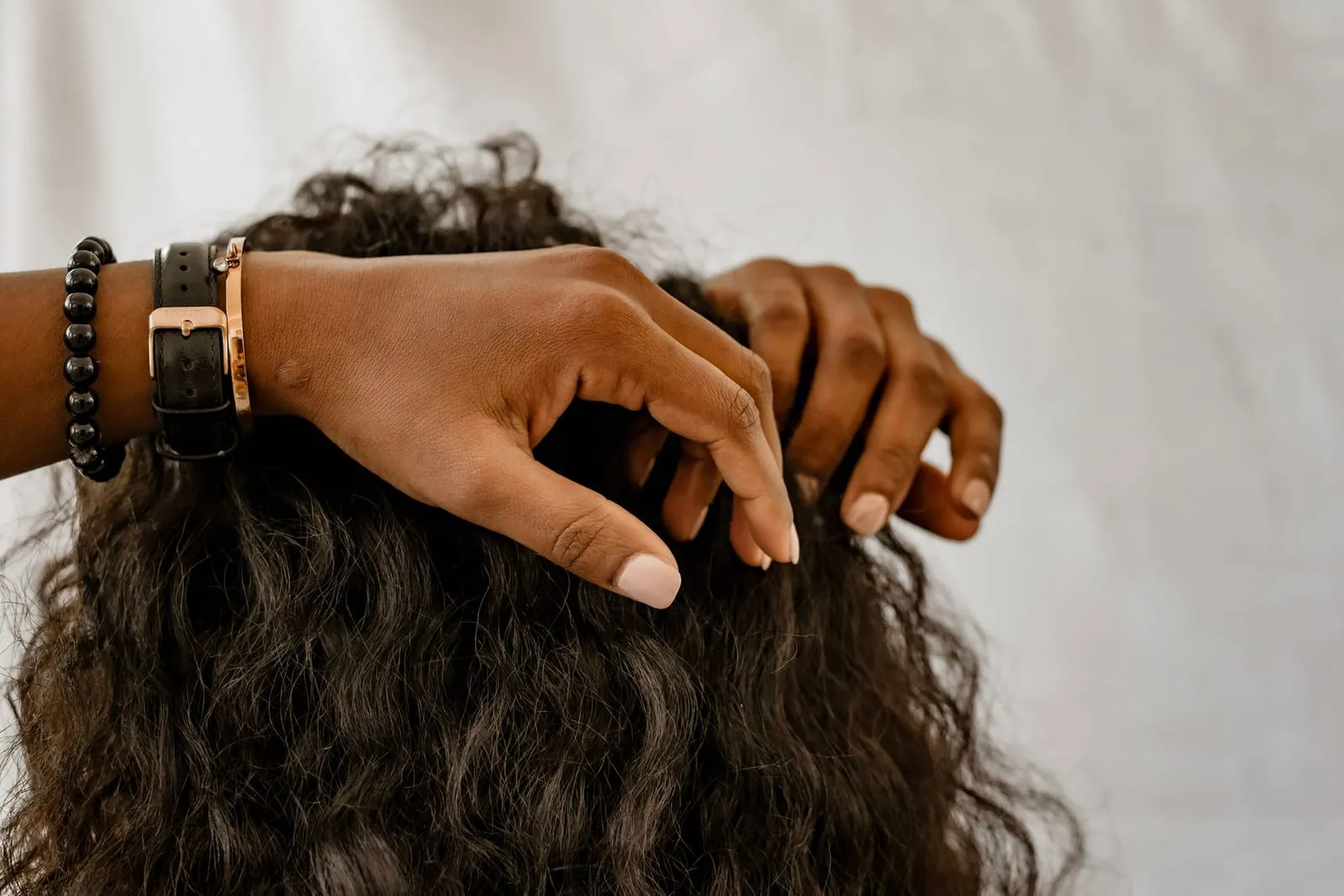
| Product | Best for | Effect | How to apply |
|---|---|---|---|
| Cream | Dry, thick or coarse hair; 3B-4C curls and coils; high-porosity hair | Soft, smooth, moisturized curls with light definition and almost no hold | Warm a quarter-size amount in your palms, then smooth over soaking-wet sections from ends to mid-length |
| Gel | 2C-4C curls and coils; any hair that frizzes fast or needs all-day shape | Defined clumps, frizz control and hold for days; crunchy until you scrunch out the cast | Apply over leave-in or cream while hair is dripping wet, then scrunch up toward the roots |
| Mousse | 2A-3A waves and loose curls; fine or low-density hair; root lift on any type | Light, airy hold and volume with a soft finish; dries fast | Pump a golf-ball-size puff into your palm and scrunch through damp hair, roots last |
| Custard or pudding (hybrid) | 3B-4B curls that want moisture and hold from one jar | Medium hold with a soft feel | Smooth a quarter-size amount through each section, then scrunch |
If you want a shortcut: need softness, reach for cream. Need shape and frizz control, reach for gel. Need volume, reach for mousse. Most heads end up using two of the three.
Did you know?
In the US, cosmetic ingredient lists run from the largest amount to the smallest, down to 1%. Below that, ingredients can appear in any order, according to the FDA. So the first five ingredients tell you far more about a product than the whole list.
Which Product Fits Your Curl Type (2A to 4C)
Curl type is a starting point, not a rule. Use this table to pick your lead product, then adjust for how your hair actually behaves.
| Curl type | Lead with | Add if needed | Watch out for |
|---|---|---|---|
| 2A-2B waves | Mousse or a light gel | Dime-size leave-in on the ends | Heavy creams and butters flatten waves |
| 2C-3A | Light gel, or mousse over a light cream | Pea-size cream on dry ends | Too little hold, so curls frizz by noon |
| 3B-3C | Cream, then a medium gel | Mousse at the roots for lift | Too much gel makes curls stiff and slow to dry |
| 4A-4B | Moisturizing cream, then gel | Custard for twist-outs, a little oil on the ends | Mousse alone, which rarely holds coils |
| 4C | Rich cream, then a strong gel | Work in very small sections | Gel on dry or unmoisturized hair |
Waves (2A-2C)
Waves are easy to weigh down. A mousse or light gel gives shape without the heaviness, and cream belongs on the ends only. Say your waves look perfect when wet and fall flat once dry: that usually means they need more hold and less cream.

Curls (3A-3C)
Springy curls often do best with the classic pairing: cream underneath for moisture, gel on top for clumping. If your crown goes flat while the lengths look great, add a small puff of mousse at the roots.
Coils (4A-4C)
Coils are dense and dry out quickly, so moisture comes first. Work a rich cream through small sections, then add a strong gel to clump the coils and hold their shape through humidity. Applying in small sections matters more than the exact product, because it makes sure every strand gets coated.

Most heads are not one pattern. The hair at your nape may be looser than at your crown, so treat it as one routine and adjust by section. Not sure which pattern you have? Take the 1-minute curl type quiz or read our curl types chart. Thin strands and low-porosity hair also like lighter formulas, which our guide to low vs high porosity hair explains.
How to Apply Each Product
All three work best on soaking-wet hair, right after you rinse out your conditioner. The full technique, from praying hands to scrunching, is in our guide to defining curls without frizz. Here are the product-specific basics.
Cream
- Detangle first, with conditioner still in your hair.
- Warm a quarter-size amount between your palms (a half-dollar for long, thick hair).
- Smooth it over each section from the ends toward the mid-lengths, keeping the first inch near the scalp light.
Gel
- Apply over cream or leave-in, while water is still dripping from your hair.
- Smooth a quarter-size amount down each section, then scrunch upward.
- Leave it alone until your hair is completely dry, then scrunch gently to break the cast.
Mousse
- Shake the can and pump a golf-ball-size puff into your palm.
- Spread it through damp hair with a gentle scrunch, working roots last.
- Air-dry, or diffuse on low heat, without touching until dry.
Not sure how much to use? Start small. You can add a second pass to any section that still frizzes, but you can’t take product back out without rewashing.
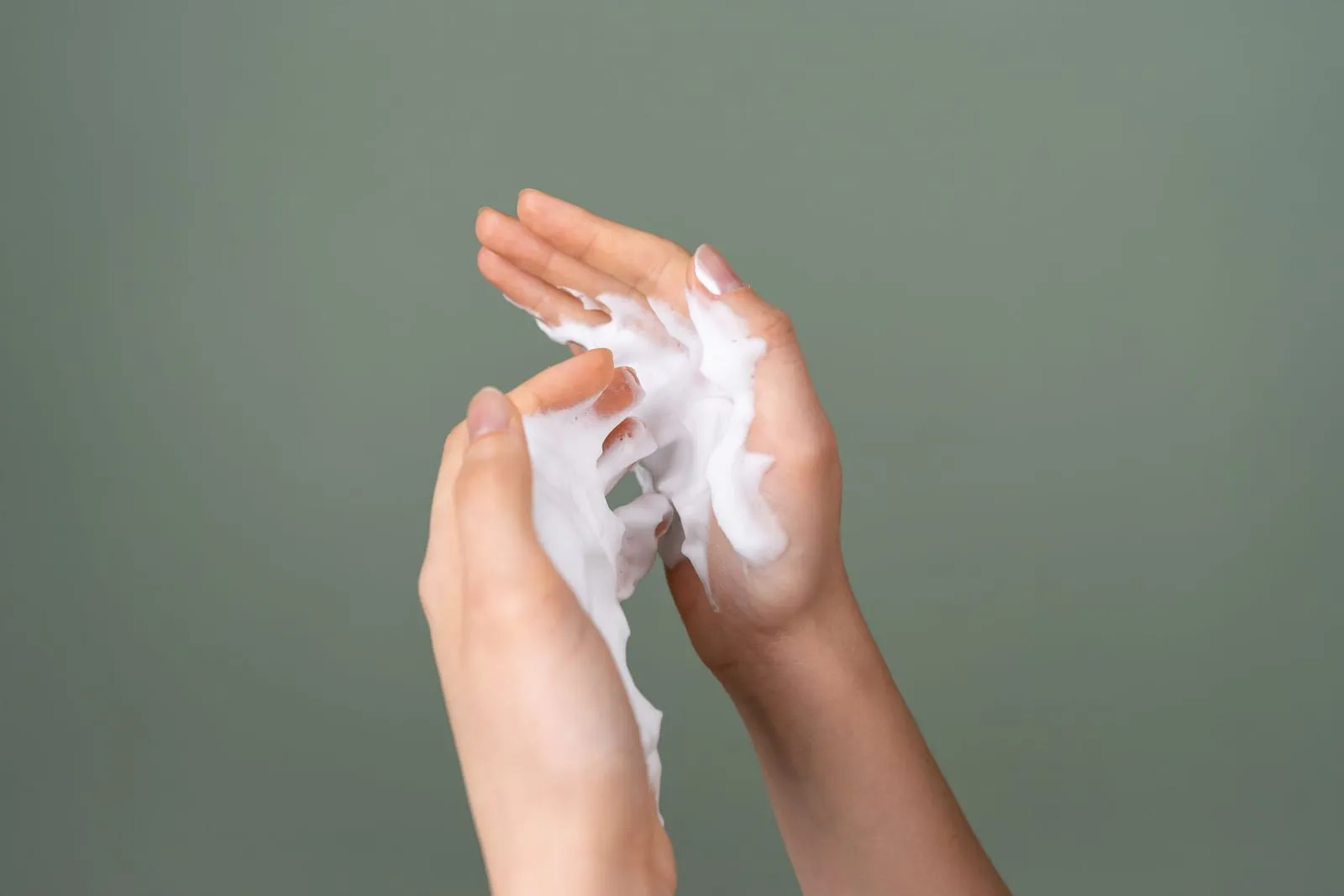
Mixing products is fair game too, and it is the cheapest way to find your ideal hold.
Make your own custard
Rub a pea-size scoop of cream and a quarter-size scoop of gel together in your palm before applying. You get gel’s hold with cream’s softness, and you can change the ratio every wash day.
Layering: The Order That Works
The rule is simple: thin and moisturizing first, strong hold last. A cream goes under a gel, never over it, because gel dries into a film that blocks anything added later.
- Soft and natural: cream only.
- Defined curls: cream, then gel.
- Volume and definition: cream, then gel, then a small puff of mousse at the roots.
- Lightweight waves: mousse alone, or a light gel over a little leave-in.
Two products are plenty for most people, and three is the limit. Every extra layer adds weight and slows drying.
Mousse for day two
When your roots go flat by day two, mist them with water and pat in a half golf-ball of mousse, then fluff with your fingertips. It adds lift without re-wetting the whole head. More ideas are in our guide to refreshing curls on day 2.
Myths vs Facts About Curl Products
| Myth | Fact |
|---|---|
| Gel always makes hair crunchy and dry | The cast is a temporary film. Scrunch it out once your hair is dry and curls feel soft |
| Mousse is only for fine hair | Thicker hair can use it for root lift or as a lighter alternative to gel |
| Cream alone is enough for coils | Cream softens, but many coils need gel on top for clumping and humidity resistance |
| More product means more definition | Too much makes curls stiff, flaky and slow to dry |
| Any “alcohol” on the label dries hair out | Fatty alcohols such as cetyl and cetearyl alcohol soften creams; short-chain alcohols near the top of the list are the drying kind |
Troubleshooting: If Your Curls Aren’t Working
Curls Feel Crunchy or Stiff
Wait until your hair is fully dry, then flip it upside down and scrunch gently. If it stays stiff, you used too much, so try half next time and add more only where you see frizz.
Frizz Appears as the Hair Dries
Frizz means the hold was too weak or you touched your hair while it dried. Switch to a stronger gel, apply it to wetter hair and keep your hands out until it is dry.
Curls Are Limp or Greasy
Too much cream or butter is the usual cause. Cut the amount by half, keep products off the first inch near the scalp and use a lighter formula. If curls stay heavy no matter what, old residue may be the problem, and our guide to clarifying curly hair safely shows how to reset.
White Flakes Appear
Flakes usually mean too much product, or two products that do not layer well. Use less of each, apply to wetter hair and avoid rubbing once the gel is on.
Curls Won’t Clump
Clumps need slip and hold. Add a moisturizing cream or leave-in underneath, apply your gel to soaking-wet hair and use smaller sections.
Your Next Step
Choose one change for your next wash day: swap your lead product using the chart, or cut your usual amount in half. Keep everything else the same so you can see what made the difference. Once your products are right, our weekly curly hair routine shows how to fit them into a simple schedule.
Frequently Asked Questions
Is gel or mousse better for curly hair?
Can I use curl cream and gel together?
What should I use on 4C hair: gel, mousse or cream?
Why does gel make my curls crunchy?
You might also like
More in Hair Care →
Product Buildup in Curly Hair: How to Clarify Safely
Product buildup in curly hair leaves curls limp, dull and dry. Learn the signs, how often to clarify, what to use and what to do after. Reset your curls!

A Simple Weekly Curly Hair Routine (Works for Wavy Hair Too)
Follow this simple weekly curly hair routine for soft, defined curls and waves, with wash day, refresh days and night care mapped out. Steal the schedule!

How to Refresh Curls on Day 2 (and Day 3) Without Rewashing
Learn how to refresh curls on day 2 and day 3 with three quick methods, a DIY refresh spray recipe and fixes for flat roots. Skip tomorrow's wash day!