How to Make Hair Color Last Longer: 12 Fade-Proof Habits
Want to make hair color last between salon visits? These 12 fade-proof habits cover washing, water temperature, heat and sun. Start with habit one!

In this article
Your color looks perfect for about a week, and then the shine dulls, the red turns copper and the blonde drifts toward yellow. The good news is that most of that fading comes from everyday habits you can change for free. Here is how to make hair color last longer, from the first shampoo to the sun, the shower and the pillowcase.
Key takeaways
- Wait at least 48 hours before the first wash, or whatever your colorist recommends.
- Wash less often, use cool or lukewarm water and keep the suds on your roots.
- Heat, sun, chlorine and friction fade color just as much as shampoo does.
- A weekly conditioning mask and a gloss every few weeks keep color rich and shiny.
- Match your habits to your shade, because red, blonde and fashion colors fade differently.
Why Hair Color Fades in the First Place
Each strand is wrapped in overlapping scales called the cuticle. Color molecules sit under and between those scales, so anything that lifts the cuticle, such as hot water, heat tools, sun and friction, lets color slip out a little at a time. Lightened hair has a rougher cuticle, which is why blondes tend to see change faster.
Not sure how thirsty your strands are? Take the 1-minute hair porosity quiz, because highly porous hair soaks up moisture quickly and loses color just as fast.
Did you know?
Permanent dye is partly built inside the hair: small color precursors slip into the strand and link up into larger molecules that are harder to rinse out. Semi-permanent shades skip that step and sit closer to the surface, which is one reason they wash out gradually.
12 Fade-Proof Habits to Make Hair Color Last
These habits are grouped by where they happen: in the shower, at the styling mirror and out in the world. You don’t need all twelve at once, and the first four give you the biggest return.
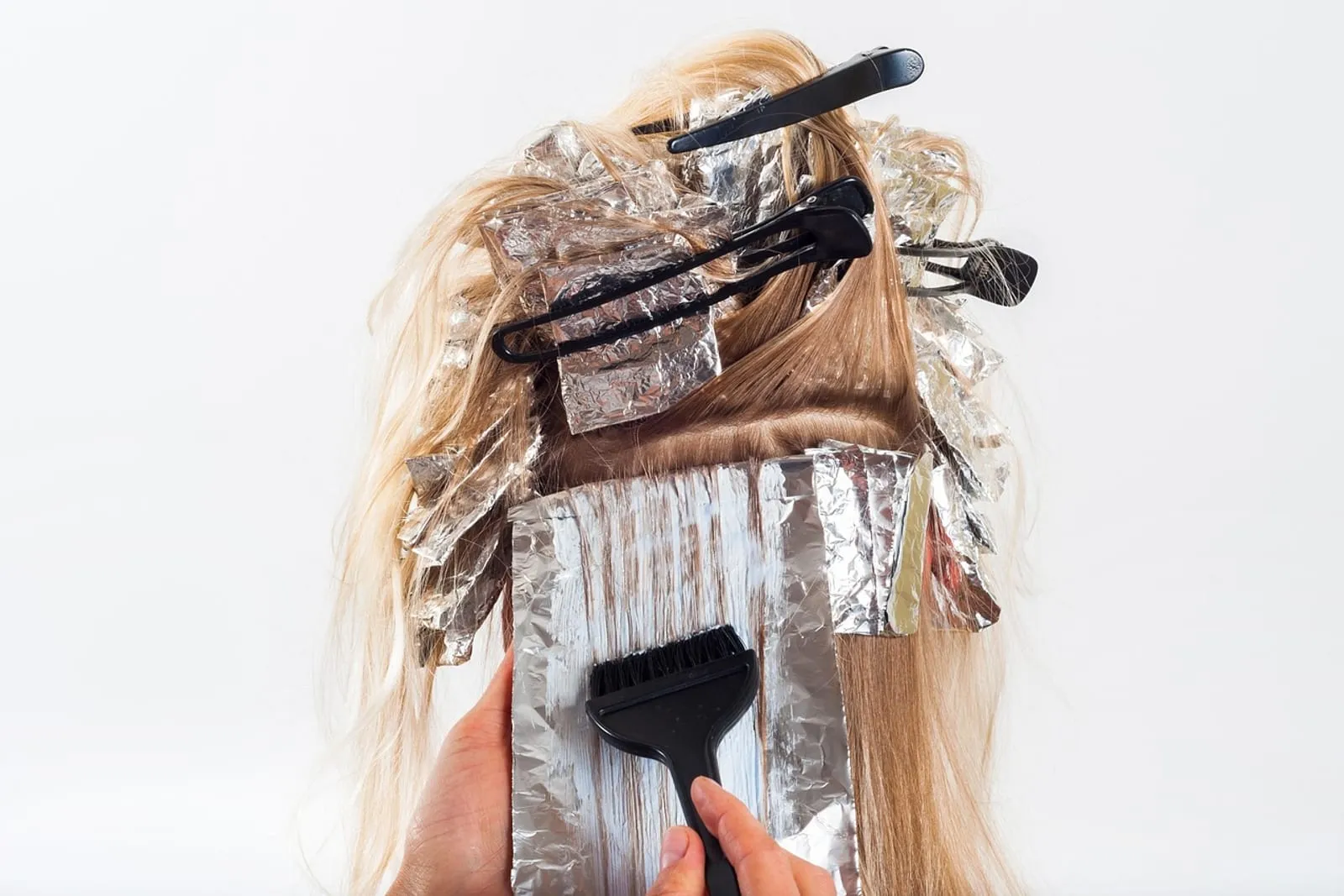
In the Shower
-
Wait before the first wash. Most colorists suggest 48 hours, and some suggest longer. It gives the cuticle time to settle, so more color stays put.
-
Wash less often. Two to three washes a week is a common starting point if your scalp isn’t very oily. Dry shampoo helps in between, and our guide to washing hair correctly shows how to get clean without overdoing it. Between washes, a light mist of dry shampoo at the roots buys you another day, and it is easy on your color.
-
Use a gentle shampoo. Look for a formula made for color-treated hair. “Color-safe” is a marketing phrase, not a guarantee, so treat it as a starting point rather than a promise.
-
Rinse cool. Hot water lifts the cuticle, so finish with the coolest water you can comfortably stand.
The roots-only shampoo
Squeeze a coin-size amount of shampoo into wet palms, work it into your roots and scalp only, and let the suds rinse down through the lengths. Your roots get clean, and the older, more fragile ends avoid extra scrubbing.
Dry ends? Add one conditioning step a week with a good mask, and see our DIY hair masks for simple recipes. The same habits apply to curly hair, with extra moisture from a deep conditioning routine.
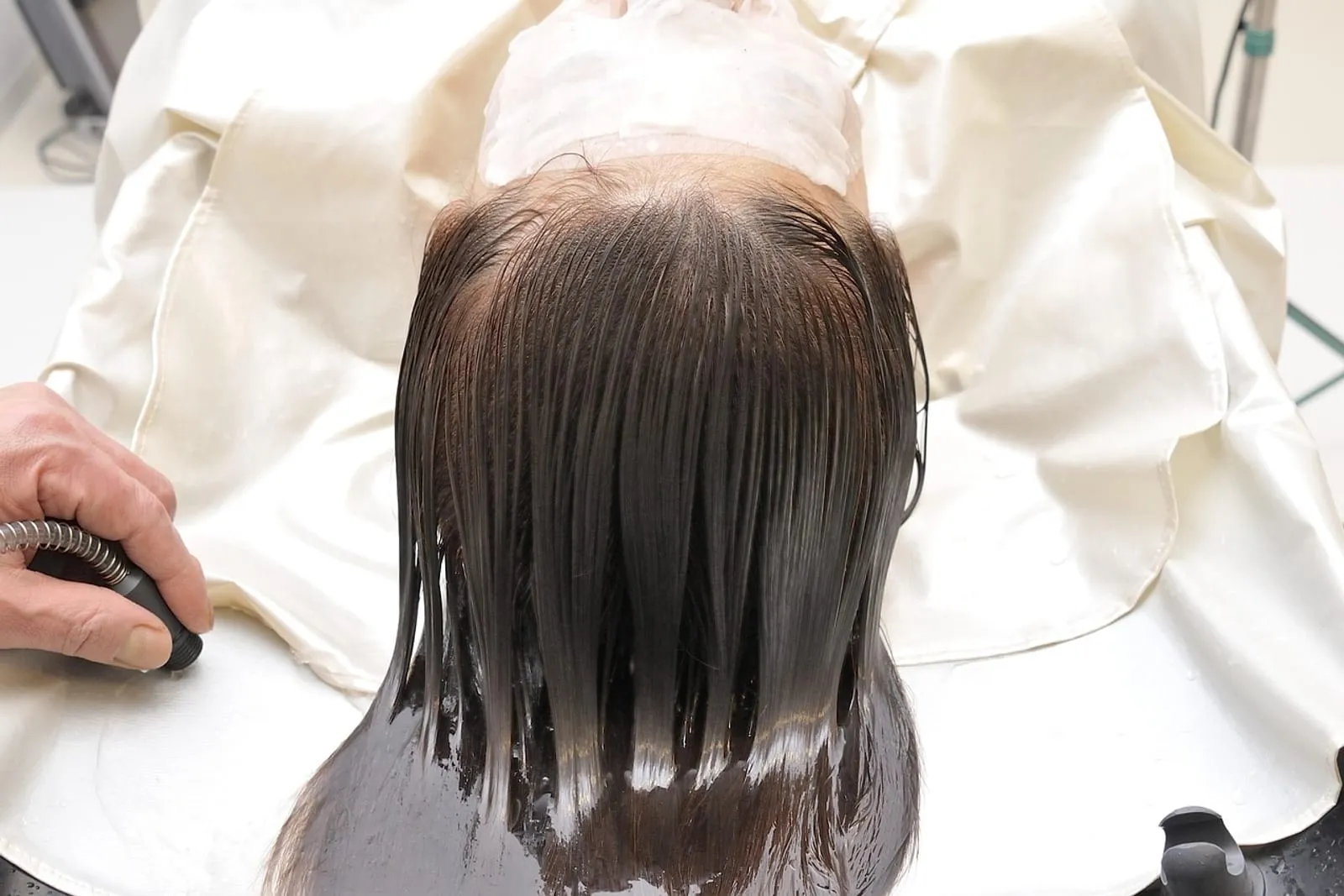
At the Styling Mirror
-
Turn the heat down. Use the lowest setting that gets the job done, and always apply a heat protectant first. Our heat protectant guide explains what to look for.
-
Let hair air-dry most of the way. Blow-drying soaking-wet hair on high is hard on the cuticle. Rough-dry on a medium setting once it’s about 70% dry, or finish with the cool shot. Both steps protect the cuticle at its most fragile moment, which is when it is wet.
-
Blot, don’t rub. Squeeze water out with a microfiber towel or a soft cotton T-shirt, because rubbing roughens the cuticle.
-
Smooth with a drop of oil. A dime-size amount of lightweight oil on dry ends adds shine and cuts friction. Our hair oil guide matches oils to hair types.
Out in the World
Sun, pool water and a rough night’s sleep all chip away at color. These last four habits cover them.

-
Cover up in strong sun. UV light lightens hair, and it can shift colored hair too. A hat or scarf is the easiest fix, and UV-protectant hair products can be an extra layer.
-
Protect hair at the pool. Chlorine can dull color and leave lightened hair feeling dry, so rinse with fresh water as soon as you get out. UV-protectant sprays and leave-ins are worth a look too, although the level of protection varies from product to product.
-
Add a gloss or color refresh. A gloss or a color-depositing conditioner in your shade tops up tone between salon visits. Ask your colorist how often is right for your hair.
-
Sleep smooth. Cotton pillowcases can create friction. A silk or satin pillowcase and a loose twist or braid help protect the cuticle overnight.
The pre-swim rinse
Wet your hair with fresh water and comb a light layer of conditioner through it before you swim. Hair that’s already full of clean water takes in less pool water, and the conditioner adds a thin barrier.
Which Habit Matters Most for Your Shade?
Every shade fades in its own way, so start with the habit that fits yours.
| Your shade | How it usually fades | Start with this habit |
|---|---|---|
| Red and copper | Dulls and loses vibrancy quickly | Cool rinse and a color-depositing conditioner |
| Brunette | Warms up toward red or orange in the sun | Sun cover and a gloss |
| Blonde or lightened | Drifts yellow or brassy | A toning shampoo, used on schedule |
| Pastel or fashion color | Washes out fastest | Fewer washes and a matching depositing conditioner |
| Gray coverage | Roots show first | Root touch-ups and a gloss for shine |
Blonde or silver hair needs one extra tool. Our purple shampoo guide shows how to use it without a lilac tint.
Did you know?
Sunlight is a natural lightener. The sun-streaked hair you see on beachgoers is the same process, and it can change dyed color as well.
Fading Myths, Busted
A few popular beliefs send people down the wrong path.
| Myth | Fact |
|---|---|
| Cold water alone keeps color from fading | Cool water helps, but heat, sun, friction and wash frequency matter as much. |
| Sulfate-free shampoo makes color last forever | A gentler cleanse helps, but it doesn’t cancel out hot tools or sun. |
| Dry shampoo ruins hair color | Used occasionally it simply soaks up oil. Wash it out before buildup piles up. |
| Only pricey salon products protect color | A gentle, color-safe formula at any price can do the job. Technique matters most. |

Troubleshooting: If Your Color Is Already Fading
Your Blonde or Light Color Looks Brassy
Yellow or orange tones show up as dye fades and underlying warmth comes through. Wash less, rinse cooler and add a toning shampoo once a week or so. If the brass is stubborn, a salon gloss usually fixes it faster than anything at home.
Your Red or Fashion Shade Looks Washed Out
These shades fade first. Cut back on shampoo, wash with cool water and use a color-depositing conditioner in your shade every second or third wash.
The color-depositing mix
Stir a small amount of a color-depositing conditioner in your shade into your regular conditioner. You get a gentle top-up of tone without committing to a full treatment, and you can use more or less to adjust the result.
The Ends Look Lighter Than the Roots
Ends are older and more porous, so they lose color faster. Use a conditioning mask weekly and trim as needed, and see our hair breakage fixes if the ends feel dry or snap.
Your Scalp Feels Itchy After Coloring
Rinse thoroughly and switch to a gentle shampoo. The FDA recommends a patch test before using a hair dye, and an itchy, burning or flaky scalp that doesn’t settle is a reason to call a dermatologist.
Skip the home-remedy fixes
Lemon juice, vinegar-and-baking-soda scrubs and harsh clarifying washes can strip color and dry hair out. Ask your colorist before using any strong cleansing product.
Your Next Step
Pick three habits and try them for your next two wash days. Cool rinse, a longer gap between shampoos and a hat in the sun are a great trio. Here is a weekly routine worth saving:
- After coloring: wait at least 48 hours, or as long as your colorist says, before the first wash.
- Every wash: cool rinse, roots-first shampoo and conditioner on the ends.
- Once a week: a conditioning mask and a check of your tone in daylight.
- Every few weeks: a gloss or color-depositing conditioner, plus a trim if the ends look thin.
If you’re blonde, silver or gray, read our purple shampoo guide next to keep your tone fresh between salon visits.
Frequently Asked Questions
How long should I wait to wash my hair after coloring it?
Does washing hair with cold water really keep color from fading?
How often should I wash color-treated hair?
Does color-safe shampoo make a difference?
You might also like
More in Hair Care →
Gray Hair Care: Softer, Brighter, Never Yellow
Gray hair care made simple: stop yellow tones, soften wiry strands and boost shine with a weekly routine and one smart shampoo trick. Start this week!

Gel vs Mousse vs Cream: Which Curl Product Should You Use?
Gel vs mousse vs cream: find the curl product that suits your pattern, from 2A waves to 4C coils, with a side-by-side chart and how to apply each. Pick yours!
How to Diffuse Curly Hair for Volume Without Frizz
Learn how to diffuse curly hair for big volume and no frizz: the right settings for 2A to 4C, the hover-and-cup method and fixes. Try it next wash day!