A Simple Wavy Hair Routine for Defined, Frizz-Free Waves
Build a simple wavy hair routine that keeps waves defined and frizz-free without weighing them down, plus a weekly schedule and day-2 refresh. Try it now!

In this article
- Why Waves Need Lighter Care Than Curls
- Wash Day for Wavy Hair, Step by Step
- Styling Waves: Mousse vs Gel, Scrunching and Root Clips
- Drying Tips That Keep Waves Defined
- Your Weekly Wavy Hair Routine
- The 5-Minute Day-2 Refresh
- Products by Weight: What to Use and What to Avoid
- Seasonal Adjustments: Humidity and Winter
- The Bottom Line
Wavy hair sits in an awkward middle ground: too textured for straight-hair habits, too easily flattened for most curly-hair products. The right wavy hair routine fixes that with less product, lighter formulas and a little more cleansing than a curl routine, so waves stay bouncy instead of limp. Here’s a schedule to follow, with wash-day steps, a day-2 refresh and what to change by season.
Key takeaways
- Waves are weighed down by the heavy creams and butters curls love; keep products light and amounts small.
- Wash two or three times a week, style on soaking-wet hair, and clip the roots while drying.
- Mousse or foam suits fine 2A–2B waves; a light gel gives 2C waves longer-lasting hold.
- Deep condition every other week, not weekly, to avoid limp, over-soft waves.
- A 5-minute refresh with water and a little hold product stretches wash day to day 2 or 3.
Why Waves Need Lighter Care Than Curls
A wave is a looser bend than a curl, and that changes two things. First, natural scalp oils travel down a wavy strand far more easily than a tightly coiled one, so waves get oily and flat at the roots faster. Second, a wave has less structure holding it up, so a heavy product that a springy curl shrugs off will drag a wave straight.
That’s why the standard curly advice to “add more moisture” can backfire. Over-conditioned waves lose their S-shape, hang limp and look greasy by evening.
This routine is written for 2A to 2C hair. If you’re not sure whether you’re wavy or curly, the curl types chart will settle it in a few minutes. Fine waves need the lightest touch of all, while coarse, dense 2C waves can borrow a little from curly routines.
Did you know?
Hair is weakest when it’s wet. A wet strand can stretch up to about 30 percent of its length, versus roughly 20 percent when dry, which is why rough towel-drying and brushing wet waves cause so much breakage.
Wash Day for Wavy Hair, Step by Step
Plan on two or three wash days a week; waves rarely last a full week the way coils can. The whole process takes 30 to 45 minutes plus drying time.
-
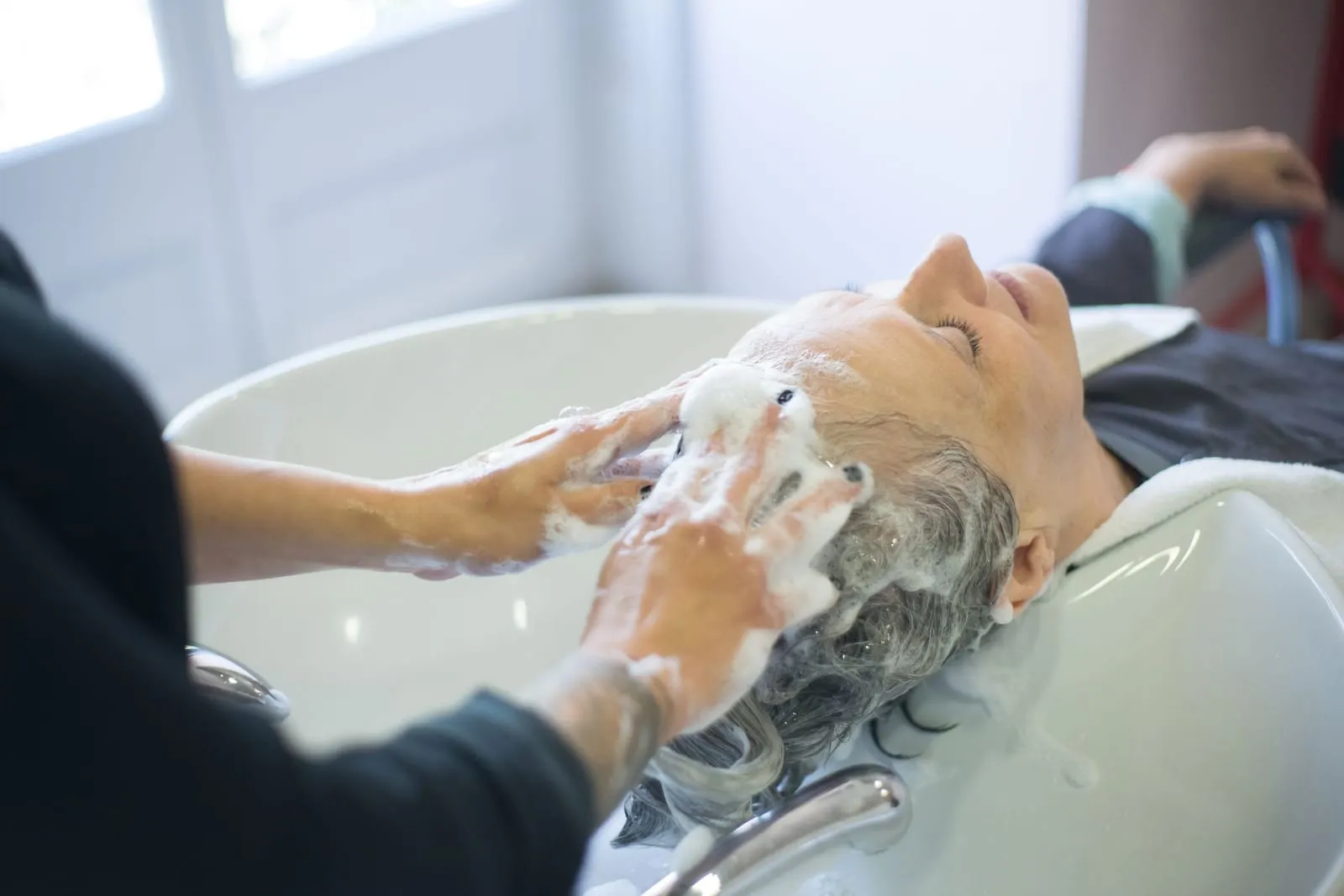
Shampoo the scalp at every wash. Massage a quarter-size amount of sulfate-free shampoo into your scalp for 60 seconds. Waves need a real cleanser rather than co-washing alone, because oil and buildup flatten them fast. Clarify every two to three weeks if you use gel or have hard water.
-
Condition the lengths lightly. Apply a nickel- to quarter-size amount from the ears down, never on the roots. Detangle with your fingers or a wide-tooth comb, from the ends up.
-
“Squish to condish.” Cup water into your ends and squeeze upward until you hear a squelching sound. This encourages waves to clump before you rinse.
-
Rinse fully with cool water. Most waves do best with no conditioner left behind.
-
Deep condition every other week. A 10-minute mask is plenty. Longer or more frequent treatments push fine waves toward limpness.
-
Style while dripping. Flip your head forward and apply products before you reach for a towel.
Use a little less than you think
Waves show over-conditioning faster than any other texture. If your hair looks great in the shower and limp an hour later, cut your conditioner amount in half before you change products.
Styling Waves: Mousse vs Gel, Scrunching and Root Clips
Wavy styling comes down to one hold product, applied to soaking-wet hair, with as few touches as possible afterward.
Choose Your Hold Product
- Mousse or foam gives light, airy hold with volume and no crunch. It’s the best starting point for 2A and 2B waves and for anyone with fine hair. Use a golf-ball-size puff for shoulder-length hair.
- Gel gives a firmer cast and longer-lasting definition, which suits 2C waves, humid climates and frizz-prone hair. Start with a quarter-size amount and add a second if the first disappears.
- Both works well on dense 2C hair: mousse first for volume, then a thin layer of gel for hold.
Apply and Scrunch
- Rub the product between your palms and glide it over the lengths with flat “praying hands” to coat the outside of each wave.
- Tip your head to the side and scrunch the ends up toward the scalp in handfuls, holding each squeeze for three to five seconds. Repeat two or three times per section.
- Scrunch again with a microfiber towel or cotton T-shirt to remove dripping water without rubbing.
- Leave your hair alone from here on. Every touch while drying costs you a wave.
Emulsify your mousse
Pump the mousse into your palm and add a few drops of water, then rub your hands together before applying. The mixture spreads more evenly and weighs less, so fine waves get hold without the stiff, crunchy feel.
Clip the Roots
Waves are flattest at the crown. Once your hair is scrunched, lift a 1-inch section at the root and slide a small claw clip or duckbill clip underneath so the root stands up. Place four to six clips around the crown and remove them when your hair is about 80 percent dry.
Skip the brush on dry waves
Brushing dry waves pulls the S-pattern straight and turns it into frizz. Detangle in the shower instead, with conditioner in.
Drying Tips That Keep Waves Defined
Air-drying gives the most natural result, but it’s slow and can leave roots flat. Plopping helps with both: wrap scrunched hair in a cotton T-shirt for 10 to 15 minutes, a little shorter than you would for curls so the waves don’t get crushed. The wrap itself is shown in how to plop curly hair.
If you diffuse, hover the diffuser an inch away for the first half of drying instead of cupping your hair. Keep the speed low and the heat low; the American Academy of Dermatology’s healthy hair tips recommend the lowest heat setting. Finish with the cool shot.
Dry the roots first
Flip your head upside down and aim the diffuser at your roots for about two minutes, then stop and let the lengths air-dry. The roots set with lift while the waves stay untouched and undisturbed.
When your hair is fully dry, scrunch out any gel crunch with dry hands, or with a single drop of light oil on the ends only. Oil at the roots is the fastest way to flatten waves.
Your Weekly Wavy Hair Routine
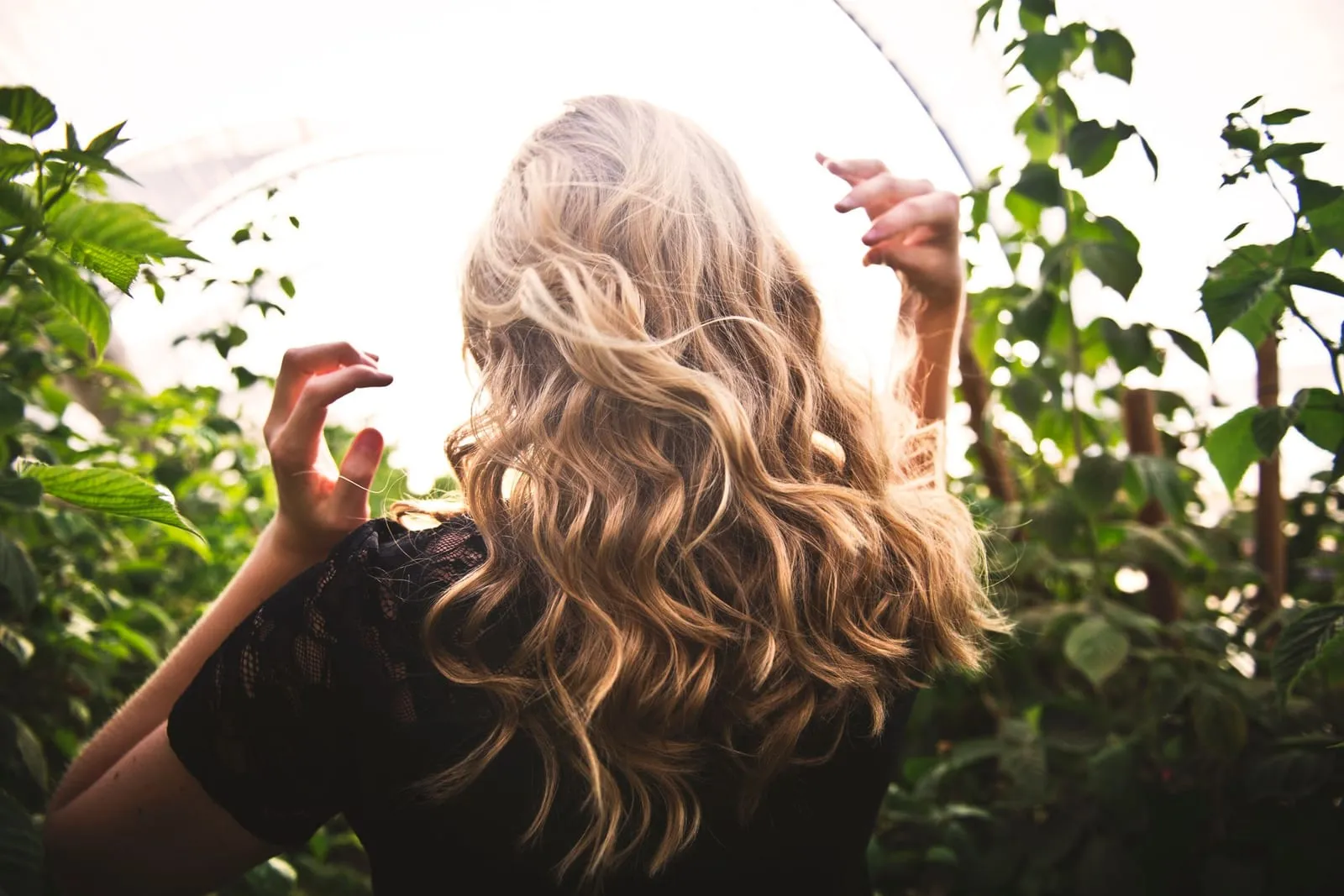
Here’s the rhythm that works for most wavy hair: two full wash days, one optional mini-wash, and quick refreshes in between. Shift the days to match your week.
| Day | Focus | What to do | Time |
|---|---|---|---|
| Monday | Wash day | Shampoo, light conditioner, mousse or gel, clip roots, air-dry or diffuse | 45–60 min |
| Tuesday | Day 2 | Shake out the roots, reshape a few waves with damp hands, no product | 2–3 min |
| Wednesday | Refresh or easy style | 5-minute water-and-mousse refresh, or a loose braid or claw clip | 5–10 min |
| Thursday | Wash day | Shampoo, condition, style; switch to gel if humidity is high | 45–60 min |
| Friday | Day 2 | Fluff the roots, spot-refresh the front pieces | 2–5 min |
| Saturday | Mini-wash (optional) | Rinse, light conditioner on ends and restyle, or dry shampoo at roots | 20–30 min |
| Sunday | Treatment (every other week) | Clarify if hair feels coated, then a 10-minute mask | 30 min |
| Every night | Protect | Loose pineapple or braid, satin pillowcase or bonnet | 2 min |
The night step matters more than it looks. Friction from a cotton pillowcase flattens waves and causes most day-2 frizz, so satin is the cheapest upgrade on this list. The options are compared in how to sleep with curly hair.
The 5-Minute Day-2 Refresh
Day-2 waves usually just need water and a little hold put back in.
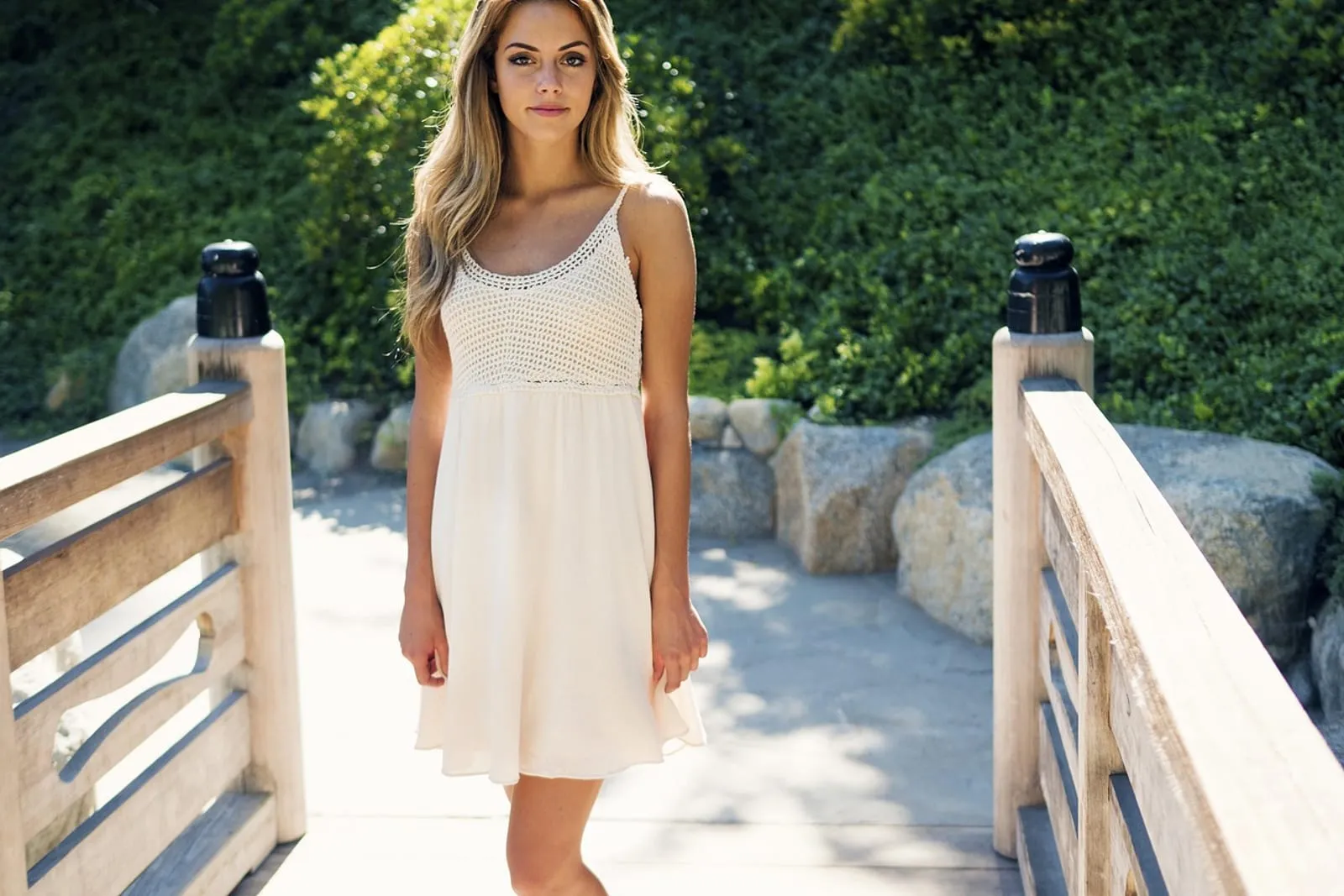
- Mist with plain water until your waves are damp, not wet, focusing on frizzy or flattened areas. Add a teaspoon of leave-in to the bottle if your ends feel dry.
- Scrunch a walnut-size puff of mousse or a dime-size amount of gel into the damp sections.
- Flip your head and shake at the roots, or clip the crown for five minutes.
- Leave it alone until it’s dry.
If a refresh takes longer than 10 minutes, a mini-wash is faster and usually looks better. For stubborn flat spots, this day-2 curl refresh guide has extra tricks that work on waves too.
Products by Weight: What to Use and What to Avoid
Think of hair products on a scale from water to butter. Most waves live at the light end.
Use freely: water-based leave-in sprays, mousse, foam, spray gels and light gels. On the label, look for water first, followed by film-formers such as polyquaternium-11 or VP/VA copolymer.
Use sparingly: lightweight curl creams on the ends of 2C hair only, one or two drops of argan or jojoba oil on dry ends, and dry shampoo at the roots between washes.
Avoid, or save for coarse 2C hair: shea and mango butter, coconut oil as a leave-in, thick “curl butters,” and non-water-soluble silicones unless you clarify regularly. These coat the strand with more weight than a wave can carry, and hair looks stringy and greasy by the next morning.
Watch for drying alcohols too. Alcohol denat. or SD alcohol 40 high on the ingredient list of a spray or foam can leave waves crisp and frizzy. If frizz is your main complaint, these frizzy hair fixes pair well with this routine.
Seasonal Adjustments: Humidity and Winter
Summer and humid weather. Humidity swells the hair and turns waves into frizz. Switch from mousse to a gel with a firm cast, and go easy on leave-ins with glycerin near the top of the list, since this humectant pulls in extra water on muggy days. Wash a little more often if sweat and sunscreen build up at the roots.
Why humidity frizzes hair
Hair absorbs water vapor from the air and swells, which disrupts the smooth, tidy cuticle surface. The more porous the hair, the more it takes in, so humid days hit dry, damaged waves hardest.
Winter and dry indoor air. Static and dryness take over. Add a light leave-in at every wash, move your mask from every other week to weekly during the coldest months, and scrunch out the cast with a drop of oil instead of dry hands.
Watch for over-conditioning and hygral fatigue
Waves that feel mushy, gummy or overly stretchy when wet and won’t hold a shape are showing signs of over-conditioning. It’s sometimes called hygral fatigue: the stress of hair repeatedly swelling with water and shrinking again. Clarify, skip masks for two weeks, and try one light protein treatment with hydrolyzed wheat or rice protein. If your scalp is itchy, flaky or sore, or you notice unusual shedding, see a board-certified dermatologist or a trichologist.
The Bottom Line
A good wavy hair routine is a curly routine with the volume turned down: cleanse more often, condition less, choose mousse or a light gel over creams, style soaking wet, clip the roots and don’t touch until dry. Follow the weekly schedule for three weeks before changing anything, then adjust product weight by season. For waves, light, consistent and hands-off beats any single miracle product.
Frequently Asked Questions
How often should I wash wavy hair?
Should I use mousse or gel on wavy hair?
Why do my waves go flat after styling?
Can I deep condition wavy hair every week?
You might also like
More in Hair Care →
A Simple Weekly Curly Hair Routine (Works for Wavy Hair Too)
Follow this simple weekly curly hair routine for soft, defined curls and waves, with wash day, refresh days and night care mapped out. Steal the schedule!

How to Refresh Curls on Day 2 (and Day 3) Without Rewashing
Learn how to refresh curls on day 2 and day 3 with three quick methods, a DIY refresh spray recipe and fixes for flat roots. Skip tomorrow's wash day!
How to Plop Curly Hair With a T-Shirt (Step-by-Step)
Learn how to plop curly hair with a cotton T-shirt in five easy steps, plus timing by hair type, troubleshooting and a no-crunch finish. Try it tonight!