A Simple Weekly Curly Hair Routine (Works for Wavy Hair Too)
Follow this simple weekly curly hair routine for soft, defined curls and waves, with wash day, refresh days and night care mapped out. Steal the schedule!

In this article
Curly and wavy hair isn’t hard to look after; it just doesn’t like being treated like straight hair. A weekly curly hair routine gives your curls a predictable rhythm: one or two proper wash days, quick refreshes in between, and a little protection every night. Here’s a simple schedule you can follow as written, then fine-tune to your own curl pattern.
Key takeaways
- Most curls need one or two full wash days a week, not daily washing.
- Do the heavy lifting on wash day: cleanse, deep condition, and style on soaking-wet hair.
- Refresh days take 5–10 minutes with water, a leave-in and a quick scrunch.
- Protect curls overnight with satin and a loose “pineapple.”
- Adjust product weight and wash frequency to your curl type and porosity.
Know Your Curls Before You Build a Routine
The same routine can look amazing on one person and limp on another, so it helps to know three things about your hair before you start.
- Curl pattern. The popular 2A–4C typing system is a rough guide: type 2 is wavy, type 3 is curly and type 4 is coily. Many heads have two or three patterns at once.
- Porosity. This is how easily your hair absorbs and holds water. If water beads on your hair and products seem to sit on top, it’s likely low porosity and prefers lighter products. If it soaks up water fast and dries fast, it’s likely high porosity and loves richer creams and a sealing oil.
- Density and strand thickness. Fine curls get weighed down easily, while thick, dense curls can handle more product.
You don’t need to label yourself perfectly. Just notice whether your curls feel weighed down (use less, use lighter) or dry and frizzy (use more, use richer).
Did you know?
The shape of the hair follicle decides the shape of the strand: a rounder follicle tends to grow straight hair, while a more oval or flattened one grows curls. That’s why curl pattern runs in families and can’t be “trained” into another one.
Your Weekly Curly Hair Routine at a Glance
This schedule assumes one main wash day on Sunday and an optional mid-week wash. Shift the days to suit your week; the rhythm matters more than the calendar.
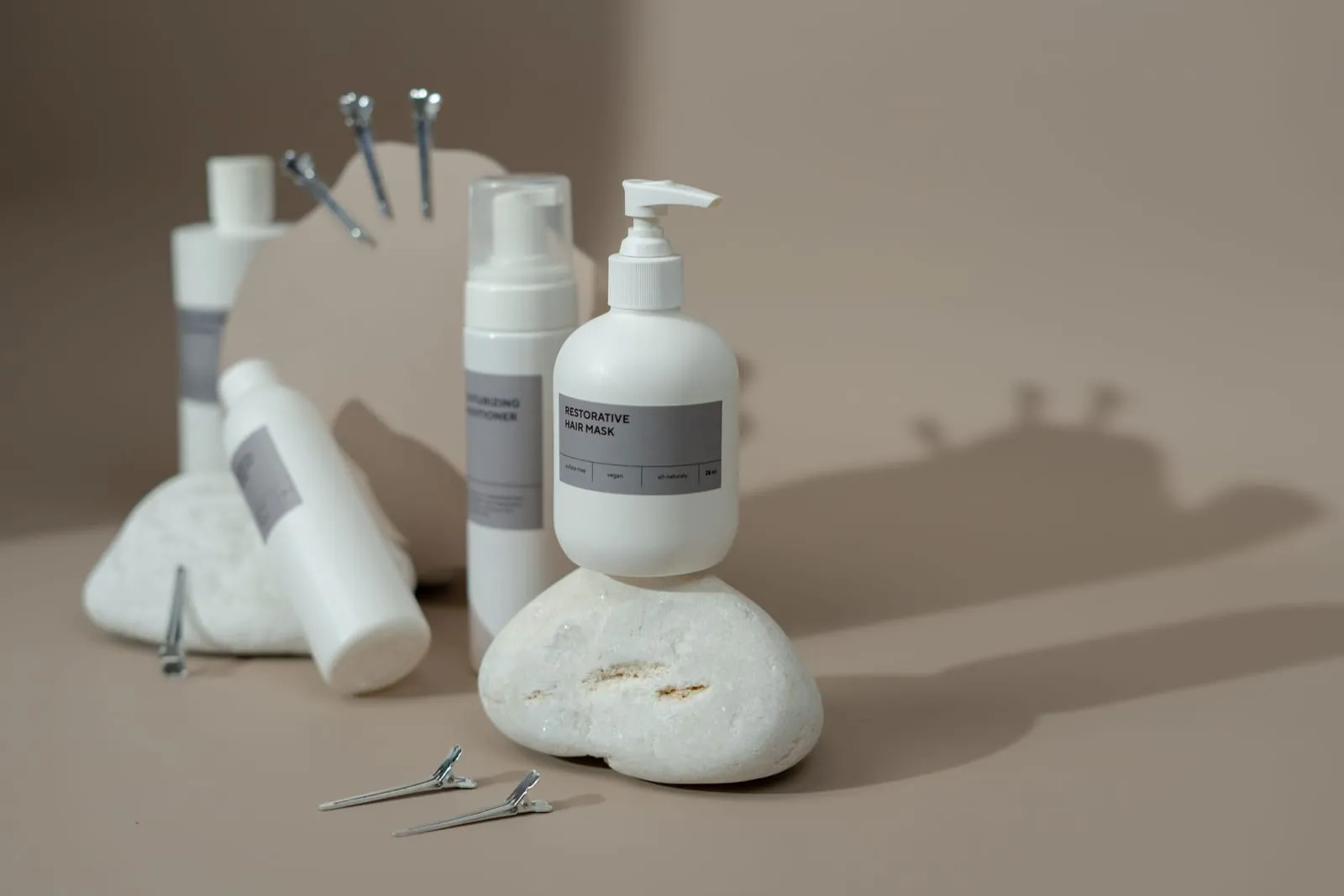
| Day | Focus | What to do | Time |
|---|---|---|---|
| Sunday | Main wash day | Cleanse, condition, deep condition, style, dry | 60–90 min |
| Monday | Day 2 hair | Fluff roots, reshape a few curls, no product | 2–5 min |
| Tuesday | Refresh | Mist with water and leave-in, scrunch, air-dry | 5–10 min |
| Wednesday | Mini wash (optional) | Co-wash or rinse and condition, then restyle | 30–45 min |
| Thursday | Refresh or protective style | Light refresh, or a braid, bun or claw clip | 5–10 min |
| Friday | Scalp check | Dry shampoo at roots if needed, refresh ends | 5 min |
| Saturday | Prep | Pre-poo oil or conditioner on lengths for Sunday | 10 min |
| Every night | Protect | Pineapple or loose braid, satin pillowcase or bonnet | 2 min |
Wash Day, Step by Step
Wash day is where most of the magic happens. Block out an hour, put on a podcast, and go in this order.
Step 1: Pre-Poo (Optional, 10–20 Minutes)
Coat your lengths with a light oil or an inexpensive conditioner before shampooing. It cushions dry ends against the cleansing step and makes detangling easier later.
Step 2: Cleanse the Scalp
Use a gentle, sulfate-free shampoo on your scalp only, massaging with your fingertips (not nails) for about 60 seconds. Once a month, or whenever curls feel coated and limp, use a clarifying shampoo to remove buildup from gels, hard water and heavy products.
Step 3: Condition and Detangle
Apply a generous amount of conditioner, more than you think you need. Detangle in four to six sections with your fingers or a wide-tooth comb, starting at the ends and working up toward the roots.
Rake, then squish
Rake the conditioner through each section with your fingers, then cup water in your palms and squeeze your curls upward until you hear a squelch. Rinse only partly, leaving a little conditioner in. Curls clump together and need less product later.
Step 4: Deep Condition (10–20 Minutes)
Swap your regular conditioner for a mask once a week. Cover your hair with a shower cap and wrap a warm towel around it; gentle warmth helps the treatment spread and penetrate.
Step 5: Style on Soaking-Wet Hair
Rinse, then apply styling products while your hair is still dripping. A reliable order is leave-in conditioner, then curl cream, then gel. Smooth the products over each section with flat palms (“praying hands”), then scrunch upward to encourage curl clumps.

Step 6: Dry Without Disturbing
Plop your hair in a cotton T-shirt for 10–20 minutes to absorb excess water. Then air-dry or diffuse on low heat and low speed, and don’t touch it until it’s 100% dry. Finish by scrunching out the crunch with a drop of oil on your palms.
Make wash day do double duty
Your 20-minute deep-conditioning window is perfect for other small tasks. Many people use it to knock out part of their Sunday meal prep or to tidy the bathroom.
Refresh Days: Keeping Day 2–4 Curls Alive
Curls naturally lose definition after a night’s sleep, but a quick refresh brings them back without a full wash.
-
Mist, don’t soak. Fill a continuous-mist spray bottle with water and a teaspoon of leave-in conditioner, then mist until hair is damp, not dripping.
-
Reshape the frizzy bits. Wrap individual curls around a finger, or scrunch a small amount of gel into sections that have lost their shape.
-
Revive the roots. Lift flat roots with a diffuser on low for a minute, or clip them up while they dry.
-
Leave it alone. As on wash day, the less you touch your curls while they dry, the better they hold.
If a refresh takes longer than 10 minutes, a quick mid-week wash is usually faster and gives better results.
Why curls get dry
Scalp oil slides easily down a straight strand, but the twists and bends of a curl slow it down. Many curly heads end up with an oily scalp and dry ends, so lengths need extra moisture while the scalp may need regular washing.
Night Care: Protect Your Curls While You Sleep
Friction is the enemy of day-two curls. The American Academy of Dermatology’s curly hair care tips suggest gathering your hair into a loose ponytail on top of your head before bed to reduce friction and frizz.

- Pineapple. Gather curls loosely at the very top of your head with a satin scrunchie.
- Satin or silk. Use a satin pillowcase, a bonnet, or both.
- Loose braids or twists. Great for longer or coily hair; they also create soft waves by morning.
No satin pillowcase yet?
Tie a satin or silk scarf loosely around your hair, or slide a clean satin shirt over your pillow. Both cut the friction that cotton causes until you can pick up a proper pillowcase or bonnet.
Whichever you choose, make sure nothing is tight. Elastic pulled hard against curls leaves dents and can cause breakage at the ends.
Adjusting the Routine for Your Hair Type
Wavy Hair (2A–2C)
Waves get weighed down easily. Wash two or three times a week, use mousse or a light gel instead of heavy creams, and deep condition every other week rather than weekly.
Curly Hair (3A–3C)
The schedule above fits most curly hair as written. Rely on a cream for moisture and a gel for hold, and clarify roughly once a month.
Coily Hair (4A–4C)
Coily hair is usually the driest, so it often does best with a wash every one to two weeks, richer butters or creams, and protective styles between washes. Detangle in small sections and be extra gentle at the ends.
You don’t need to follow a strict “method”
The Curly Girl Method, which avoids sulfates and some silicones, works well for many people, but it isn’t the only route to great curls. If a product keeps your hair soft, defined and comfortable, it belongs in your routine.
Signs Your Routine Needs a Tweak
- Crunchy curls that never soften: you’re using too much gel, or you forgot to scrunch out the cast.
- Limp, greasy curls: too much product or heavy oils; clarify and use less.
- Frizz by midday: you may be styling on hair that’s too dry. Try these frizzy hair fixes.
- Rough, tangled ends: add a weekly mask and book a trim every 8–12 weeks.
- Itchy or flaky scalp: you may need to wash more often or use a scalp-specific shampoo.
Check in with a professional
If scalp itching, flaking or soreness lasts more than a few weeks, or you notice unusual shedding or thinning, see a board-certified dermatologist or a trichologist rather than switching products again.
Final Thoughts
A good weekly curly hair routine is mostly about rhythm: one thorough wash day, quick refreshes, and gentle protection at night. Follow the schedule for three to four weeks, note what your curls like, and then simplify. Once wash day is on autopilot, a five-minute refresh fits easily into one of these calm morning routine ideas.
Frequently Asked Questions
How often should I wash curly hair?
Should I brush curly hair?
What does 'scrunch out the crunch' mean?
Do I have to follow the Curly Girl Method?
You might also like
More in Hair Care →
How to Refresh Curls on Day 2 (and Day 3) Without Rewashing
Learn how to refresh curls on day 2 and day 3 with three quick methods, a DIY refresh spray recipe and fixes for flat roots. Skip tomorrow's wash day!
How to Plop Curly Hair With a T-Shirt (Step-by-Step)
Learn how to plop curly hair with a cotton T-shirt in five easy steps, plus timing by hair type, troubleshooting and a no-crunch finish. Try it tonight!

A Simple Wavy Hair Routine for Defined, Frizz-Free Waves
Build a simple wavy hair routine that keeps waves defined and frizz-free without weighing them down, plus a weekly schedule and day-2 refresh. Try it now!