15 Morning Routine Ideas for a Calmer, More Productive Day
Try these 15 morning routine ideas for a calmer, more productive day: simple habits that take 2 to 15 minutes, plus three sample routines. Find your fit!
In this article
- Why a Morning Routine Makes Such a Difference
- Start the Night Before
- Calm Morning Routine Ideas for the First 15 Minutes
- Habits That Clear Your Head
- Productive Morning Routine Ideas
- Little Extras That Make Mornings Easier
- Sample Morning Routines You Can Copy
- How to Make Your New Routine Stick
- Final Thoughts
The best morning routine isn’t the one with a 5 a.m. alarm and a 12-step checklist. It’s the one you’ll still be doing next month. These 15 morning routine ideas are small, realistic habits, most taking under 10 minutes, that help you start the day calmer and get your important work done before lunch. Pick two or three to begin with, not all fifteen.
Key takeaways
- A calm morning starts the night before: lay out clothes, prep breakfast and charge your phone away from bed.
- Water, daylight and a few minutes of movement wake you up faster than scrolling.
- Decide on your “one thing” for the day before you open email.
- Start with two or three habits and add more only once they feel automatic.
Why a Morning Routine Makes Such a Difference
Mornings set the tone for everything that follows. When the first hour is rushed and reactive, you spend the rest of the day catching up. A simple routine removes small decisions (what to wear, what to eat, what to do first) so your energy goes to things that matter.
Consistency helps your body too. Waking at roughly the same time and getting light early in the day both support your internal clock, which makes it easier to feel alert in the morning and sleepy at night.
Start the Night Before
The calmest mornings are mostly decided the evening before. These three habits take about 15 minutes in total and pay off every single morning.
1. Keep a Consistent Wake-Up Time
Try to wake up at the same time every day, within about 30 minutes, even on weekends. Work backward from it so you get enough rest; the CDC recommends at least seven hours of sleep a night for adults.
2. Do a 10-Minute Evening Reset
Lay out tomorrow’s clothes, pack your bag, clear the kitchen counter and set out anything you need for breakfast. Waking up to a tidy space instantly lowers your stress level. For a full wind-down plan, see these evening routine ideas.
Set up a launch pad by the door
Hang a hook or set a small basket by the door and make it the only home for your keys, wallet, badge and water bottle. Put tomorrow’s bag there before bed. In the morning, everything you need to leave is in one spot, so there’s nothing to hunt for.
3. Charge Your Phone Outside the Bedroom
If your phone is your alarm, it’s also your first temptation. Charge it in another room and use an inexpensive alarm clock instead. You’ll be less likely to scroll in bed at night and in the morning.
Calm Morning Routine Ideas for the First 15 Minutes
4. Drink a Glass of Water Before Coffee
You’ve gone seven or eight hours without drinking anything. Keep a glass or bottle by your bed and finish it before you reach for coffee; it’s an easy, satisfying first win.
5. Get Natural Light Early
Open the curtains as soon as you’re up, or step outside for 5–10 minutes. Daylight is one of the strongest signals your body uses to set its internal clock, and it helps you feel awake faster. On dark winter mornings, sit near the brightest window you have.
Did you know?
Even on an overcast day, the light outdoors is several times brighter than the lighting in a typical room. That’s why a few minutes outside gives your body clock a much stronger signal than indoor lighting does.
6. Move Your Body for 5–10 Minutes
You don’t need a full workout. A short walk, a few yoga stretches or 20 bodyweight squats gets your blood moving and shakes off grogginess.

7. Make Your Bed
It takes two minutes and gives you a finished task before the day has properly started. It also makes your bedroom feel calmer when you come back to it at night.
Habits That Clear Your Head
8. Write Three Lines in a Journal
Skip the blank-page pressure. Write one thing you’re grateful for, one thing you want to focus on, and one worry you’re choosing to set aside for now. It takes three minutes.
9. Try a 3-Minute Breathing Exercise
Box breathing is simple: breathe in for 4 counts, hold for 4, breathe out for 4, hold for 4, and repeat for three minutes. It’s a quick way to feel steadier before a busy day.
10. Delay Email and Social Media for 30 Minutes
The moment you open your inbox, your morning starts following other people’s priorities. Give yourself at least 20–30 minutes first, and turn off non-urgent notifications overnight.
Let Do Not Disturb do the waiting
Schedule Do Not Disturb (called Focus on iPhone) to switch off 30 minutes after you wake up. On iPhone, open Settings > Focus; on Android, search “Do Not Disturb” in Settings. Notifications pile up quietly until your first 30 minutes are done.
Productive Morning Routine Ideas
11. Pick Your “One Thing” for the Day
Ask yourself: what single task would make today a success if it were the only thing I finished? Write it on a sticky note and put it where you’ll see it.
12. Tackle Your Hardest Task First
Your focus is often sharpest earlier in the day. Set a timer for 25 minutes and work on your “one thing” before meetings and messages pile up. Even one focused session makes the rest of the day feel lighter.
13. Prep a Grab-and-Go Breakfast
Overnight oats, egg muffins or yogurt with fruit and nuts can all be made ahead. If you’re new to cooking in batches, start with our guide to meal prep for beginners.
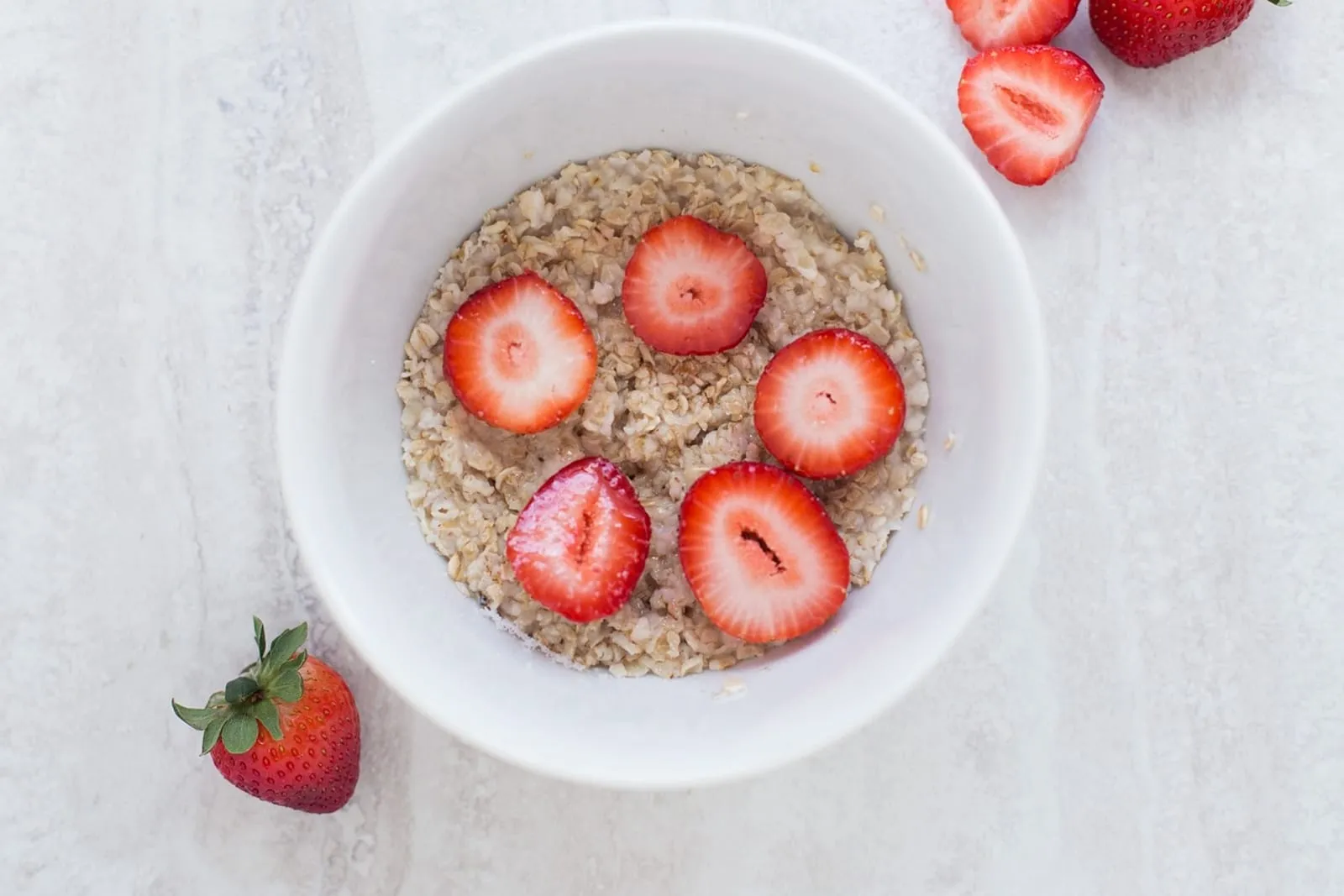
Three make-ahead options that need no special skills:
- Overnight oats: stir ½ cup rolled oats, ½ cup milk, a spoonful of yogurt and some fruit together in a jar and refrigerate overnight.
- Egg muffins: whisk 6 eggs with chopped vegetables, pour into a greased muffin tin and bake at 350°F (175°C) for about 20 minutes. They keep 3–4 days in the fridge.
- Yogurt parfait: layer plain yogurt, berries and nuts in a jar.
Stack new habits onto old ones
Attach each new habit to something you already do: “After the coffee maker starts, drink a glass of water.” “After you sit down at your desk, write your one thing.” Linking habits this way makes them far easier to remember.
Little Extras That Make Mornings Easier
14. Simplify Getting Ready
Choose a few go-to outfits that need no thought, and keep your hair routine short. A closet you can see into makes this easy; here’s how to declutter a small closet. A two-minute refresh beats a 30-minute styling session on weekdays; these frizzy hair fixes show you how to make hair look good with less effort.
15. Set Up Your Workspace for a Fast Start
Clear your desk the night before, keep a short to-do list ready, and make sure your tech isn’t slowing you down. If your laptop takes ages to boot, these tips to speed up a slow laptop can save you minutes every morning.
Sample Morning Routines You Can Copy
The 15-Minute Routine
- Drink a glass of water (1 minute)
- Open the curtains and stretch (5 minutes)
- Make your bed (2 minutes)
- Write your one thing for the day (2 minutes)
- Grab your prepped breakfast and go (5 minutes)
The 30-Minute Routine
Here’s a sample schedule for someone who wakes up at 6:30 a.m.
| Time | What to do | Why it helps |
|---|---|---|
| 6:30 | Drink a glass of water and open the curtains (5 min) | Rehydrates you and gives your body clock a daylight cue |
| 6:35 | Take a brisk walk or do some yoga (10 min) | Shakes off grogginess |
| 6:45 | Journal three lines (5 min) | Clears your head before the day starts |
| 6:50 | Eat breakfast without your phone (10 min) | Keeps the start of the day calm and unhurried |
| 7:00 | Head out the door or sit down at your desk | You’re ready, with your focus for the day set |
The 60-Minute Routine
- Water, daylight and making the bed (10 minutes)
- Movement or a short workout (15 minutes)
- Breathing and journaling (5 minutes)
- A phone-free, sit-down breakfast (10 minutes)
- A focused session on your one thing (20 minutes)
Not a morning person?
You don’t have to wake up early for any of this to work. Night owls can run the same routine at 8 or 9 a.m.; what matters is consistency, not the time on the clock.
How to Make Your New Routine Stick
- Start small. Choose two habits for the first two weeks, then add one more.
- Track it simply. A paper checklist on the fridge works as well as any app.
- Never miss twice. One skipped morning is normal; two in a row is how a habit quietly disappears.
- Review after a month. Drop anything that feels like a chore and keep what genuinely helps.
Did you know?
A University College London study that followed 96 volunteers found that a new habit took 66 days on average to feel automatic, with a range from 18 to 254 days depending on the person and the habit. The same study found that missing a single day didn’t derail the process, so one slip is no reason to quit.
Final Thoughts
A calmer, more productive morning doesn’t come from a perfect routine. It comes from a few small habits repeated until they’re automatic. Prepare the night before, protect your first 30 minutes from your phone, and spend your sharpest time on what matters most. Try two of these morning routine ideas tomorrow and see how different your day feels. Then take on the other half of the equation with our evening routine ideas.
Frequently Asked Questions
How long should a morning routine be?
What is a good morning routine for productivity?
Should I check my phone first thing in the morning?
What if I'm not a morning person?
You might also like
More in Home & Life →
12 Evening Routine Ideas for Better Sleep and Calmer Mornings
Try these 12 evening routine ideas for better sleep and calmer mornings, from a screen cutoff to a 10-minute prep. Includes a 60-minute sample plan.

How to Declutter a Small Closet in One Weekend (Step by Step)
Learn how to declutter a small closet in one weekend: empty it, sort it, use the hanger trick and add vertical storage. Start Saturday morning!

Apple Cider Vinegar Hair Rinse: Does It Work?
Does an apple cider vinegar hair rinse really make hair shinier? See the science, the safe ratio, how often to rinse and who should skip it. Try it once!