How to Grow Nails Longer and Stronger: 10 Habits That Work
Grow nails longer by cutting breakage, not chasing speed. Try 10 habits: short shape, one-way filing, cuticle oil and gloves, plus a biotin myth check.
In this article
You file one snagged corner, and a week later the whole nail splits. If you want to grow nails longer, slow growth is rarely the real problem. Breakage is. Fingernails grow only about 3 mm a month, so every nail you lose to a crack erases weeks of progress. These 10 habits cut the breakage, so the length you grow is the length you keep.
Key takeaways
- Fingernail growth is mostly set by your body, so the practical goal is fewer breaks, not faster growth.
- Keep a short, slightly rounded shape and file in one direction only.
- Moisturize your nails and cuticles every day. Dry nails split more easily.
- Wear gloves for wet jobs, never use your nails as tools, and never cut your cuticles.
- Brittle nails, or any change in color, shape or feel, are a reason to see a dermatologist or doctor.
How Fast Nails Grow, and Why Length Disappears
Nail growth starts under the cuticle, in a small patch of tissue called the nail matrix. New cells form there, harden into keratin (the same family of protein as your hair) and push the older nail forward. The part you see and polish is already hardened, so nothing painted on the surface can make it grow faster.
That is why the smart plan is defensive. At about 3 mm a month, a nail that snaps off 2 mm costs you roughly three weeks of growth. Two or three breaks a month, and you stay stuck at the same length forever.
Did you know?
Fingernails grow roughly 3 mm (about 1/8 inch) a month, which means a nail needs around six months to grow out completely. Toenails grow even more slowly, according to the American Academy of Dermatology (AAD).
Your own rate can run a little faster or slower, and it can differ from finger to finger. To see what is real for you, take a photo on the first of each month with a ruler next to your nails.
10 Habits to Grow Nails Longer and Stronger
Start with three habits this week, then add the rest. The first five do most of the work.
1. Keep a Short, Slightly Rounded Shape
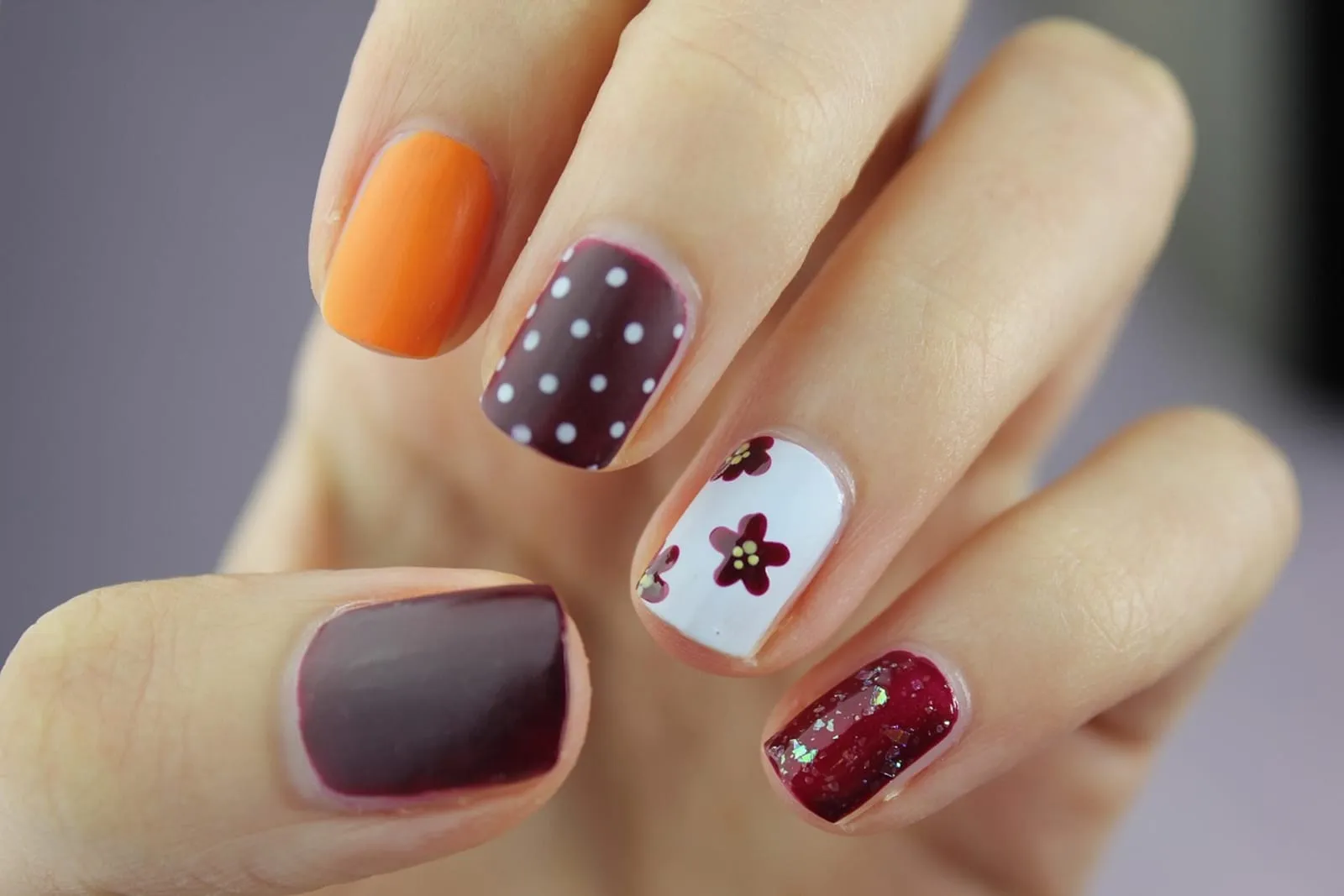
The AAD advises cutting fingernails almost straight across and then rounding the corners slightly. Rounded corners are stronger and catch on clothes less. Sharp corners and long tips are the first parts to snag, so choose a squoval, round or oval shape while you grow. Not sure which one suits you? Our nail shapes guide compares seven of them.
2. File in One Direction
Filing back and forth can weaken nails, says the AAD. Instead, hold the file under the tip, stroke from the side toward the center, lift, and repeat. Each stroke should go the same way.
3. Choose a Fine File
A fine-grit file (around 180 to 240 grit) shapes the edge without shredding it. Coarse files of about 100 grit are made for artificial nails and can tear natural ones. Check the grit number printed on the file.
The cotton-ball snag test
Drag a cotton ball lightly across the tip of each nail. Any wisps that catch mark a rough edge, so smooth just that spot with two or three one-way strokes. It takes 30 seconds and stops tiny snags from turning into splits.
4. Moisturize Nails and Cuticles Daily
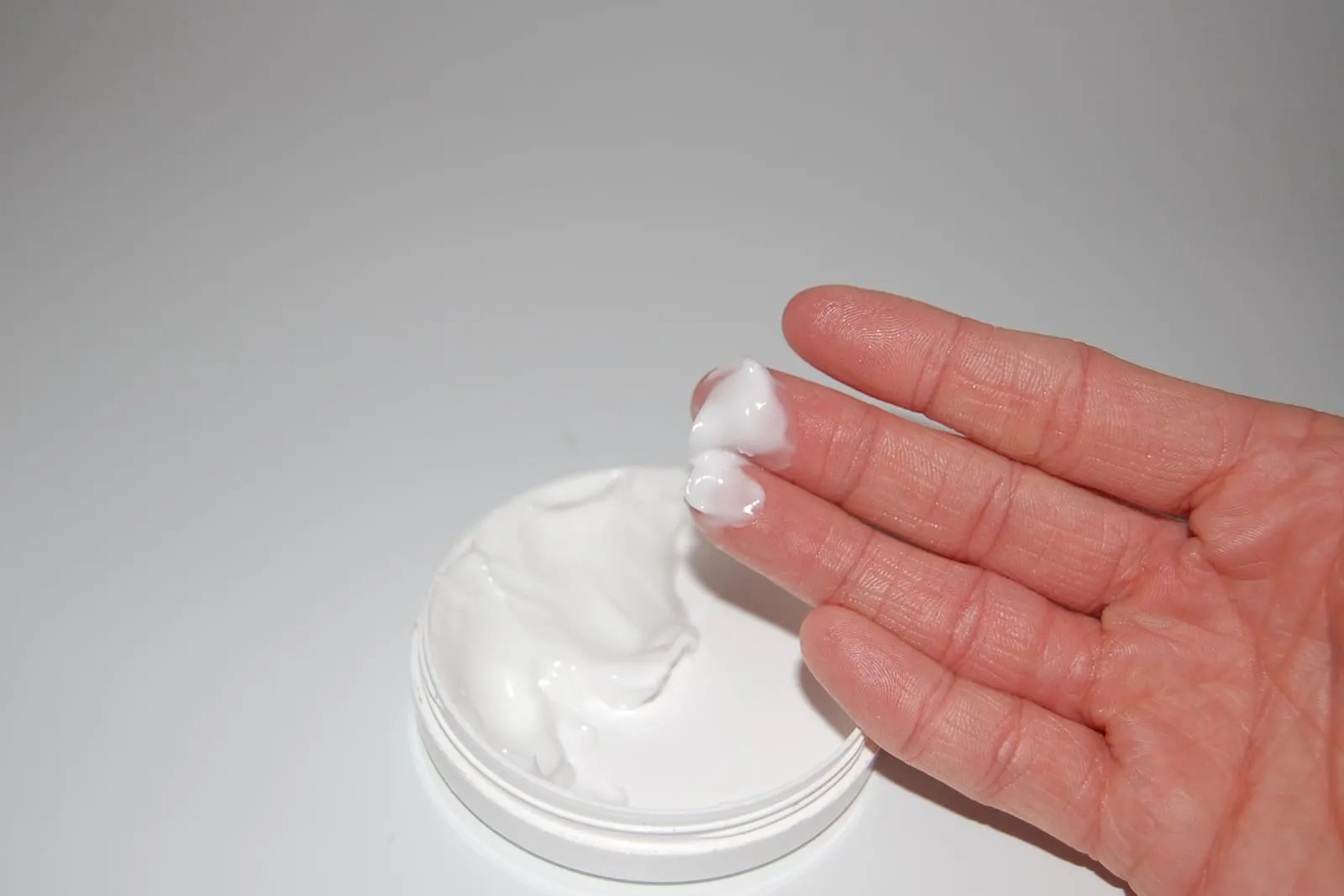
Dry nails split more easily, and the AAD recommends moisturizing after you trim and after you wash your hands. Dab a drop of cuticle oil on each nail and massage it into the skin around it. Use a richer hand cream if your hands feel dry. Do it at night as part of your evening routine, and keep a small tube by the sink.
New product? Patch-test it first. Dab a little on the inside of your forearm and wait 24 hours to see whether your skin reacts.
5. Wear Gloves for Wet Jobs
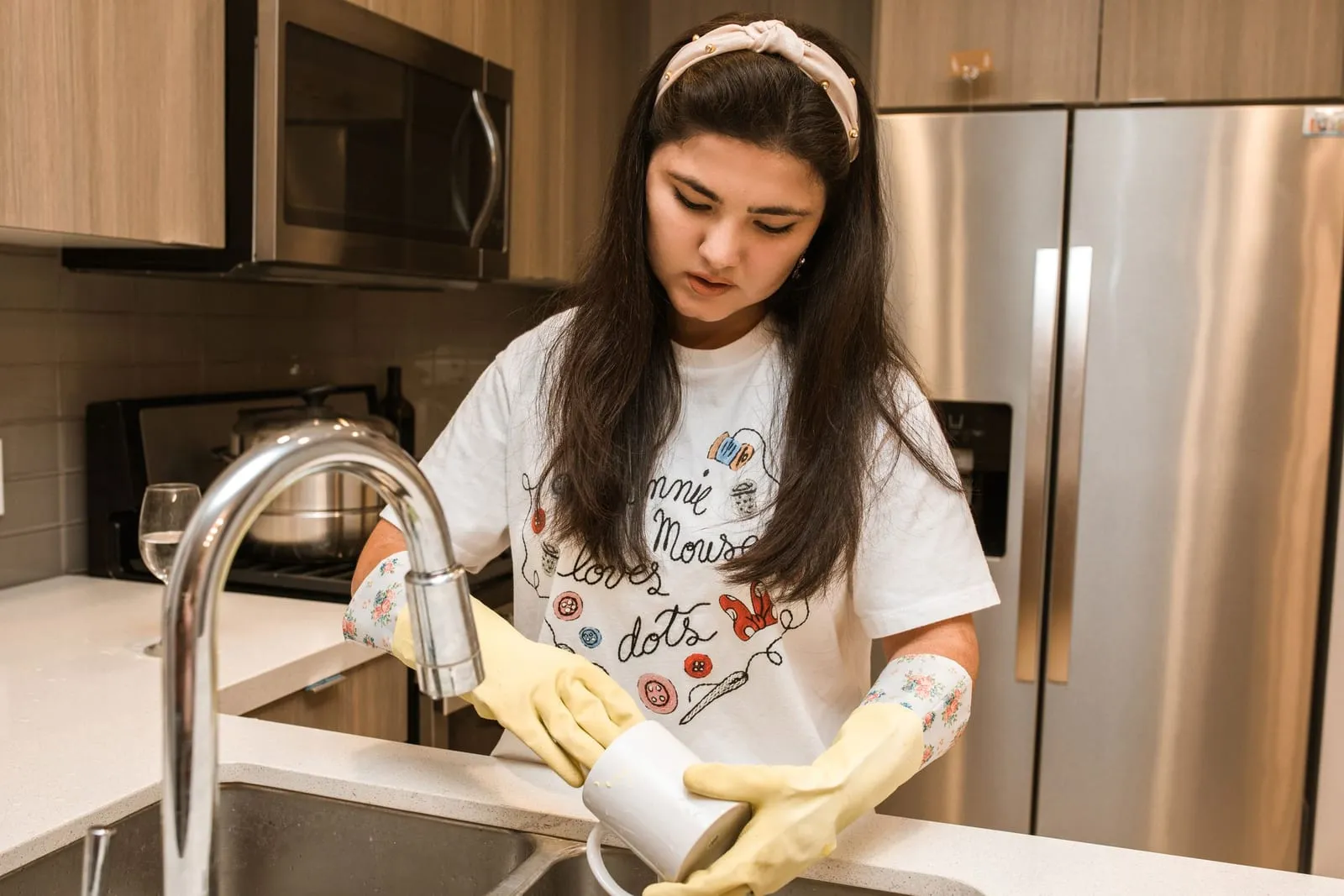
Too much water exposure can weaken nails, leaving them splitting, peeling or breaking, the AAD says. Put on rubber gloves for dishes and cleaning, and pat your hands dry afterward.
Did you know?
Nails soften and swell when they are wet, and they firm up again as they dry. Repeated soaking is one reason dermatologists recommend gloves for washing up.
Pick gloves that fit snugly, since loose ones let water slip in at the wrists. If your skin sweats inside rubber, wear thin cotton liners underneath.
6. Stop Using Your Nails as Tools
Prying open a soda can or scraping a label can chip or split a nail, or even lift it from the nail bed, according to the AAD. Keep a coin, a pen cap or a butter knife within reach instead. For stubborn labels, use a plastic card or follow our guide to removing sticker residue.
7. Leave Your Cuticles Alone
The cuticle seals the gap at the base of your nail and protects the nail root, so dermatologists say never to cut or push it back, even at a manicure. Soften it with oil instead.
Overnight hand treat
Rub a thin layer of plain petroleum jelly or a thick hand cream over your nails, cuticles and hands. Slip on thin cotton gloves, or clean cotton socks, and sleep in them. The cover keeps the moisture on your skin, not on your sheets.
8. Go Easy on Gel, Acrylics and Remover
Peeling off gel polish or acrylics can pull thin layers away from your own nail. Soak them off following the product directions (our guide to removing gel polish at home shows the steps), or ask a professional to remove them. Dark polish can stain, so a clear base coat underneath helps.
Acetone safety
Open a window when you use acetone, and keep it away from flames. Moisturize your hands afterward, because acetone dries skin. If your nails hurt, lift or look different after gel or acrylics, stop and see a doctor.
9. Reshape Weekly, Not After a Break
A five-minute touch-up every week keeps the edge smooth, and a smooth edge rarely snags. Waiting until a nail tears means cutting off far more length.
10. Track Your Progress
Compare monthly photos, not daily mirror checks. Expect about 3 mm, and judge your habits by how many nails survive the month.
Your Weekly Nail Routine
Use this schedule as a checklist. The whole week takes less than 15 minutes of actual effort.
| When | What to do | Time |
|---|---|---|
| After every hand wash | Pat dry and dab on hand cream | 20 seconds |
| Wet chores | Wear gloves | No extra time |
| Every night | Cuticle oil or hand cream, massaged in | 1 minute |
| Every few days | Cotton-ball snag test, then fix any rough spot | 1 minute |
| Once a week | Reshape: fine file, one direction, round the corners | 5 minutes |
| Once a month | Photo with a ruler to check growth | 2 minutes |
Make it stick
Attach each habit to something you already do. Cream goes beside the sink, oil goes by your toothbrush, and the file lives in your bag.
Myth vs. Fact: Biotin and Other Growth Claims
Plenty of advice promises faster growth. Here is what holds up and what does not.
| Myth | Fact |
|---|---|
| Biotin makes nails grow faster. | Growth speed is mostly set by your body. Research on biotin for nails is limited, so no result is guaranteed. |
| Cutting nails often makes them grow faster. | Trimming does not change how fast the nail forms. It only removes length you already grew. |
| Cuticle oil speeds up growth. | Oil keeps the nail and nearby skin flexible, so nails bend instead of snap. Growth stays the same. |
| Gel or acrylic makes natural nails grow. | Extensions add length on top of your nail. Peeling them off can take layers of your own nail with it. |
If you take biotin, the AAD says to tell your doctor before any medical tests, because it can affect some lab results. You can read more in the NIH fact sheet on biotin. If your nails are brittle, ask a doctor before starting any supplement.
Troubleshooting: If Your Nails Keep Breaking
Nails Peel in Layers
Water and harsh remover are the usual causes, and so is picking at polish. Wear gloves, moisturize daily and ease off the remover.
Nails Break at the Corners
The corners are too sharp or the nails are too long for your lifestyle. Round the corners and trim a millimeter or two.
Nails Split at the Tip
Dry nails and back-and-forth filing both cause splits. Switch to one-way strokes and use oil every night.
Tea-bag split repair
Cut a small square from a paper tea bag. Brush clear base coat over the crack, press the square on top, then seal with two more coats. It is a temporary cosmetic patch, so file it off once the nail grows out.
Once the repaired nail has grown out, keep new splits away with short, light, one-way file strokes.
You See No Progress
Check your monthly photos before you give up. Three months of unchanged length usually means breaks are still cutting growth, so go back to the shape and filing habits above.
When to See a Dermatologist
Habits can improve how nails look and feel, but they cannot treat a medical problem. See a dermatologist or doctor if your nails stay brittle despite good care, or if you notice color changes, dark streaks, thickening, lifting, swelling, pain, or a new ridge or dent. The AAD lists nail changes a dermatologist should examine.
Your Next Step
Tonight, do two things: put cream by the sink and file any rough edge in one direction. Then pick a shape that survives daily life. Our nail shapes guide shows which ones are sturdiest, and the Nails category has more manicure tips to try next.
Frequently Asked Questions
How fast do fingernails grow?
Does biotin make nails grow faster?
How do I stop my nails from breaking?
Can I wear gel polish while I grow my nails?
You might also like
More in Nails →
How to Do a Manicure at Home: A Step-by-Step Guide for Beginners
Learn how to do a manicure at home in 8 easy steps, with a tool list, fixes for bubbles and smudges and tips to make it last. Start your first one tonight!
How to Remove Gel Polish at Home Without Damaging Your Nails
Learn how to remove gel polish at home in 10 to 15 minutes with acetone, cotton and foil, no peeling needed. Includes aftercare. Save these steps now!
Short Nail Designs: 20 Easy Ideas for Everyday Wear
Browse 20 short nail designs, from sheer neutrals and bold color to dot art and negative space, with easy steps and a quick-pick table. Save your favorites!