How to Remove Sticker Residue: 9 Methods by Surface
Remove sticker residue from glass, plastic, wood, metal, fabric and laptops with 9 safe home methods and a simple surface chart. Pick yours and start today!
In this article
You peel the price tag off a new jar, and instead of coming off clean it tears into strips and leaves a gummy patch that grabs every speck of lint. The good news is that you can remove sticker residue with things already in your kitchen. The right method depends mostly on the surface, so below are nine methods, a chart that matches each one to glass, plastic, wood, metal, fabric or a laptop, and a list of what to skip so nothing gets scratched, clouded or stained.
Key takeaways
- Warm the sticker first. A hair dryer on low for 20 to 30 seconds softens the glue so more of it lifts in one piece.
- Cooking oil is the gentlest fix and works on glass, metal, hard plastic and sealed wood.
- Rubbing alcohol is stronger, so save it for glass, metal and laptops, and test it before using it on plastic or finished wood.
- Always test a hidden spot for 1 to 2 minutes before you treat a spot people will see.
- Skip acetone, steel wool and razor blades unless you are sure the surface can take them.
Before You Start: Test a Hidden Spot
Every method below is mild, but surfaces react differently. Finishes, coatings and dyes are the usual casualties, not the glue itself. Pick an out-of-sight spot, such as the underside of a lid, the back of a chair leg, a hem or the base of a jar. Apply the product for 1 to 2 minutes, wipe it off, and check the spot in good light.
Stop if you see any of these
Cloudy or dull patches, a soft or sticky finish, faded color, or color on your cloth. Switch to the gentlest option, warm water with a little dish soap, and leave the stronger products alone.
Rubbing alcohol is flammable, so keep it away from heat and open flames, and let the surface air-dry fully before you bring a hair dryer back to it.
Remove Sticker Residue: Which Method for Which Surface
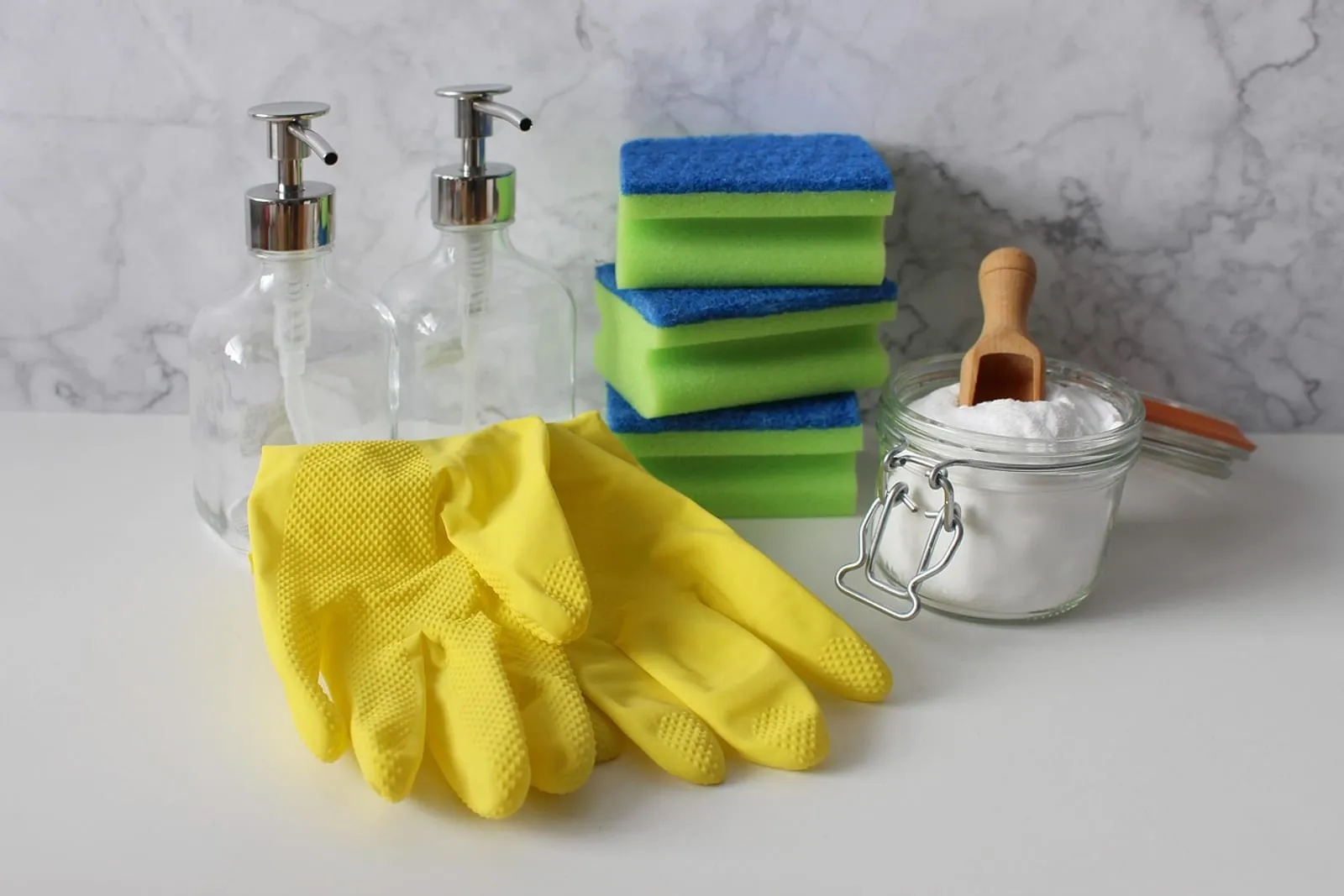
Use this chart to choose your first move, and only move to the last column if the residue is still tacky after a couple of minutes. A second chart further down lists what to avoid on each surface.
| Surface | Try first | If it is still sticky |
|---|---|---|
| Glass and ceramic | Hair dryer, then dish soap soak | Cooking oil, baking soda paste or vinegar |
| Hard plastic | Hair dryer on low, then cooking oil | Dish soap, then a dab of rubbing alcohol (test first) |
| Sealed wood | Hair dryer on low, then oil on a soft cloth | Damp soapy cloth and a plastic scraper |
| Metal (stainless, aluminum) | Hair dryer, then cooking oil | Rubbing alcohol or baking soda paste |
| Fabric | Freeze it, scrape, then dish soap | A dab of rubbing alcohol on colorfast fabric |
| Laptop | Peel, then 70% alcohol on a damp cloth | Tape lift |
The 9 Methods, Step by Step
Work from the gentlest method to the strongest. Wipe each product off with a clean cloth before you try the next one, so you never mix them.
Did you know?
Label glue is usually a pressure-sensitive adhesive, which grips through light pressure instead of drying or curing like regular glue. That is why it can stay tacky for a long time, and why warmth or a solvent loosens it far better than scrubbing.
1. Warm It With a Hair Dryer
Set the dryer to low heat and hold it 4 to 6 inches from the sticker for 20 to 30 seconds, moving it in small circles. Warm glue turns soft, so the label peels with much less residue. Pull slowly at a low angle, folding the sticker back on itself instead of pulling straight up. Hold the dryer farther away on thin plastic, which can warp.
2. Lift the Edge With Floss or a Plastic Card
After warming, slide a length of dental floss under the sticker and saw it back and forth, or push the edge of an old gift card under the corner. A card scrapes off gummy leftovers without scratching glass or most metals.
Round the corners
Trim the corners of an old gift card with scissors. The rounded edge slides under labels easily and will not dig into a tabletop or a painted lid.
3. Cooking Oil
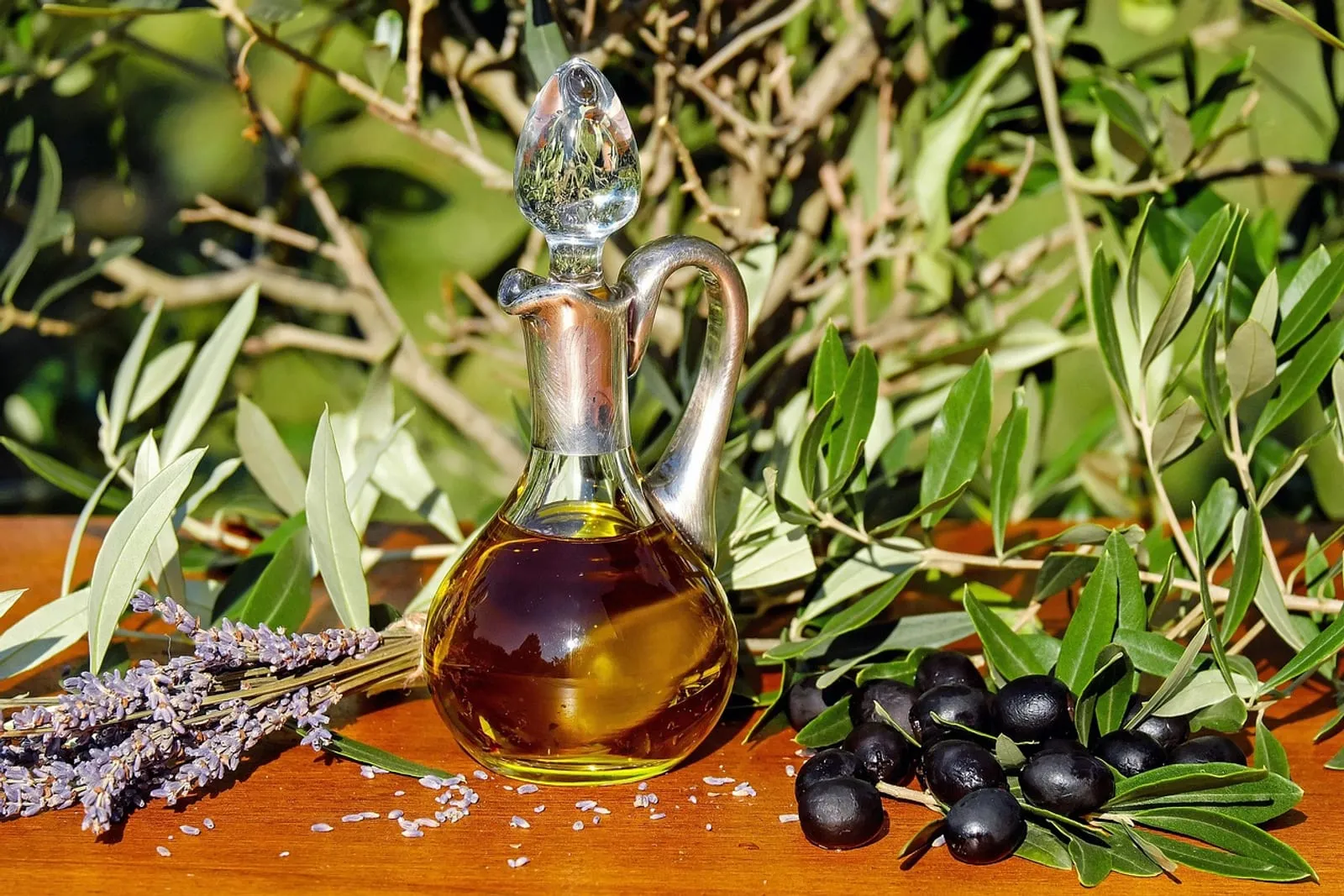
Put a few drops of olive, vegetable or coconut oil on a cotton pad or paper towel and press it on the residue for 5 to 10 minutes. The oil seeps into the glue and softens it, so you can rub it away in small circles. For a stubborn label on a jar, soak a paper towel in oil, wrap it around the label and wait 15 to 20 minutes. Wash off the oily film with warm water and a drop of dish soap.
4. Dish Soap and Hot Water
Add a few drops of dish soap to a bowl of hot water and soak the item, or lay a soaked cloth over the sticker for 10 to 15 minutes. Then rub with a sponge. It is the best choice for paper labels on glass jars, dishes and plastic containers, including new glass containers like the ones in our beginner meal prep guide. Skip it on raw wood and electronics.
Warm the label from inside
Fill the jar with hot tap water, screw the lid on and let it sit for 10 minutes. The glass heats the label from behind, and the sticker often slides off in one piece.
5. Rubbing Alcohol
Dampen a cloth or cotton ball with 70% isopropyl alcohol. Do not soak it. Hold it on the residue for 30 to 60 seconds, then rub. Alcohol dissolves the glue quickly and evaporates without leaving a film, which makes it a favorite for glass, metal and laptops. On plastic and finished wood, test first, because alcohol can cloud some plastics and dull some finishes.
6. White Vinegar
Soak a paper towel in white vinegar and lay it on the residue for 10 to 15 minutes. The mild acid softens the glue on glass, ceramic and stainless steel. Rinse with water afterward. Avoid it on natural stone, unfinished wood and aluminum, where acid can etch or dull the surface.
Did you know?
Post-it notes exist because of a glue that was supposed to be stronger. In 1968, 3M chemist Spencer Silver ended up with a weak, repositionable adhesive instead, and years later colleagues turned it into sticky notes. Permanent labels are designed for the opposite result, which is why they leave a mess behind.
7. Baking Soda Paste
Stir 1 tablespoon of baking soda with 1 teaspoon of oil (or a little water) into a spreadable paste. Rub it on with your fingertip or a cloth in small circles. The oil softens the glue while the baking soda gently lifts the crumbs. Rinse well. It works on glass, ceramic, stainless steel and sturdy plastic containers, but skip it on glossy plastic, polished metal and screens, where it can leave faint scratches.
8. Tape Lift or Thumb Rub
For light residue, press a fresh strip of masking, packing or duct tape onto the sticky patch, rub it down firmly and peel it off. Fresh glue grabs old glue. Or rub briskly with your dry thumb, and the residue rolls into little crumbs you can brush away. This works well on cardboard, painted surfaces and laptop lids.
9. Freeze It (For Fabric)
Got a sticker on a tee, towel or tote? Slip the item in the freezer for 30 minutes, or press an ice pack against the spot for a few minutes. Cold makes the glue brittle, so it flakes off. Scrape gently with a dull edge, rub a drop of dish soap into any leftovers, rinse and wash as the care label says.
What NOT to Use on Each Surface
Most damage comes from the cleaner, not the sticker. Check this list before you reach for the strongest product in the cabinet.
| Surface | Skip this | Why |
|---|---|---|
| Glass | Metal blades and steel wool on coated, tinted or printed glass | They scratch coatings and printed designs |
| Plastic | Acetone or nail polish remover | Acetone can melt, cloud or crack many plastics |
| Wood | Soaking, vinegar and alcohol; oil on raw wood | Water leaves marks, acid and alcohol can dull finishes, and raw wood absorbs oil |
| Metal | Steel wool and scouring powder on stainless or brushed metal | They leave scratches that are hard to hide |
| Fabric | Dryer heat before the glue is gone; acetone | Heat can melt glue deeper into fibers, and acetone dissolves acetate and some synthetics |
| Laptop | Spray cleaners, bleach, soaking and abrasives | Liquid can seep into openings and abrasives wear off the finish |
Special Cases: Laptops, Fabric and Wood
A few surfaces need extra care because mistakes cost more.
Laptops
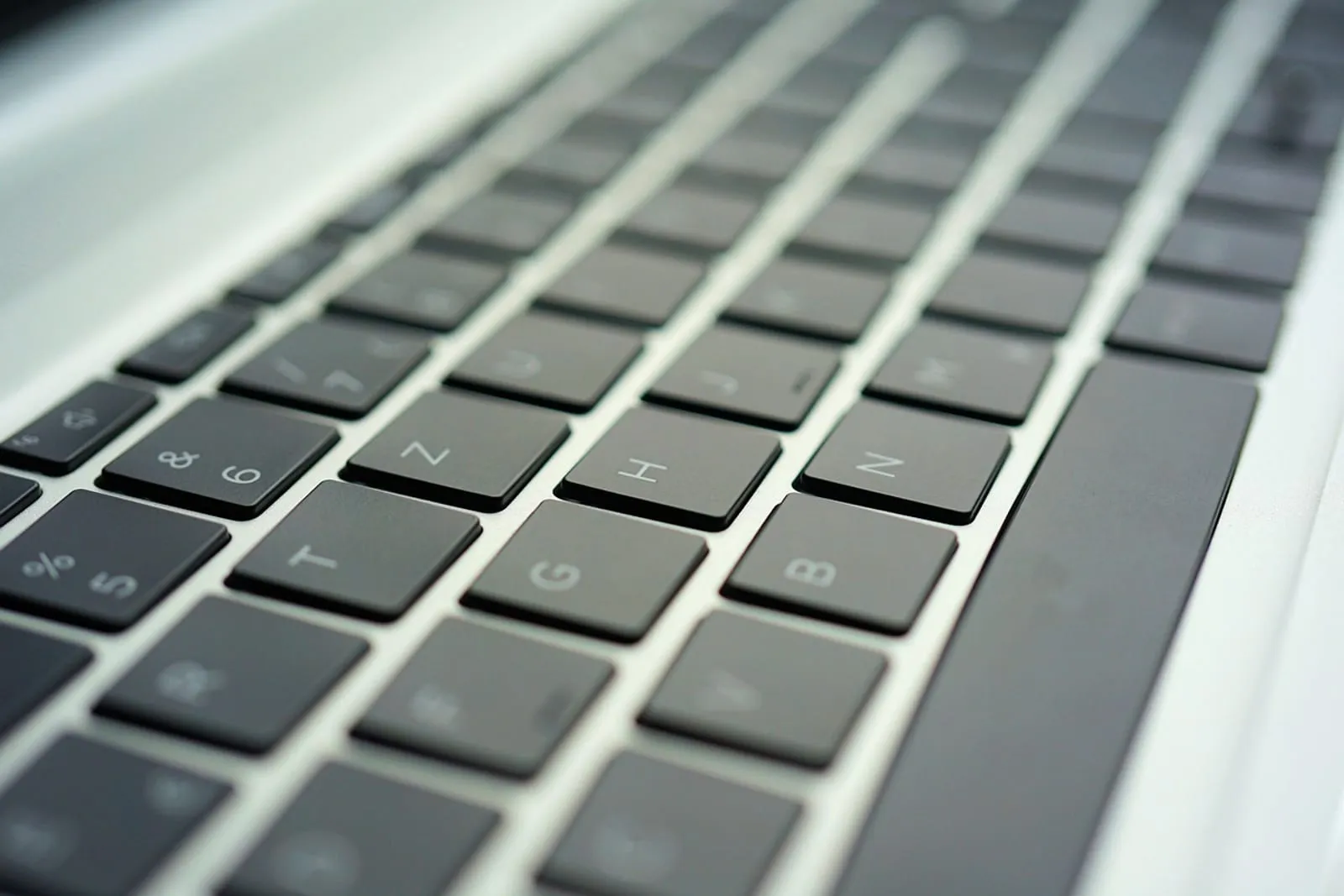
Shut the laptop down and unplug it. Peel the sticker slowly, then dampen a lint-free cloth with 70% isopropyl alcohol and rub the residue gently, working away from ports, vents and keys. For everyday smudges and crumbs, our guide to cleaning a laptop keyboard safely covers the rest.
Did you know?
Apple’s cleaning guidance says a 70 percent isopropyl alcohol wipe can gently clean the hard, nonporous surfaces of its devices, and it warns against spraying liquid on the computer or using aerosol sprays, solvents and abrasives. See Apple’s cleaning guide, and check your manual if your laptop is another brand.
Fabric
New towels, sheets and clothes often arrive with a price sticker. Remove the sticker residue before the item goes in the dryer, since heat can melt leftover glue into the fibers. Once it is clean and dry, fold bedding properly so it stays neat in the closet. Our guide on how to fold a fitted sheet covers the trickiest piece.
Sealed Wood
Warm the sticker, peel it, and rub the leftovers with a dab of oil on a soft cloth. Then wipe with a barely damp, soapy cloth and dry the spot right away. On unfinished wood, skip the oil and use a plastic scraper held flat, plus a lightly damp cloth.
Troubleshooting: If the Residue Will Not Budge
Stubborn residue usually needs a second round, not harder scrubbing.
The Glue Smears Instead of Lifting
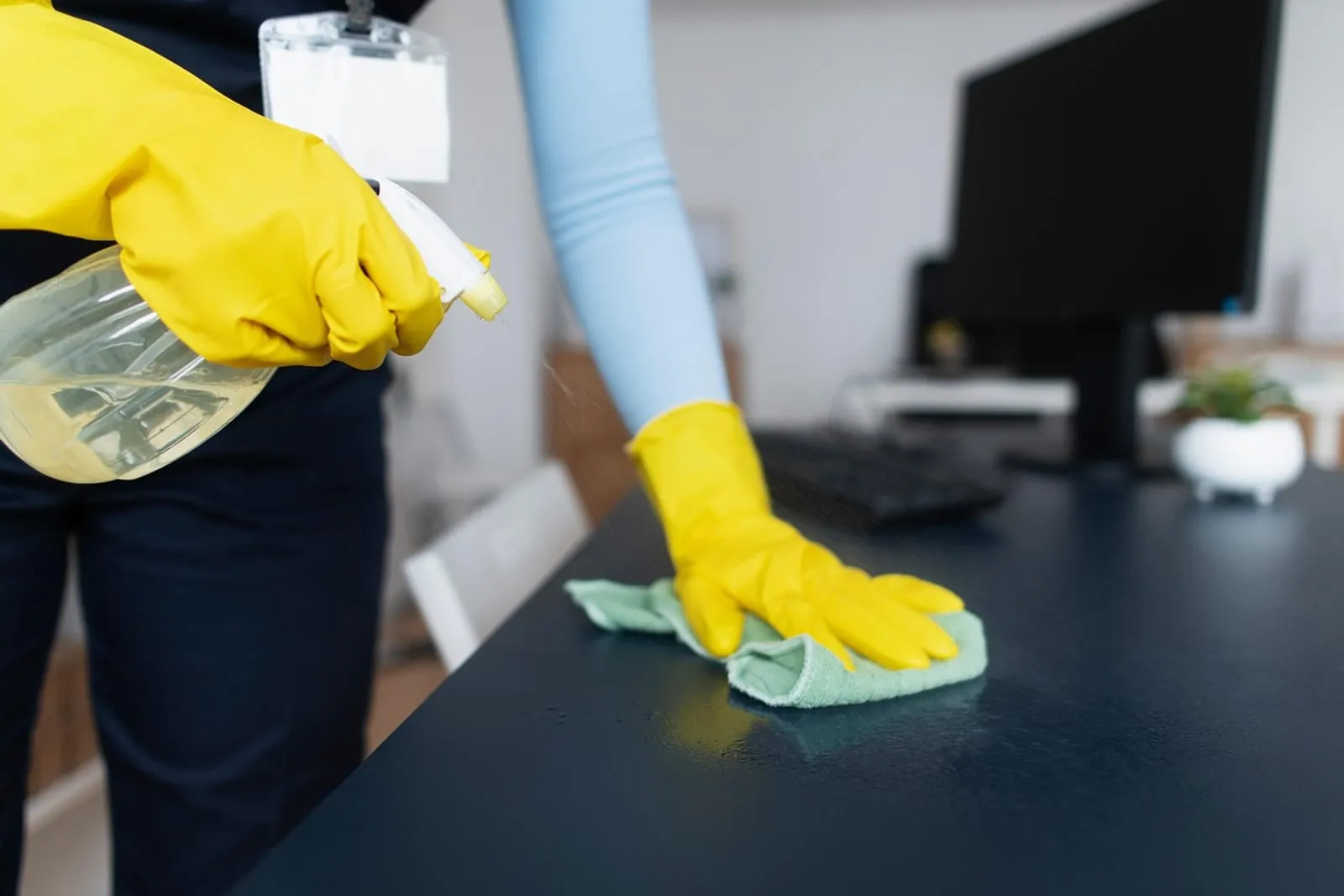
The residue is probably too cold or too thick. Warm it again with the hair dryer, scrape off the bulk with a plastic card, then go back to oil or alcohol on a clean cloth.
A Greasy Film Is Left Behind
That is leftover oil. Rub the spot with warm water and dish soap, or wipe glass with equal parts white vinegar and water for a streak-free finish.
There Is a White Haze or a Dull Patch
On glass, this is usually leftover residue and a fresh alcohol wipe clears it. On plastic or wood, it often means the finish reacted to the product. Stop, wash with mild soap and water, and do not scrub.
Old, Baked-On Residue
Combine methods. Warm it, wrap it in an oil-soaked paper towel for 30 minutes, then rub with baking soda paste. Two or three rounds work better than one hard scrub.
Your Next Step
Pick the one sticky spot you have been ignoring, grab a hair dryer and a bottle of cooking oil, and give it five minutes. When the jar or container is clean and label-free, put it to work. Our guide to meal prep for beginners shows how to fill a week of containers without the stress.
Frequently Asked Questions
What is the fastest way to remove sticker residue?
Does rubbing alcohol damage plastic?
Is it safe to use cooking oil on wood?
How do I get sticker residue off clothes or towels?
You might also like
More in How-To →
How to Fold a Fitted Sheet: 2 Easy Methods + Storage Tips
Learn how to fold a fitted sheet flat in a minute with the corner-tuck method, plus a quick roll, a pillowcase storage hack and closet tips. Try it tonight!
Meal Prep for Beginners: Plan and Prep a Week in 2 Hours
Meal prep for beginners made simple: plan, shop and cook a week of easy meals in about 2 hours, with a step-by-step timeline and storage chart. Start Sunday!

Apple Cider Vinegar Hair Rinse: Does It Work?
Does an apple cider vinegar hair rinse really make hair shinier? See the science, the safe ratio, how often to rinse and who should skip it. Try it once!