12 Evening Routine Ideas for Better Sleep and Calmer Mornings
Try these 12 evening routine ideas for better sleep and calmer mornings, from a screen cutoff to a 10-minute prep. Includes a 60-minute sample plan.
In this article
You’re tired all day, then wide awake at 11 p.m., scrolling, replaying emails and dreading the alarm. A simple evening routine fixes that by telling your body, one small step at a time, that the day is over. These 12 evening routine ideas take 2 to 15 minutes each, and you only need two or three to start.
Key takeaways
- Pick two or three ideas, not all twelve. A short routine you repeat beats a perfect one you skip.
- Turn screens off 30 to 60 minutes before bed and dim the lights so your brain gets the “night” signal.
- Keep the bedroom cool, dark and quiet, and take a warm shower earlier in the evening.
- Spend 10 minutes prepping tomorrow and a few minutes writing down what’s on your mind.
- A steady bedtime matters as much as anything on the list.
Why an Evening Routine Works
Your body runs on a roughly 24-hour internal clock, called the circadian rhythm, that responds to light, temperature and timing. Doing the same few calming things in the same order gives that clock a predictable signal that bedtime is coming.
Did you know?
The CDC recommends that adults get at least 7 hours of sleep a night, yet roughly one in three U.S. adults reports not getting enough rest or sleep. The agency’s sleep tips include a consistent bedtime, a quiet, dark, comfortable bedroom and no devices in the bedroom.
Before the ideas, drop three common myths that quietly wreck evenings:
| Myth | Fact |
|---|---|
| Scrolling in bed is a relaxing way to wind down | Bright light and endless content keep your brain alert. A paper book or a podcast with the screen off is a calmer swap |
| A long routine works better than a short one | A short routine you repeat every night is easier to keep, and the repetition itself becomes the cue. Start with 20 minutes |
| A warm, cozy room helps you sleep | Your body temperature drops as you fall asleep, and many sleep experts suggest a cool bedroom of roughly 60 to 67°F |
Evening Routine Ideas to Set the Scene
Start with your environment. Light, screens and temperature do a lot of the work before you do anything else.
1. Set a Screen Cutoff
Aim to switch screens off 30 to 60 minutes before bed. Bright, blue-rich light can delay your sleep signals, and email, news and social feeds keep your mind busy. If you can’t go fully offline, move to a paper book or a podcast with the screen turned off.
Quick hack: a wind-down alarm
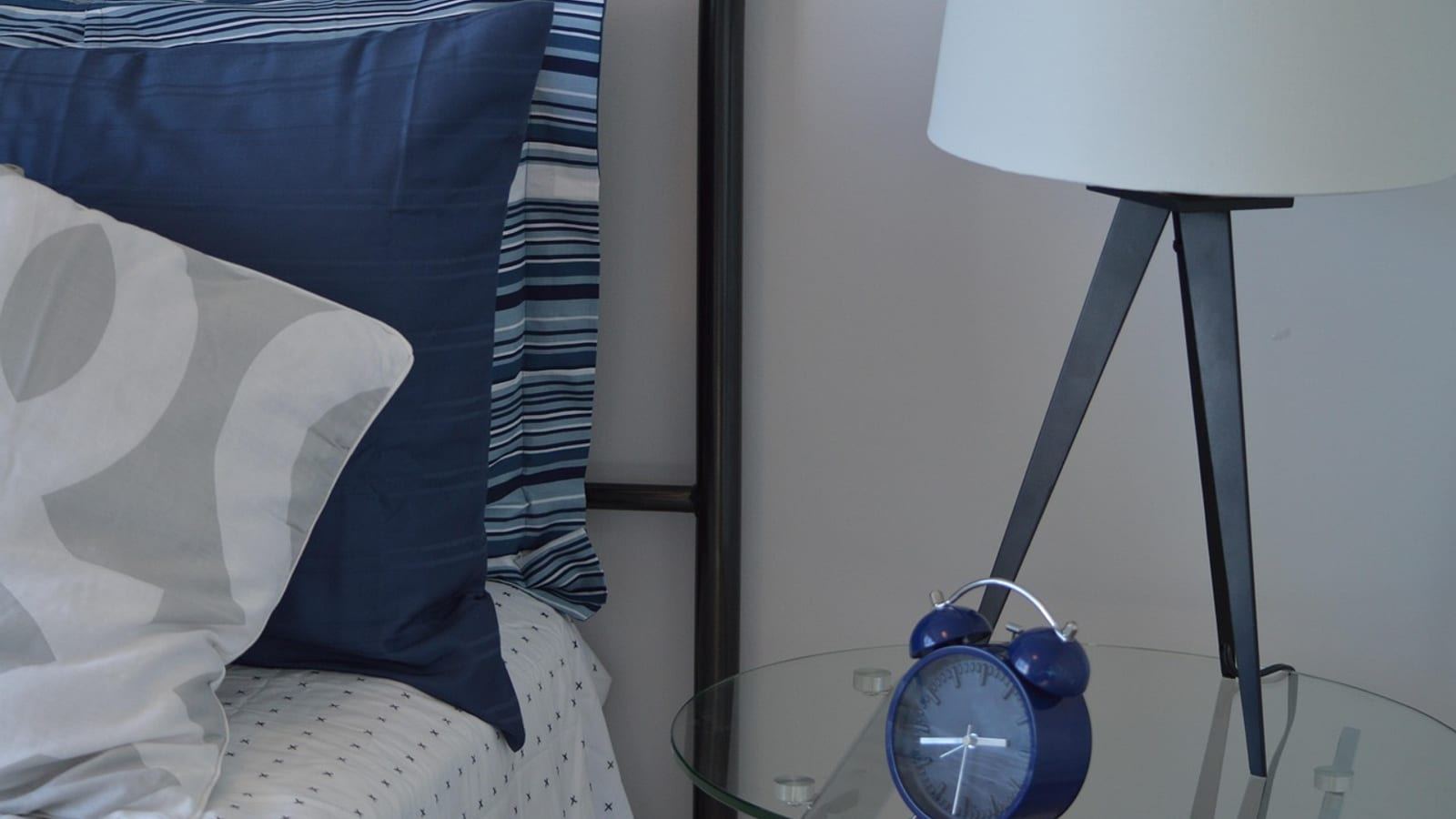
Set a daily phone alarm named “Wind down” 45 minutes before bed. When it rings, plug the phone in somewhere outside the bedroom. A basic alarm clock can replace the phone as your wake-up call.
2. Dim the Lights
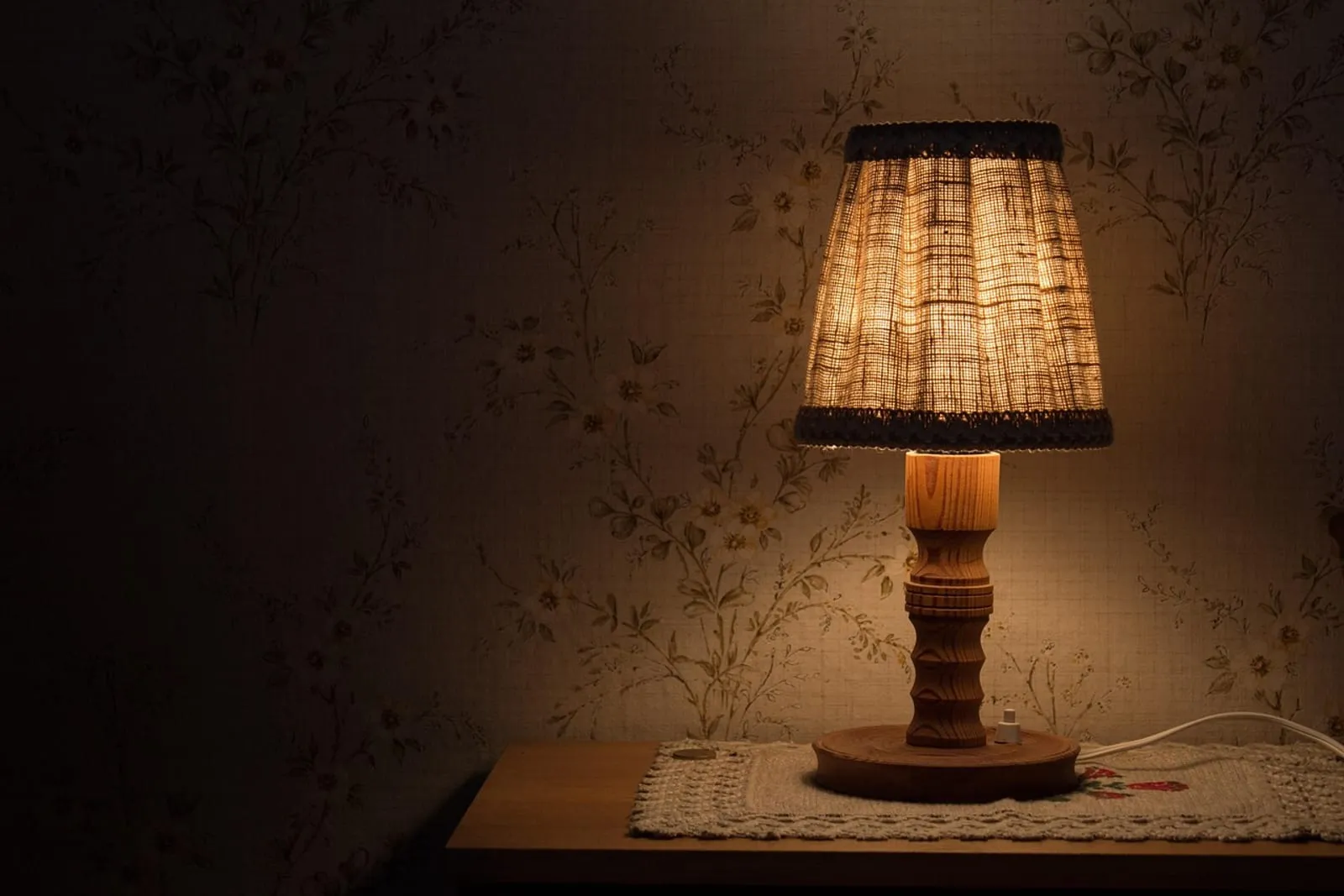
After sunset, turn off overhead lights and use lamps with warm bulbs. Light is the strongest cue for your internal clock, so a dimmer room makes drowsiness easier to feel.
Even room light counts
In a 2011 study by Harvard-affiliated researchers, ordinary room light before bedtime shortened the body’s melatonin signal by about 90 minutes compared with dim light.
3. Cool Down the Bedroom
Many sleep experts suggest a bedroom temperature of roughly 60 to 67°F, because your body temperature naturally drops as you fall asleep. Crack a window, use a fan or swap in lighter bedding.
Quick hack: wear socks
A small 1999 study in Nature, titled “Warm feet promote the rapid onset of sleep,” linked warmer feet and hands with falling asleep faster. Cool room, warm feet: a pair of socks is the easy way to get both.
4. Take a Warm Shower or Bath
A 2019 review in Sleep Medicine Reviews found that a warm shower or bath one to two hours before bed was linked to falling asleep faster and better sleep quality. Warm is enough; scalding water isn’t better. If your schedule is tight, a short shower still works as a clear “day is done” cue.
Get Tomorrow Ready in 10 Minutes
Half of evening stress is tomorrow’s loose ends. Handle them now, and your mind has less to chew on at night.
5. Prep Tomorrow in 10 Minutes
Run through this checklist with a timer:
- Lay out your outfit. It takes a minute when the closet isn’t a jam, so here’s how to declutter a small closet in one weekend.
- Pack your bag and put it by the door with keys and wallet.
- Prep breakfast or lunch, such as overnight oats or a filled coffee maker.
- Look at tomorrow’s calendar and pick your top three tasks.
Quick hack: a launch pad
Clear one hook or shelf near the door for everything you carry out each day. Mornings go faster when nothing is missing. For more ways to start the day calmly, see these morning routine ideas.
6. Do a Five-Minute Reset
Load the dishwasher, wipe the counters and clear the coffee table. You’re not deep cleaning; you’re making tomorrow’s first look at the kitchen a pleasant one.

Quiet Your Mind and Body Before Bed
These next steps slow your body and your thoughts. Pick the ones you enjoy.
7. Stretch Gently
Spend 5 to 10 minutes on slow stretches: neck rolls, a seated forward fold, child’s pose, and lying with your legs up the wall. Hold each for 30 to 60 seconds and breathe slowly. Keep it easy, not a workout. Stretching should feel like mild tension, never pain, so stop if something hurts. If you have an injury or a medical condition, check with your doctor first.
8. Write a Brain Dump or Gratitude Note
Spend five minutes writing on paper. Either list what’s on tomorrow’s to-do list, or write three good things from today.
Did you know?
In a small 2018 study from Baylor University, people who spent five minutes writing a to-do list for the coming days fell asleep about nine minutes faster than those who wrote about tasks they’d already finished.
9. Read Something on Paper
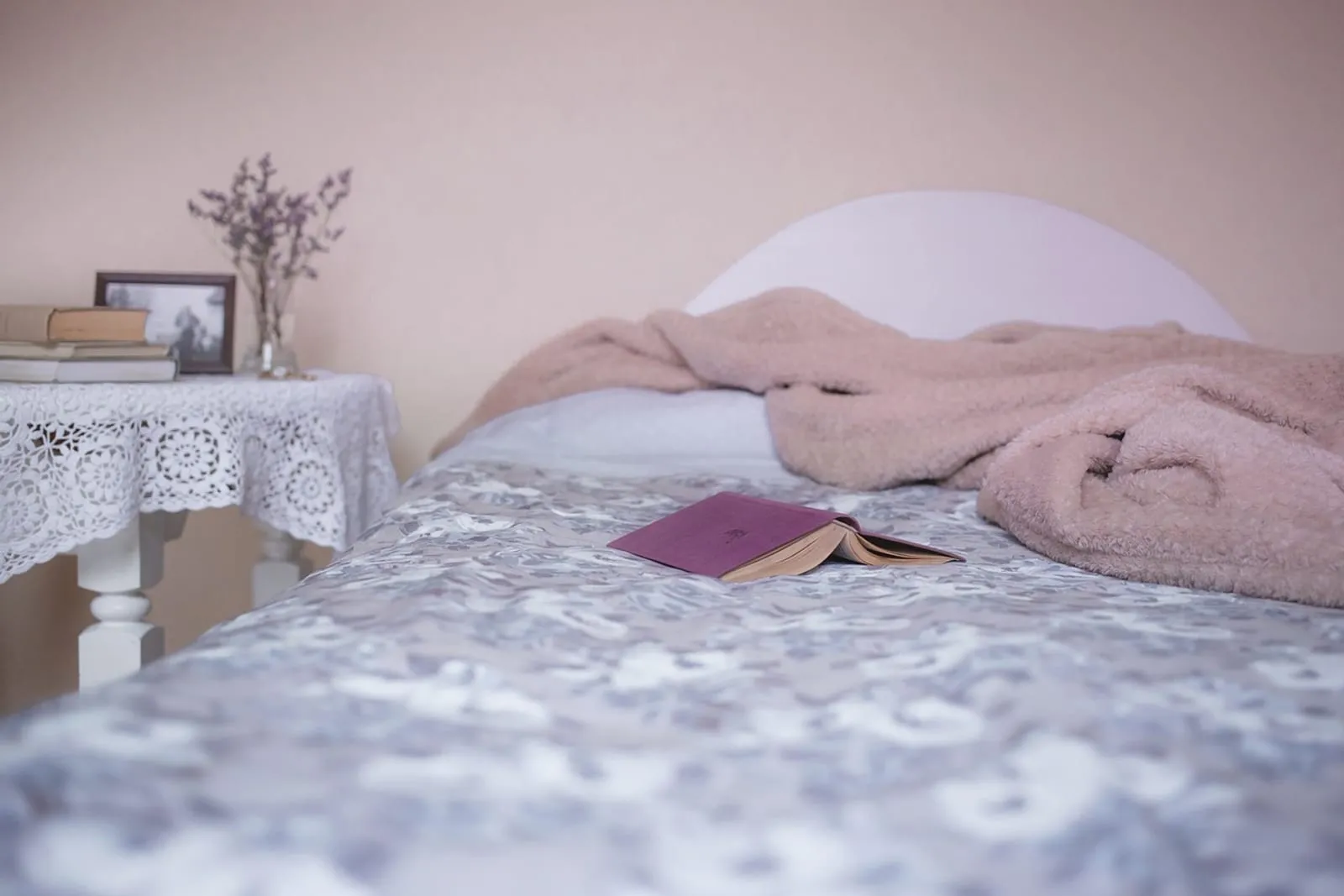
Fifteen minutes with a paperback or e-ink reader under a dim lamp is a classic wind-down. Pick something you enjoy but can put down easily, not a cliffhanger or a work book. Stop when your eyes feel heavy.
10. Swap Late Caffeine for a Warm Drink
Caffeine’s half-life averages about five hours, but it varies by person, so an afternoon coffee can still be partly active at bedtime. Try a caffeine-free herbal tea such as chamomile instead. The ritual of a warm mug matters more than the herb.
Alcohol isn’t a sleep aid
A nightcap may make you drowsy, but alcohol often disrupts sleep later in the night. The CDC’s sleep tips advise avoiding it, along with caffeine and large meals, close to bedtime.
Small Extras That Make It Stick
11. Add One Easy Self-Care Step
Wash your face, brush your teeth and add a simple skincare step, so the routine feels like a treat. If you have curls, a few minutes of hair prep protects them overnight: here’s how to sleep with curly hair without waking up to frizz.
12. Keep a Steady Bedtime Window
Go to bed at about the same time every night, weekends included. Count back from your wake-up time to land on at least 7 hours of sleep. If you need to shift earlier, move bedtime by 15 minutes every few days instead of an hour at once.
Which Evening Routine Ideas Should You Try First?
Match the idea to your biggest problem, then start with just those.
| If your problem is… | Start with |
|---|---|
| Lying awake with a busy mind | Brain dump (8), screen cutoff (1), reading (9) |
| Waking up tired | Steady bedtime (12), cool bedroom (3), caffeine swap (10) |
| Chaotic mornings | Prep tomorrow (5), five-minute reset (6) |
| Feeling wired and tense | Warm shower (4), stretching (7), dim lights (2) |
A Sample 60-Minute Evening Routine
Here’s a full routine for a 10:30 p.m. bedtime. Copy it, then trim anything that doesn’t suit you.

| Time | Minutes | Step |
|---|---|---|
| 9:30 | 3 | Screens off, phone on the charger, lamps on |
| 9:33 | 10 | Prep tomorrow: outfit, bag, lunch, calendar |
| 9:43 | 5 | Kitchen reset |
| 9:48 | 12 | Warm shower, face and teeth |
| 10:00 | 8 | Gentle stretching |
| 10:08 | 5 | Brain dump or gratitude note |
| 10:13 | 17 | Reading in bed with a dim lamp |
| 10:30 | Lights out |
Short on time? Keep the three core steps: screens off, prep tomorrow and 10 minutes of reading. That’s a 25-minute routine that still works.
If You Still Can’t Fall Asleep
| Problem | Try this |
|---|---|
| Lying awake for more than 20 minutes | Get up, keep the lights low and read until you feel sleepy |
| Racing thoughts | Write them down on paper, then close the notebook |
| Waking at 3 a.m. | Avoid checking your phone, keep the room dark and breathe slowly |
| Noisy home | Try earplugs or steady white noise |
| Feeling wired at night | Move caffeine earlier and finish workouts a few hours before bed |
If you regularly struggle to sleep, snore loudly or feel exhausted despite seven or more hours, talk to your doctor. The NIH’s sleep health pages explain common sleep problems.
Your Next Step
Tonight, pick just two ideas: set a “Wind down” alarm and spend 10 minutes prepping tomorrow. Repeat for a week, then add one more. A calm evening sets up a calmer start, so when you’re ready, move on to our morning routine ideas.
Frequently Asked Questions
What is a good evening routine?
How long should an evening routine be?
How many hours of sleep do adults need?
What should I avoid doing before bed?
You might also like
More in Home & Life →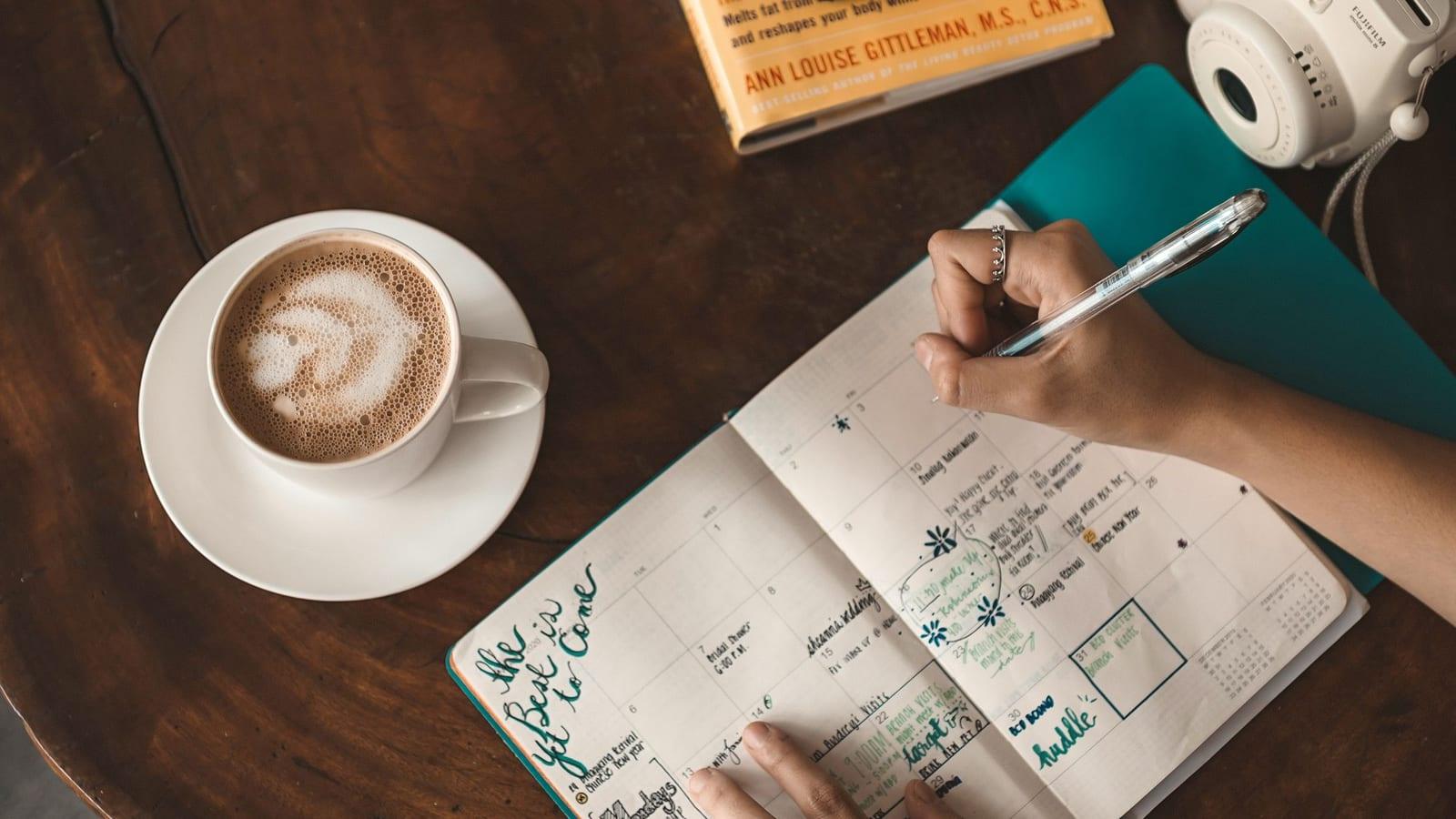
15 Morning Routine Ideas for a Calmer, More Productive Day
Try these 15 morning routine ideas for a calmer, more productive day: simple habits that take 2 to 15 minutes, plus three sample routines. Find your fit!

How to Declutter a Small Closet in One Weekend (Step by Step)
Learn how to declutter a small closet in one weekend: empty it, sort it, use the hanger trick and add vertical storage. Start Saturday morning!

Apple Cider Vinegar Hair Rinse: Does It Work?
Does an apple cider vinegar hair rinse really make hair shinier? See the science, the safe ratio, how often to rinse and who should skip it. Try it once!