Co-Washing Curly Hair: How to Do It and Who It's For
Co-washing curly hair can leave curls soft, but it isn't for everyone. Learn how to do it, who it suits and when you still need shampoo. Read before you try!

In this article
Co-washing curly hair sounds perfect: skip the stripping shampoo, use conditioner and get softer curls. For some people it works exactly like that. For others it means greasy roots, an itchy scalp and curls that won’t clump by day three. This guide explains what a co-wash really does, who it suits (and who should skip it), how to do it step by step and the signs that it’s time for a cleansing shampoo.
Key takeaways
- A co-wash cleans with conditioner or a cleansing conditioner instead of shampoo. It is gentler and less thorough.
- It tends to suit dry, coarse or coily hair best. Fine, oily or low-density waves often need shampoo at every wash.
- Massage the scalp for 60 seconds and rinse for two minutes. Leftover conditioner is the main cause of buildup.
- Most people still need a cleansing shampoo every one to four weeks. Co-washing is a tool, not a rule for life.
- An itchy, flaky or sore scalp that doesn’t settle deserves a visit to a dermatologist.
What Co-Washing Curly Hair Is (and Isn’t)
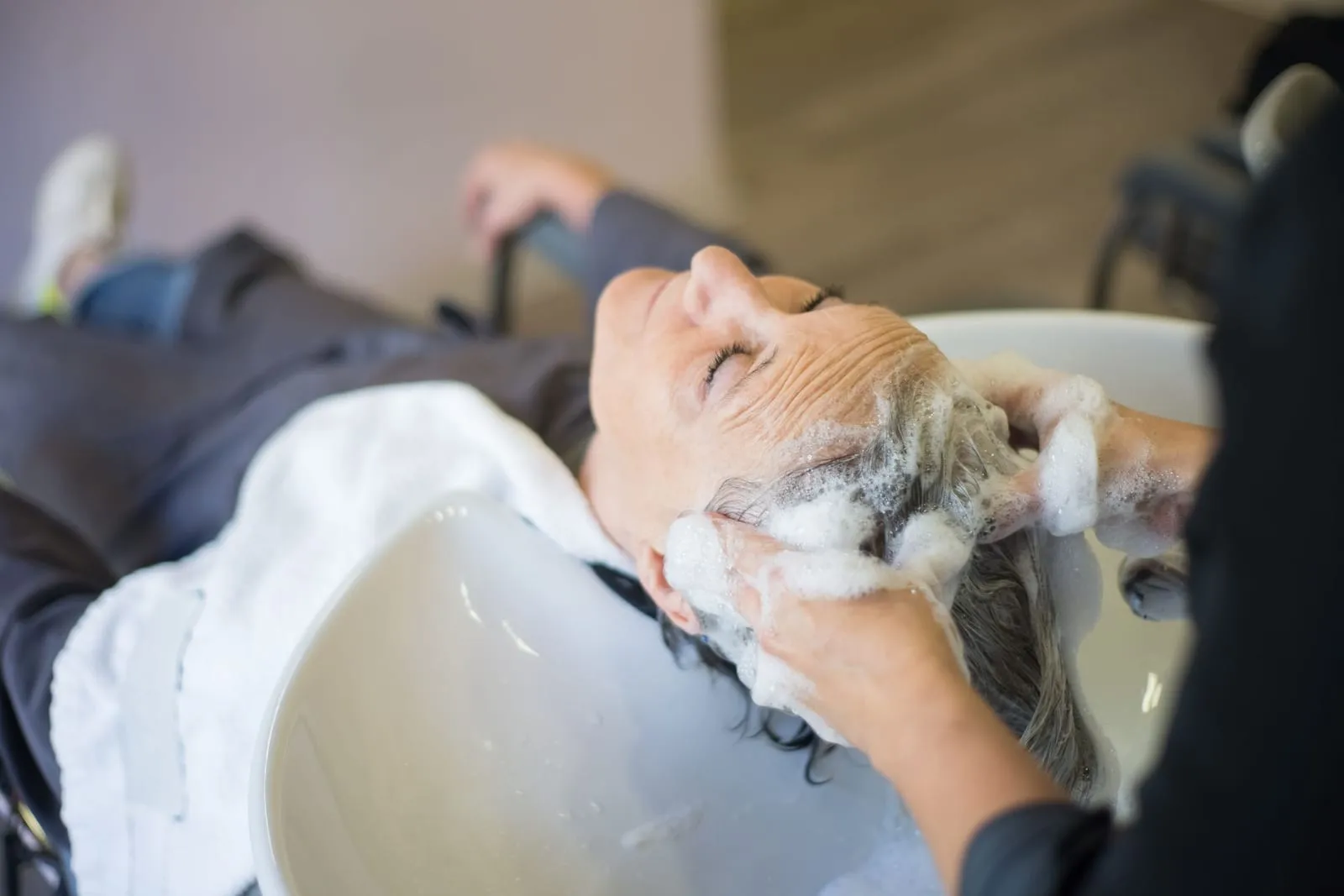
“Co-wash” is short for conditioner wash. Instead of lathering up with shampoo, you massage conditioner into wet hair and scalp, then rinse. Conditioners contain emulsifiers that can loosen a little oil and dirt, but they are built to soften and detangle, not to cleanse. Much of the cleaning comes from warm water and the friction of your fingertips.
The method is a pillar of the Curly Girl Method, though many modified versions now allow a gentle shampoo too. Here is how the main options compare.
| Wash type | What it is | Cleaning power | Best for |
|---|---|---|---|
| Co-wash with lightweight conditioner | Regular rinse-out conditioner used as a wash | Lightest | Refreshing dry hair between shampoos |
| Cleansing conditioner | Conditioner with a little mild cleanser | Light | Same as above, with slightly more cleaning |
| Low-lather or sulfate-free shampoo | Gentle shampoo | Moderate | Regular washes for most curls |
| Clarifying shampoo | Stronger shampoo | Deepest | Buildup, hard water, swimming |
Did you know?
Hair carries a slight negative electrical charge, and many conditioning ingredients carry a positive one, so they cling to the hair. That cling is what makes conditioner soften and detangle, and it’s also why a quick rinse can leave a film behind.
Who Co-Washing Suits (and Who Should Skip It)
Co-washing isn’t a better way to wash. It’s a different trade-off: you gain moisture and slip, and you give up some cleaning power. Whether that is worth it depends on your scalp and your hair.
| Your hair and scalp | Co-wash fit | Why |
|---|---|---|
| Dry, coarse or coily (3C-4C) | Often a good fit | Oil travels slowly down tight coils, so the lengths run dry and a gentle wash helps keep moisture |
| Medium-density curls (3A-3B) | Good between shampoos | Alternate with a gentle shampoo and see how your scalp responds |
| Fine or low-density waves (2A-2C) | Often a poor fit | Light hair gets weighed down and looks flat or greasy fast |
| Oily or sweaty scalp | Poor as the main wash | Oil and sweat need a real cleanser |
| Heavy gels, butters, oils or silicones | Poor on its own | Water-insoluble products stack up without regular shampoo |
| Hard water | May fall short | Mineral deposits can build up and conditioner may not lift them |
| Itchy, flaky or sore scalp | See a dermatologist | It could be dandruff or another scalp condition |
Did you know?
Sebaceous (oil) glands are most densely packed on the face and scalp. That’s why roots can look oily by day two even when your ends feel like straw.
Itchy, oily or flaky? Our guide to itchy, oily and flaky scalp helps you sort out what’s going on before you change your routine.
How to Co-Wash Curly Hair, Step by Step
Set aside about 10 minutes. The steps are the same for every curl type, and only the amounts change.
Did you know?
The word shampoo comes from the Hindi word champo, meaning to press or knead. It originally described a head massage, which is exactly what a good co-wash needs.
- Wet your hair thoroughly with warm water, not hot. Hot water can irritate the scalp.
- Section thick or coily hair into four parts so conditioner reaches every part of the scalp.
- Apply lightweight conditioner or cleansing conditioner. Use about a golf-ball-size amount for shoulder-length hair and more for long or very dense hair. Start at the scalp.
Now the part that does the cleaning.
- Massage for a full 60 seconds with the pads of your fingertips, not your nails. Use small circles all over, including the nape and behind the ears.
- Work the rest through the lengths and detangle with your fingers or a wide-tooth comb. Our guide to detangling curly hair without breakage covers the technique.
- Rinse for one to two minutes, until your hair no longer feels slippery or coated.
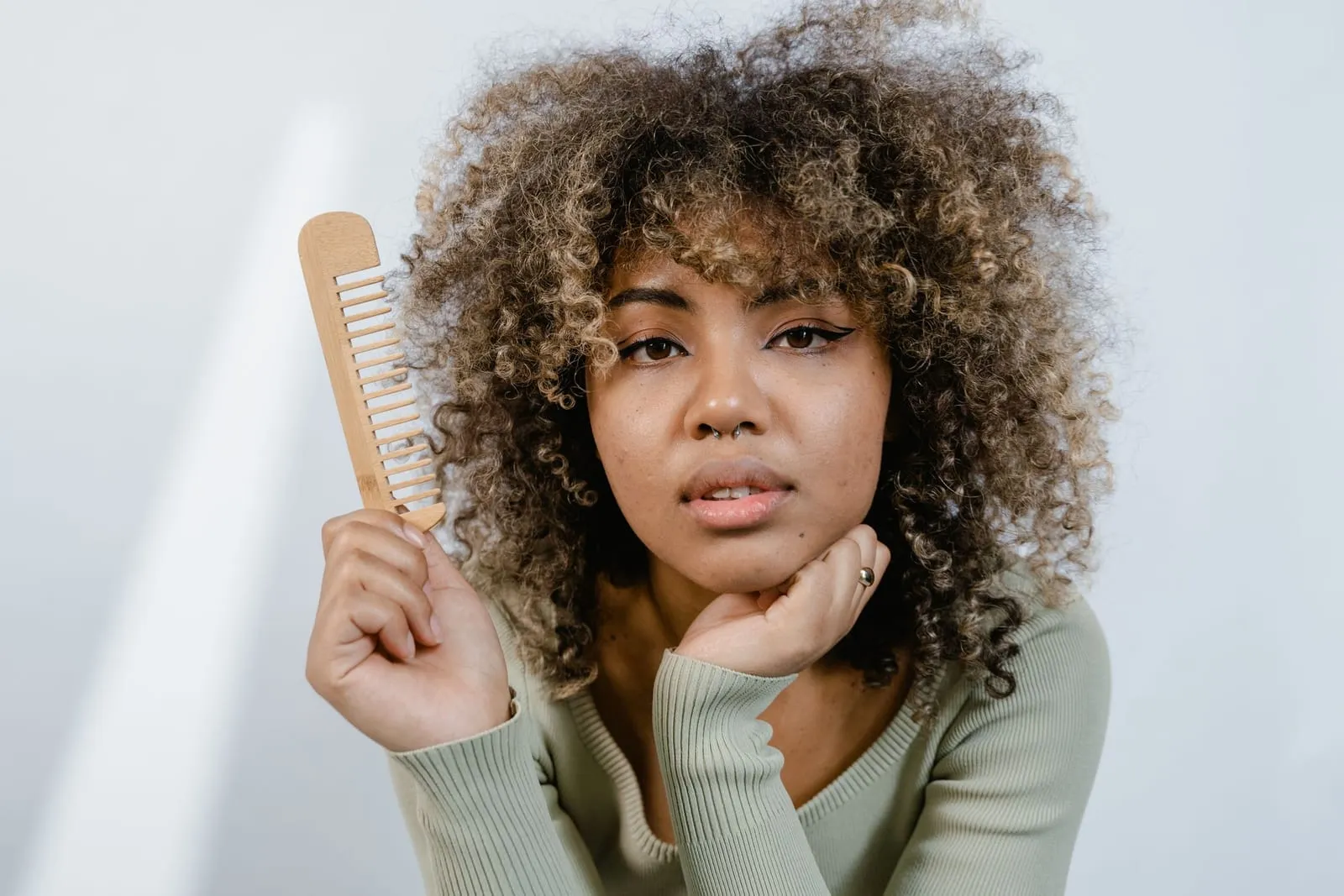
Two details decide whether a co-wash works: how evenly the conditioner reaches your scalp and how well you rinse it out. This trick helps with both.
Quick hack
Mix one part conditioner with two parts warm water in a squeeze bottle and apply it to your scalp. The thinner mix spreads evenly and rinses cleaner. Mix a fresh batch each wash and don’t store it, because diluted products can lose preservative protection.
How Often to Co-Wash (and When to Shampoo)
There is no universal schedule. These starting points reflect how most curl types behave, and you can adjust them based on how your scalp feels by day three. For a full week mapped out, see our weekly curly hair routine.
| Hair and lifestyle | Starting schedule |
|---|---|
| Dry, coily 3C-4C | Gentle shampoo every one to two weeks, with one or two co-washes in between |
| Medium-density 3A-3B | Gentle shampoo weekly or every second wash, with a mid-week co-wash |
| Fine or oily 2A-3A | Shampoo at every wash and keep conditioner on the lengths |
| Heavy product use, swimming or hard water | Shampoo weekly and clarify every two to four weeks |
Quick hack
Shampoo only your scalp, rinse, then co-wash your lengths. The suds that run down are enough to clean the ends, and the conditioner protects them. This split gives you a clean scalp without drying the lengths.
Low porosity hair is the type most likely to hold onto residue. If water beads on your strands, check low vs. high porosity hair before you add more conditioner.
When Co-Washing Isn’t Working: Signs and Fixes
If your hair feels worse after a few weeks, match the symptom to the likely cause.

| Symptom | Likely cause | Fix |
|---|---|---|
| Greasy roots within a day or two | Too much conditioner at the scalp, or a scalp that needs a real cleanser | Use less at the roots or switch to a gentle shampoo |
| Itchy, flaky or tingling scalp | Product left on the scalp, or an underlying scalp condition | Rinse longer; see a dermatologist if it lasts |
| Limp, stringy curls that won’t clump | Residue weighing hair down | Use a clarifying shampoo, then restart with a lighter conditioner |
| Hair feels coated, waxy or dull | Buildup from conditioner, silicones or oils | Clarify, then rinse for two full minutes |
| Gel or curl cream seems to sit on top | Buildup blocking absorption | Clarify and use lighter products |
Don’t push through scalp trouble
If co-washing leaves your scalp itchy, flaky or sore for more than a couple of weeks, or you notice more shedding than usual, stop and see a board-certified dermatologist. The American Academy of Dermatology has more on hair and scalp care.
Sweat is a separate problem, and it doesn’t always call for a full wash day.
Quick hack
After a workout, rinse your scalp with warm water and massage for 30 to 60 seconds without product. This is often enough to remove sweat, though it won’t clear heavy oil or product.
Co-Washing Myths vs. Facts
A lot of co-wash advice online is stated as a rule. Here is what holds up and what doesn’t.

| Myth | Fact |
|---|---|
| Co-washing means you never need shampoo again | Even people who co-wash regularly need an occasional cleansing wash to remove buildup and scalp oil. |
| Co-washing trains your scalp to make less oil | There’s little evidence that wash frequency changes how much oil your glands make. It changes how much oil sits on the hair between washes. |
| Any conditioner works as a co-wash | Heavy, buttery formulas weigh hair down and are hard to rinse. Choose lightweight ones. |
| Co-washing is only for coily hair | Some wavy and curly types like it too. Your scalp decides, not your curl pattern. |
| A co-wash makes hair healthier | It can keep dry hair softer, but hair health also depends on handling, heat, and the rest of your routine. |
Try the free tool
Not sure how often to co-wash? Our Curly Hair Wash Day Planner turns your curl type, porosity and goal into a 4-week schedule of shampoo, co-wash and deep conditioning days.
Your Next Step
For the next two weeks, swap one regular wash for a co-wash and note how your roots feel on day three. If they feel fresh, keep it. If they feel greasy or itchy, go back to a gentle shampoo and don’t count it as a failure. After either wash, drying matters too, so read our guide on how to diffuse curly hair for volume without frizz.
Frequently Asked Questions
Can I co-wash curly hair every day?
Is a co-wash the same as washing with regular conditioner?
Do I still need shampoo if I co-wash?
Does co-washing cause buildup?
You might also like
More in Hair Care →
A Simple Weekly Curly Hair Routine (Works for Wavy Hair Too)
Follow this simple weekly curly hair routine for soft, defined curls and waves, with wash day, refresh days and night care mapped out. Steal the schedule!
The Curly Girl Method for Beginners: How to Start in 2026
New to the curly girl method? This beginner's guide covers the rules, ingredients to avoid, the transition period and a 4-week starter plan. Start here!
How to Diffuse Curly Hair for Volume Without Frizz
Learn how to diffuse curly hair for big volume and no frizz: the right settings for 2A to 4C, the hover-and-cup method and fixes. Try it next wash day!