Stain Removal Chart: How to Get Out 12 Common Stains
Use this stain removal chart to treat coffee, red wine, blood, grease, ink and 7 more stains. Get the right water temperature and what to avoid. Save it!
In this article
- The Stain Removal Chart: 12 Stains at a Glance
- 7 Rules That Work on Every Stain
- Food and Drink Stains: Coffee, Red Wine, Chocolate and Ketchup
- Body Stains: Blood, Sweat and Deodorant
- Grease, Makeup, Ink, Grass and Rust
- Myth vs. Fact: Stain Removal Edition
- Build a 5-Minute Stain Kit
- If the Stain Won’t Budge
- Your Next Step
A drip of coffee on a white shirt, a splash of red wine on a favorite blouse, a ketchup dot on jeans: the clock starts the moment the stain lands. This stain removal chart shows exactly what to do for 12 common stains, which water temperature to use and what to avoid, so you can treat it right the first time.
Key takeaways
- Act fast and blot. Rubbing pushes the stain deeper and roughs up the fibers.
- Use cold water first, especially for blood, egg and milk. Heat can set protein stains.
- Keep the item out of the dryer until the stain is gone. Dryer heat can lock a stain in for good.
- Check the care label and test any product on a hidden seam before treating the stain.
- Never mix bleach with ammonia or vinegar.
The Stain Removal Chart: 12 Stains at a Glance
Find your stain, follow the row, then jump to the details below. “Oxygen bleach” means a color-safe powder bleach, not chlorine bleach. Always test on a hidden spot first.
| Stain | Water | Treat with | Watch out |
|---|---|---|---|
| Coffee or tea | Cool | Liquid detergent; oxygen bleach soak if it lingers | Drying before it is gone |
| Red wine | Cold | Blot, then detergent; oxygen bleach on whites and colorfast items | Rubbing |
| Blood | Cold | Enzyme detergent; 3% hydrogen peroxide on whites | Hot water |
| Grease or oil | Warm, if the label allows | Cornstarch or baking soda, then dish soap | Water alone |
| Grass | Cool to warm | Enzyme detergent; rubbing alcohol on whites | Dryer heat |
| Lipstick or mascara | Warm | Dab with rubbing alcohol or dish soap | Smearing it outward |
| Sweat yellowing | Warm | Baking soda paste or oxygen bleach soak | Chlorine bleach |
| Deodorant marks | Warm | Dry cloth for fresh streaks; vinegar dab for buildup | Dryer heat |
| Ballpoint ink | Cool | Rubbing alcohol, with a towel under the stain | Hairspray, dryer heat |
| Chocolate | Cool, then warm | Scrape, rinse cool, detergent | Hot water first |
| Rust | Room temperature | Lemon juice and salt, or a rust remover made for fabric | Chlorine bleach |
| Ketchup or tomato | Cold | Scrape, rinse, detergent; oxygen bleach for leftover tint | Dryer heat |
Screenshot this chart. It is the one you will want when the spill happens.
7 Rules That Work on Every Stain
Whatever the stain is, these habits decide whether it comes out. Learn them once and you will use them for years.
-
Act fast. A fresh stain is far easier to remove than a set one. Even a quick rinse beats waiting until laundry day.
-
Blot, don’t rub. Press a clean white cloth or paper towel onto the spot. Rubbing spreads the stain and damages the fibers.
-
Treat from the back. Put a paper towel or cloth under the stain and flush water through from the wrong side, so the stain is pushed out, not through.
-
Read the care label. It lists the maximum water temperature and whether bleach is safe. A triangle with two diagonal lines means non-chlorine bleach only, and a crossed-out triangle means no bleach. “Dry clean only” means take it to a pro and point out the stain.
-
Test first. Dab any product on a hidden seam, wait about 5 minutes and check for color change.
-
Start cold. Cold water is the safer default, because heat sets many stains.
-
Air-dry and check. Wash, then let the item air-dry before the dryer. If a faint mark remains, repeat the treatment.
Why hot water backfires
Blood, egg and milk are protein stains. Heat can set protein so it bonds to the fibers, which is why these stains start with cold water. Enzyme detergents contain protease, an enzyme that breaks proteins down.
Food and Drink Stains: Coffee, Red Wine, Chocolate and Ketchup
Coffee and tea
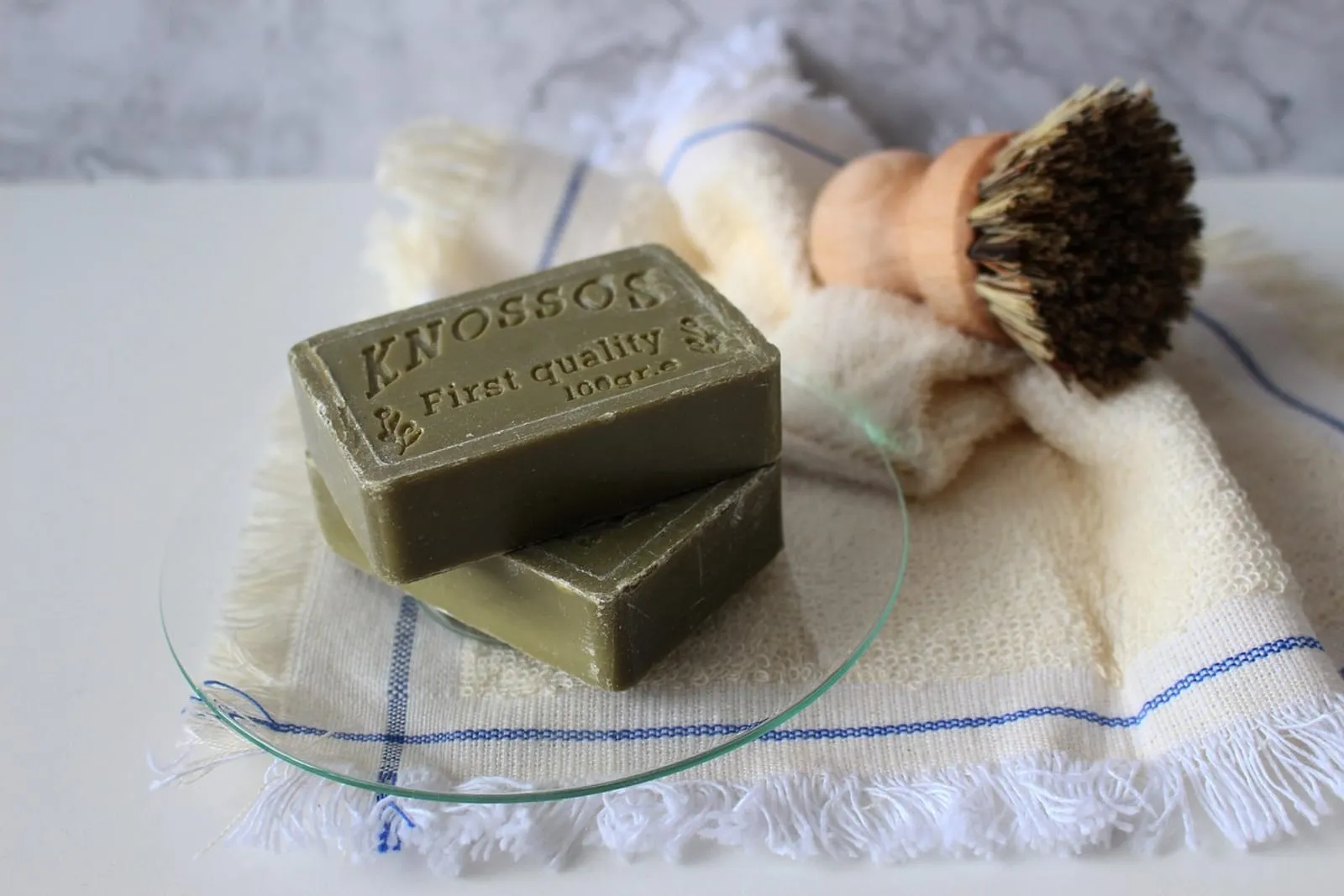
Blot, then flush from the back with cool water. Work liquid laundry detergent into the stain, wait 5 to 10 minutes and wash. For a dried stain, soak the item for 30 minutes in cool water with a squirt of detergent first. Milk in your coffee adds protein, so keep the water cool.
Red wine
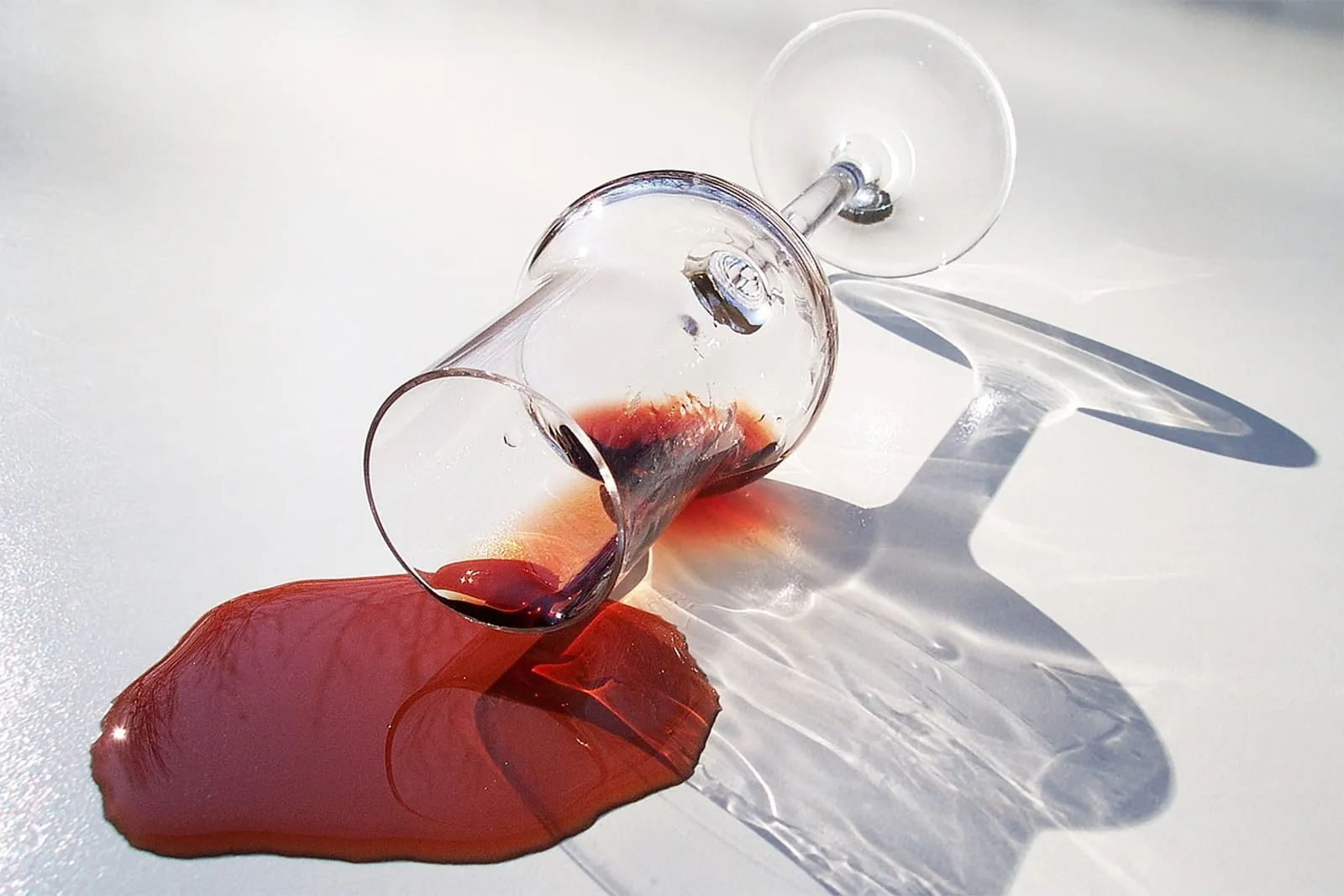
Blot without rubbing and flush from the back with cold water, then work in liquid detergent. On white or colorfast fabrics, soak the item in an oxygen bleach solution, following the package directions. Skip the salt and the white wine tricks; fast blotting and cold water matter more.
Chocolate
Scrape off solids with the dull edge of a spoon. Rinse from the back with cool water, rub in liquid detergent and wash in the warmest water the label allows. Chocolate contains fat and milk protein, so cool water goes first. If a greasy shadow remains, dab it with dish soap and wash again.
Ketchup and tomato
Scrape off the excess, rinse from the back with cold water, work in liquid detergent and wait 15 minutes before washing. If an orange tint is left on white or colorfast fabric, soak it in oxygen bleach before it goes near the dryer.
Why tomato leaves an orange ghost
Tomatoes get their red color from lycopene, a fat-soluble pigment. It dissolves in oil, which is why tomato sauce stains plastic containers and leaves a stubborn orange tint on fabric.
On white cotton, a free helper is already waiting outside.
Let the sun finish the job
If a faint orange or yellow tint stays on a white cotton item after washing, hang it to dry in direct sunlight. Sun helps fade leftover pigment. Keep colored fabrics in the shade, because sun fades dye.
Body Stains: Blood, Sweat and Deodorant
Blood
Rinse under cold running water from the back as soon as you can. Work in a detergent with enzymes, if you have one, and wash cold. On white or colorfast fabric, a dab of 3% hydrogen peroxide breaks the stain down: it fizzes, then rinse it out. Test first, since peroxide can lighten dyes. For a dried stain, soak in cold water with detergent for 30 minutes or more.
Sweat yellowing
Yellow underarm marks often come from sweat mixing with antiperspirant ingredients and building up in the fabric. Scrub a thick paste of baking soda and water in with a soft toothbrush, wait 30 minutes and wash. On whites, an overnight oxygen bleach soak can help. Skip chlorine bleach here, because on some fabrics it can make yellowing worse.
Deodorant marks
Fresh white streaks often come off with a dry cloth, dry sponge or a nylon stocking rubbed over the spot. For buildup, dab with a cloth dampened with white vinegar, then wash. Let your deodorant dry for a minute or two before you get dressed, and fewer marks transfer.
Grease, Makeup, Ink, Grass and Rust
Grease and oil
Blot, then cover the spot with cornstarch or baking soda. Wait 15 to 30 minutes so it can absorb the oil and brush it off. Rub a drop of dish soap into the stain, let it sit 10 minutes and wash in the warmest water the label allows. Dish soap is made to cut grease, which is why it works so well here.
Lipstick and mascara
Scrape off any excess with a spoon edge. Put a paper towel under the stain and dab with a cotton ball dipped in rubbing alcohol or dish soap, working from the outside edge toward the center so it does not spread. Rinse and wash.
Ballpoint ink
Place a paper towel or folded cloth under the stain, then dab with rubbing alcohol on a cotton ball. Switch to a clean part of the cotton as the ink lifts. Rinse and wash. Gel inks and permanent markers may not come out fully.
Grass
Work enzyme detergent into the stain, let it sit 15 to 30 minutes and scrub gently with a soft brush. On white or colorfast fabric, dab with rubbing alcohol before washing.
Rust
Rust is iron oxide, and regular detergent does not remove it. Chlorine bleach can make rust stains worse. On white or colorfast fabric, cover the stain with lemon juice and a pinch of salt, wait 30 minutes and rinse. A rust remover made for laundry also works: wear gloves, ventilate and follow the label.
Protect the other side
Slide a piece of cardboard or a folded towel inside a sleeve or pocket before you dab ink or grease. It stops the stain and the cleaner from soaking through to the other layer.
Myth vs. Fact: Stain Removal Edition
| Myth | Fact |
|---|---|
| Rub hard to lift the stain | Rubbing pushes it deeper and damages fibers. Blot or dab. |
| Hot water kills every stain | Heat can set protein stains like blood, egg and milk. Start cold unless the label and the stain say otherwise. |
| Hairspray removes ink | Many modern formulas contain less alcohol than older ones and leave residue. Rubbing alcohol works better. |
| White wine cancels out red wine | There is no good evidence for it. Blot quickly and rinse with cold water instead. |
| If it looks gone when wet, it is gone | Stains can reappear as the fabric dries. Air-dry and check before the dryer. |
| Chlorine bleach fixes every white stain | It does not remove rust, can worsen yellowing and is dangerous to mix with other cleaners. |
Build a 5-Minute Stain Kit
Stains do not wait for a shopping trip. Keep these in one basket near the washer:
- Liquid laundry detergent, ideally with enzymes, and dish soap
- Oxygen bleach powder
- 3% hydrogen peroxide
- Rubbing alcohol
- Baking soda and cornstarch
- White vinegar
- An old toothbrush and a few white cloths or paper towels
Never mix cleaning products
Do not combine bleach with ammonia, vinegar or rubbing alcohol, because they can release toxic gases. Hydrogen peroxide and vinegar mixed in one container form an irritating acid. Use one product at a time, wear gloves, rinse well between products and open a window. If you breathe in fumes, get fresh air and call Poison Help at 1-800-222-1222 (poison.org).
If the Stain Won’t Budge
- It looks gone, then returns as it dries: Some residue is still in the fibers. Repeat the treatment and air-dry again.
- It already went through the dryer: Heat-set stains are tough. Try a long soak in an oxygen bleach solution, if the label allows, and repeat. It may not fully fade.
- A lighter patch appears: That is lost dye, not a stain. Test on a hidden seam next time.
- The tag says dry clean only: Do not DIY with water. Take it to the cleaner, point out the stain and tell them what caused it.
- It is sticky, not colored: That is adhesive residue, not a stain. See how to remove sticker residue.
Your Next Step
Build the stain kit this weekend, then put a printed or screenshot copy of this chart where you do laundry. The next time a spill happens, blot it, rinse it cold from the back and keep it away from the dryer until it is gone.
While the laundry is out, here is how to fold a fitted sheet so the linen shelf stays tidy. Items you cannot save can go in the donate pile when you declutter a small closet, and a capsule wardrobe keeps the pieces you wear most easy to care for. And if the wash has your house smelling off, our tips to make your home smell good naturally will help.
Frequently Asked Questions
What is the best way to remove an old, set-in stain?
Should I use hot or cold water on stains?
Is it safe to mix bleach and vinegar to remove stains?
Why shouldn't I put a stained item in the dryer?
You might also like
More in How-To →
How to Remove Sticker Residue: 9 Methods by Surface
Remove sticker residue from glass, plastic, wood, metal, fabric and laptops with 9 safe home methods and a simple surface chart. Pick yours and start today!
How to Build a Capsule Wardrobe: A Beginner's Step-by-Step Guide
Learn how to build a capsule wardrobe step by step: audit your closet, pick a color palette, use a flexible formula and buy one piece at a time. Start today!
How to Save Money on Groceries: 15 Habits That Add Up
Learn how to save money on groceries with 15 simple habits, from unit prices and store brands to smarter storage and batch cooking. Start with one today!